Introduction
Recombinant Human FTMT (ferroportin mitochondrial) is a protein that plays a crucial role in iron metabolism and is encoded by the SLC40A1 gene. It is a transmembrane protein that is primarily located in the mitochondria, but it is also found in other tissues such as the liver, spleen, and heart. In this article, we will discuss the structure, activity, and application of Recombinant Human FTMT.
Structure of Recombinant Human FTMT
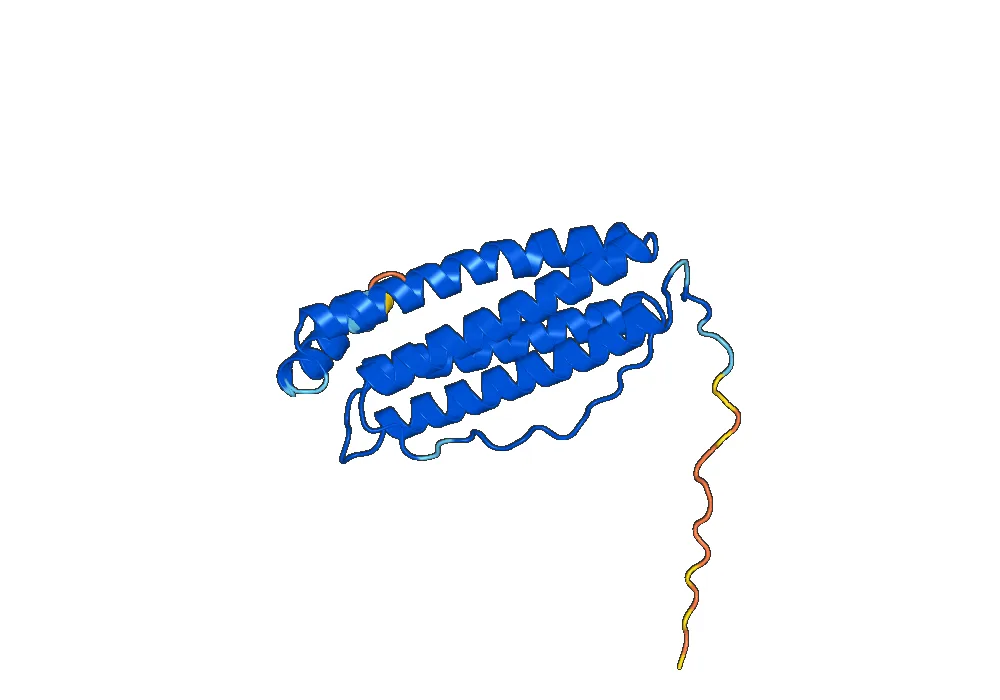
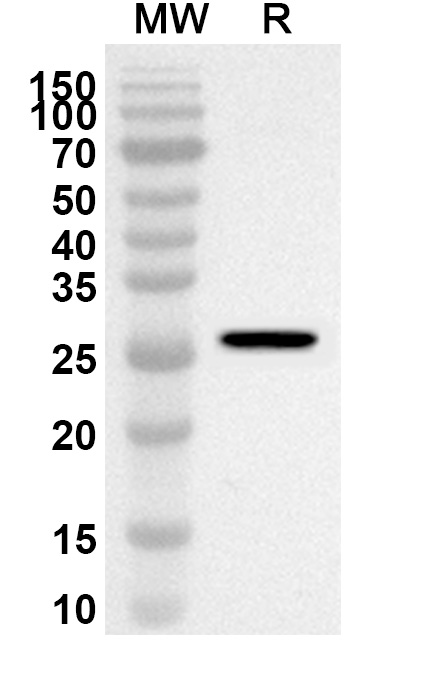
Recombinant Human FTMT is a 62 kDa protein that consists of 585 amino acids. It is a transmembrane protein with six transmembrane domains, a large extracellular loop, and a short cytoplasmic tail. The N-terminus of the protein is located in the cytoplasm, while the C-terminus is located in the mitochondrial matrix.
The structure of FTMT is highly conserved among different species, with over 90% similarity between human and mouse sequences. This highlights the importance of this protein in iron metabolism and its evolutionary significance.
Activity of Recombinant Human FTMT
FTMT is a ferroportin, which means it is responsible for transporting iron out of the cell. It is specifically involved in the transport of iron from the mitochondria to the cytoplasm. This process is essential for maintaining iron homeostasis in the cell.
FTMT works in conjunction with other proteins, such as ferroportin 1 (FPN1) and ferroportin 2 (FPN2), to regulate the levels of iron in the cell. It is also regulated by hepcidin, a hormone that controls iron absorption and distribution in the body.
Mutations in the SLC40A1 gene, which encodes FTMT, have been linked to various disorders, including hemochromatosis, a condition characterized by excessive iron accumulation in the body. This further emphasizes the critical role of FTMT in iron metabolism.
Application of Recombinant Human FTMT
Recombinant Human FTMT has various applications in both research and clinical settings. One of the main uses of this protein is in the study of iron metabolism and its related disorders. Researchers can use recombinant FTMT to investigate the function of this protein and its role in iron transport.
In the clinical setting, recombinant FTMT can be used as an antigen to develop diagnostic tests for iron-related disorders. It can also be used as a therapeutic target for the treatment of these disorders. For example, targeting FTMT with specific inhibitors may help regulate iron levels in patients with hemochromatosis.
Moreover, recombinant FTMT can also be used in the production of antibodies for research and diagnostic purposes. These antibodies can be used to detect the presence of FTMT in different tissues and to study its expression patterns.
Conclusion
Recombinant Human FTMT is a transmembrane protein that plays a crucial role in iron metabolism. It is involved in the transport of iron from the mitochondria to the cytoplasm and is regulated by various factors. Mutations in the gene encoding FTMT can lead to iron-related disorders, highlighting the importance of this protein in maintaining iron homeostasis.
Recombinant FTMT has various applications in research and clinical settings, including the study of iron metabolism and the development of diagnostic tests and therapeutic targets for iron-related disorders. Further research on this protein may lead to a better understanding of its function and potential therapeutic interventions.
There are no reviews yet.