Introduction
Recombinant Human GDA, also known as Glutamate Decarboxylase 1 (GAD1), is a protein that plays a crucial role in the central nervous system by catalyzing the conversion of glutamate to gamma-aminobutyric acid (GABA). GABA is an inhibitory neurotransmitter that helps regulate neuronal activity and has been linked to various neurological disorders. Recombinant Human GDA is a genetically engineered form of the native human GDA protein, produced using recombinant DNA technology. In this article, we will explore the structure, activity, and applications of this important protein.
Structure of Recombinant Human GDA
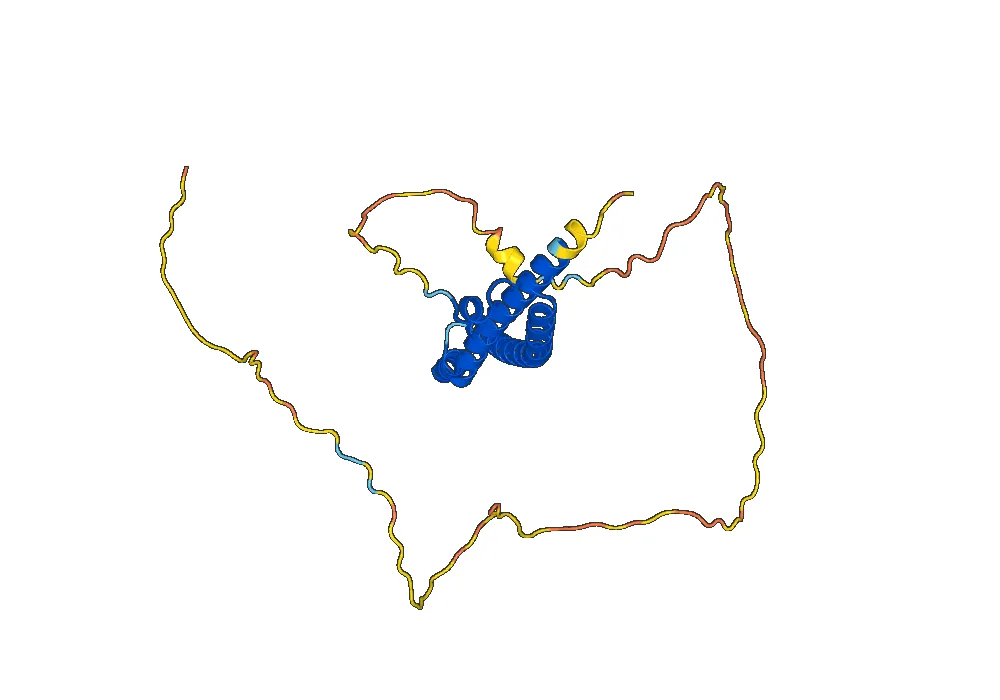
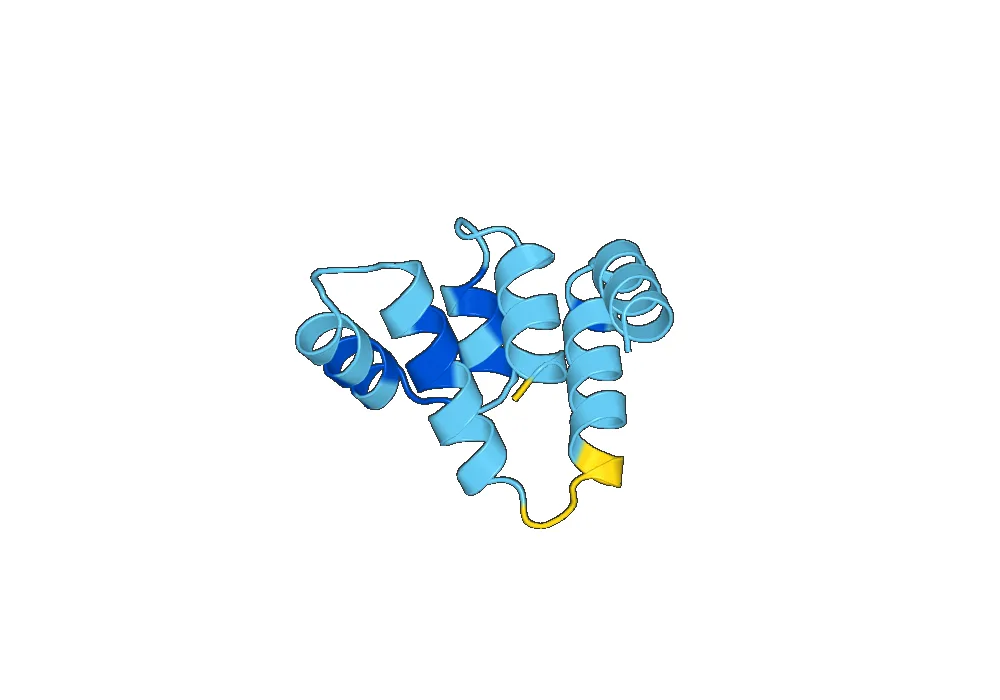
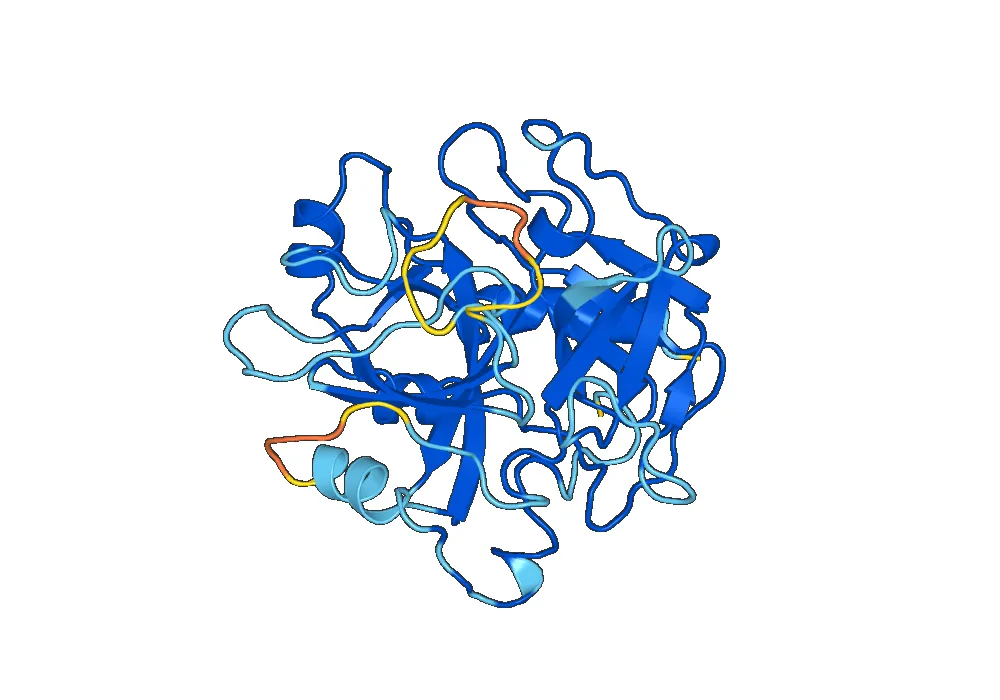
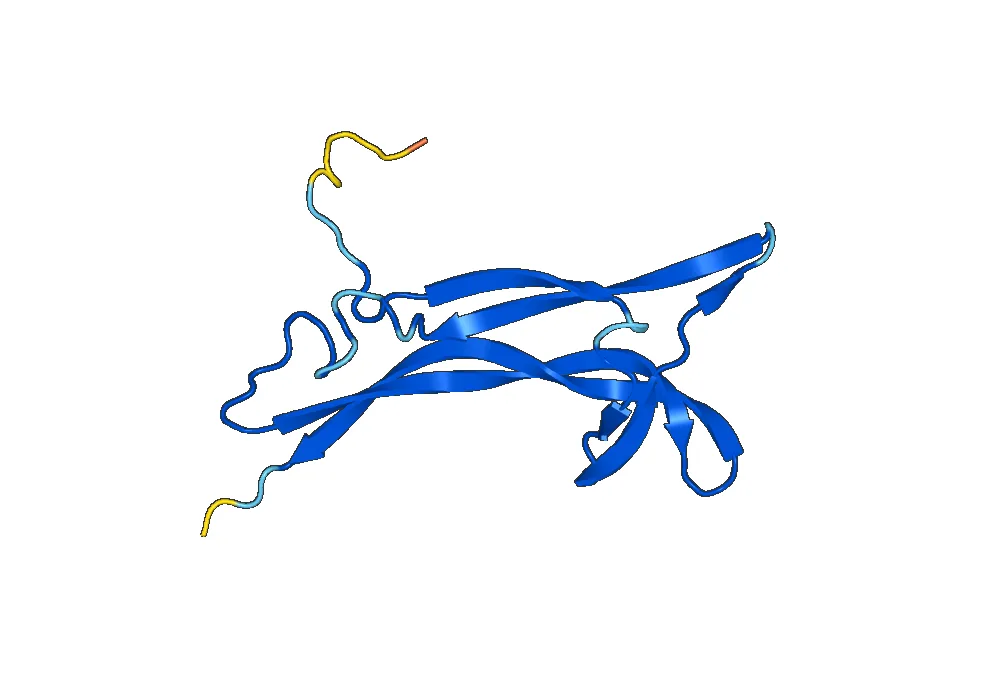
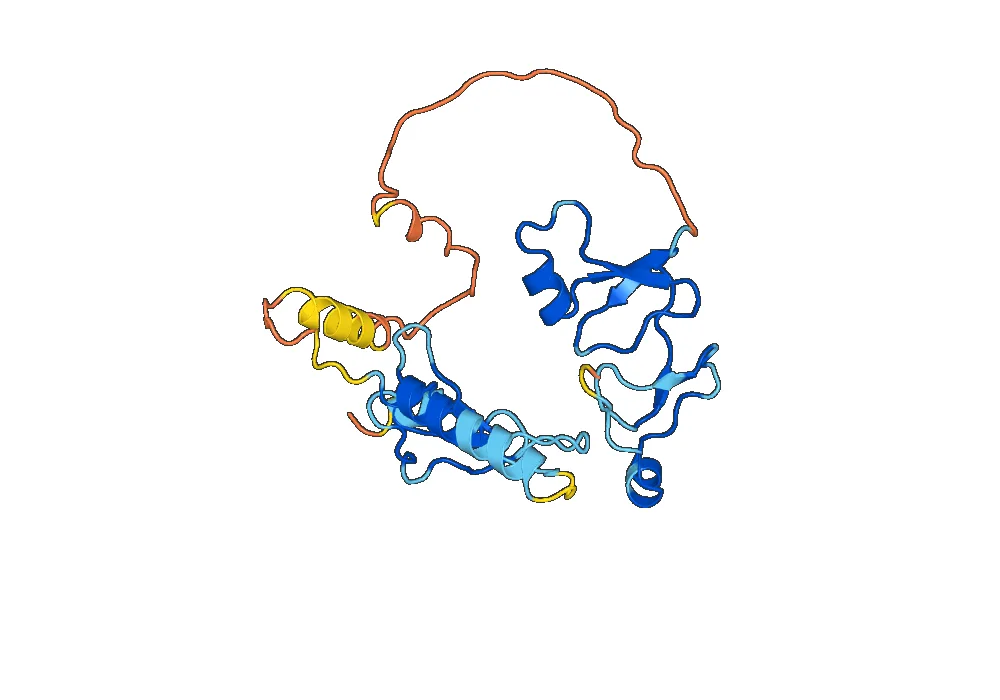
Recombinant Human GDA is a 67 kDa protein that consists of 585 amino acids. It is encoded by the GAD1 gene located on chromosome 2 in humans. The protein contains a pyridoxal 5′-phosphate (PLP) binding domain, which is essential for its enzymatic activity. The PLP binding domain is highly conserved among all forms of GDA, indicating its importance in the functioning of the protein.
The structure of Recombinant Human GDA has been extensively studied using X-ray crystallography. It has been found that the protein exists as a dimer, with each monomer containing an active site for PLP binding. The dimerization of GDA is crucial for its enzymatic activity, as it allows for the formation of a stable active site that can efficiently convert glutamate to GABA.
Activity of Recombinant Human GDA
The primary function of Recombinant Human GDA is to catalyze the decarboxylation of glutamate to produce GABA. This reaction is essential for maintaining the balance between excitatory and inhibitory neurotransmitters in the brain. GABA acts as an inhibitory neurotransmitter by binding to GABA receptors on neurons, thus reducing their activity. This helps regulate the overall excitability of the brain and is crucial for proper brain function.
In addition to its role in the central nervous system, Recombinant Human GDA has also been found to have antioxidant properties. It has been shown to scavenge free radicals and protect cells from oxidative stress. This suggests that Recombinant Human GDA may have potential therapeutic applications in conditions associated with oxidative damage, such as neurodegenerative diseases.
Applications of Recombinant Human GDA
Recombinant Human GDA has a wide range of applications in both research and clinical settings. One of its primary uses is in the production of GABA for research purposes. Recombinant Human GDA can be used to produce large quantities of GABA, which is essential for studying its role in various biological processes.
In the clinical setting, Recombinant Human GDA has been investigated as a potential treatment for neurological disorders such as epilepsy and Parkinson’s disease. By increasing GABA levels in the brain, Recombinant Human GDA may help reduce seizure activity and improve motor symptoms in these conditions. However, further research is needed to fully understand the potential therapeutic benefits of this protein.
Recombinant Human GDA has also been studied for its potential role in cancer therapy. GABA has been shown to inhibit the growth of certain types of cancer cells, and Recombinant Human GDA may be used to produce GABA in targeted cancer treatments.
Conclusion
In summary, Recombinant Human GDA is a crucial protein involved in the production of GABA, an inhibitory neurotransmitter that plays a vital role in brain function. Its structure, activity, and potential applications have been extensively studied, and it has shown promise as a therapeutic agent in various neurological disorders and cancer. Further research on this protein may lead to the development of novel treatments for these conditions.

There are no reviews yet.