Introduction to Recombinant Human FOXP1
Recombinant Human FOXP1 is a protein that plays a crucial role in the development and function of various tissues and organs in the human body. It belongs to the family of forkhead box (FOX) transcription factors, which are known to regulate gene expression and control cellular processes such as cell growth, differentiation, and survival. FOXP1 is highly conserved among different species, indicating its essential role in biological processes.
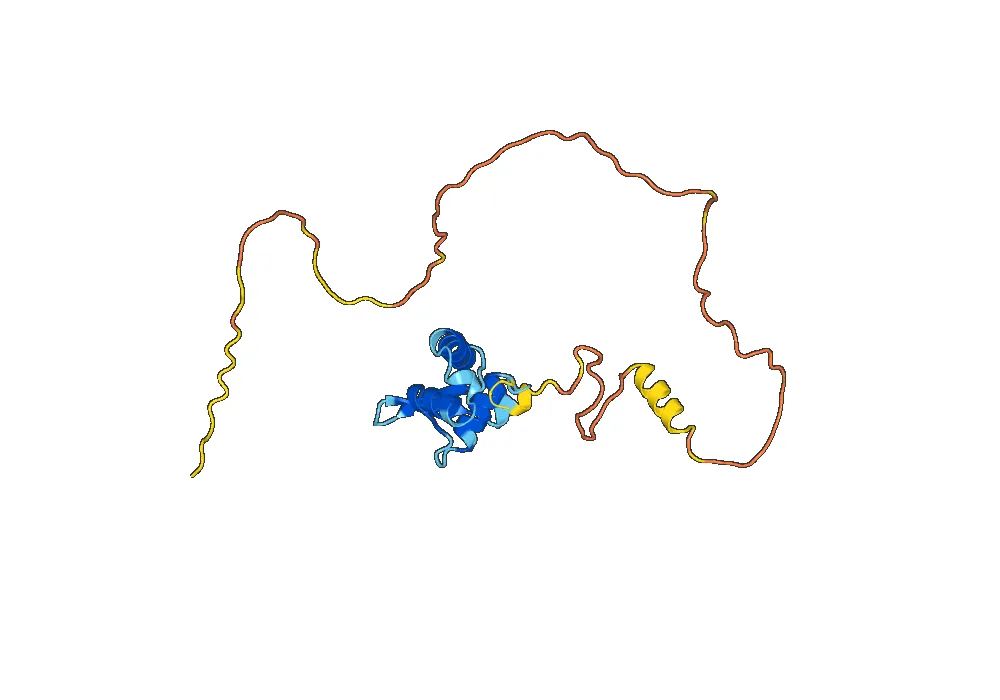
Structure of Recombinant Human FOXP1
The human FOXP1 gene is located on chromosome 3p13 and consists of 21 exons. The full-length protein is composed of 677 amino acids and has a molecular weight of approximately 75 kDa. FOXP1 contains a DNA-binding domain, a transcriptional repression domain, and a protein-protein interaction domain. These domains allow FOXP1 to bind to specific DNA sequences and regulate gene expression by interacting with other proteins.
Recombinant Human FOXP1 is produced through genetic engineering techniques, where the human FOXP1 gene is inserted into a suitable expression vector and then expressed in a host organism such as E. coli or mammalian cells. This allows for the production of large quantities of pure and functional FOXP1 protein for various research and therapeutic applications.
Activity of Recombinant Human FOXP1
FOXP1 is mainly expressed in the brain, heart, lung, and immune cells, and has been found to play a crucial role in the development and function of these tissues. It acts as a transcription factor by binding to specific DNA sequences and regulating the expression of target genes. FOXP1 has been shown to regulate the development of the central nervous system, heart, and lungs, as well as the differentiation and function of immune cells.
Moreover, FOXP1 has been linked to several diseases, including cancer. It has been found to act as a tumor suppressor in some cancers, while in others, it promotes tumor growth and metastasis. Studies have also shown that mutations in the FOXP1 gene are associated with neurodevelopmental disorders and autoimmune diseases.
Applications of Recombinant Human FOXP1
Recombinant Human FOXP1 has a wide range of applications in both research and therapeutic settings. Its ability to regulate gene expression makes it a valuable tool for studying the development and function of various tissues and organs. It can also be used to investigate the role of FOXP1 in different diseases, including cancer, neurodevelopmental disorders, and autoimmune diseases.
Furthermore, FOXP1 has potential therapeutic applications. As a tumor suppressor, it can be used in cancer therapy to inhibit tumor growth and metastasis. On the other hand, as a promoter of tumor growth, it can be targeted for cancer treatment by inhibiting its activity. FOXP1 has also been found to regulate immune responses, making it a potential target for the treatment of autoimmune diseases.
In addition, recombinant FOXP1 protein can be used as an antigen in the production of antibodies for research and diagnostic purposes. Antibodies against FOXP1 can be used to study its expression and localization in different tissues and diseases, as well as to develop diagnostic tests for FOXP1-related disorders.
Conclusion
In summary, Recombinant Human FOXP1 is a crucial protein involved in the development and function of various tissues and organs. Its structure, activity, and potential applications make it a valuable tool for research and a potential target for therapeutic interventions. Further studies on FOXP1 will provide a better understanding of its role in health and disease, leading to the development of novel treatments for various disorders.

There are no reviews yet.