Introduction
Recombinant human FOXA3 protein (rhFOXA3) is a highly purified and biologically active protein that is produced through recombinant DNA technology. This protein belongs to the forkhead box (FOX) family of transcription factors, which play crucial roles in regulating gene expression and cellular differentiation. rhFOXA3 has been extensively studied and has shown great potential in various biomedical applications.
Structure of rhFOXA3
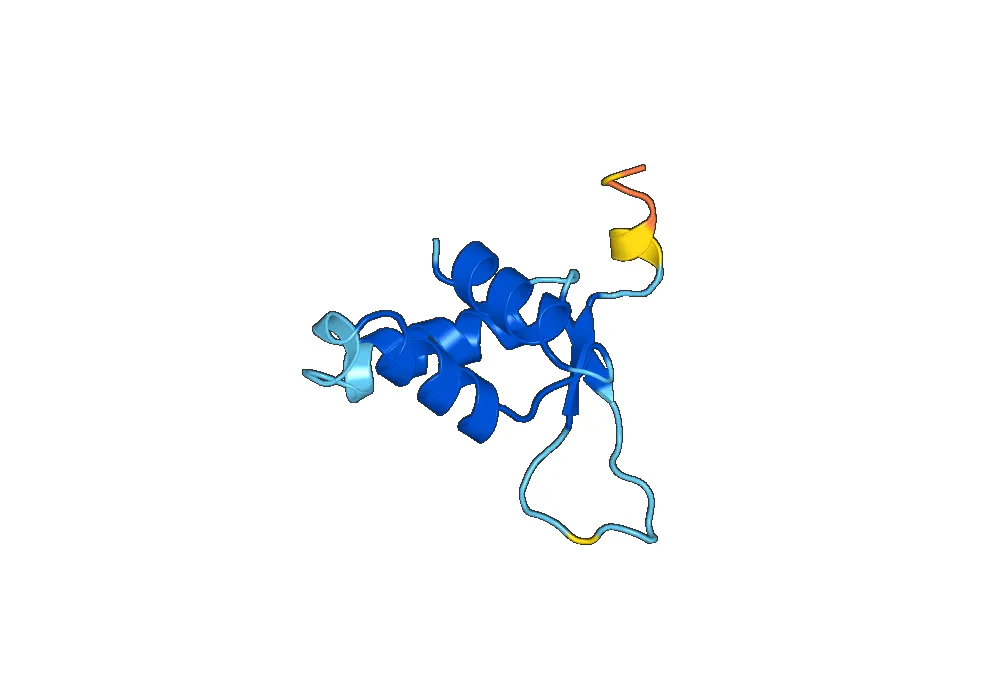
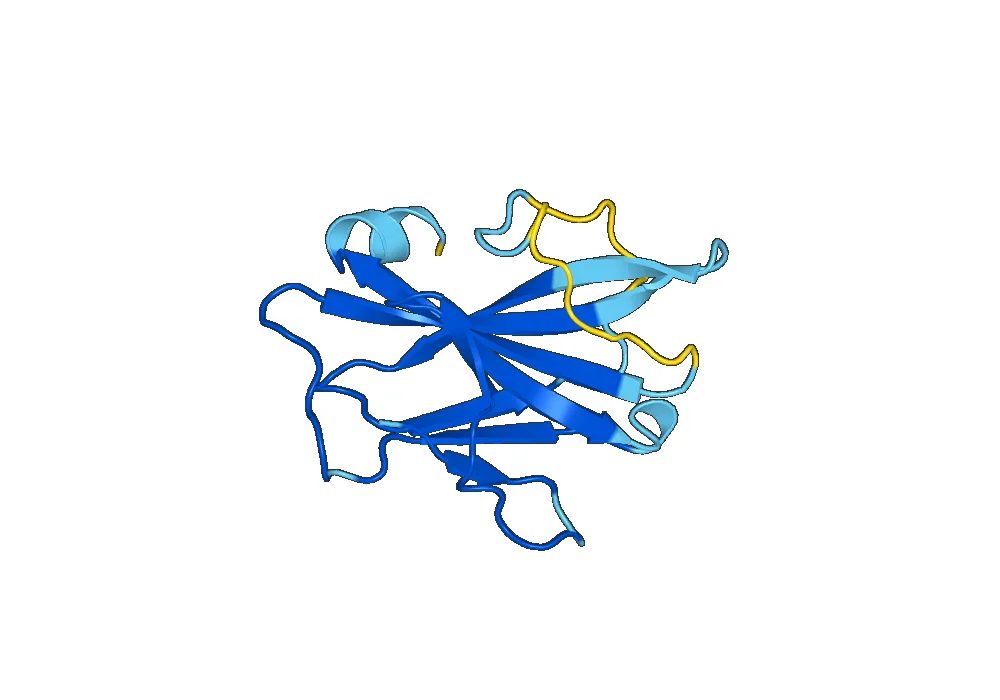
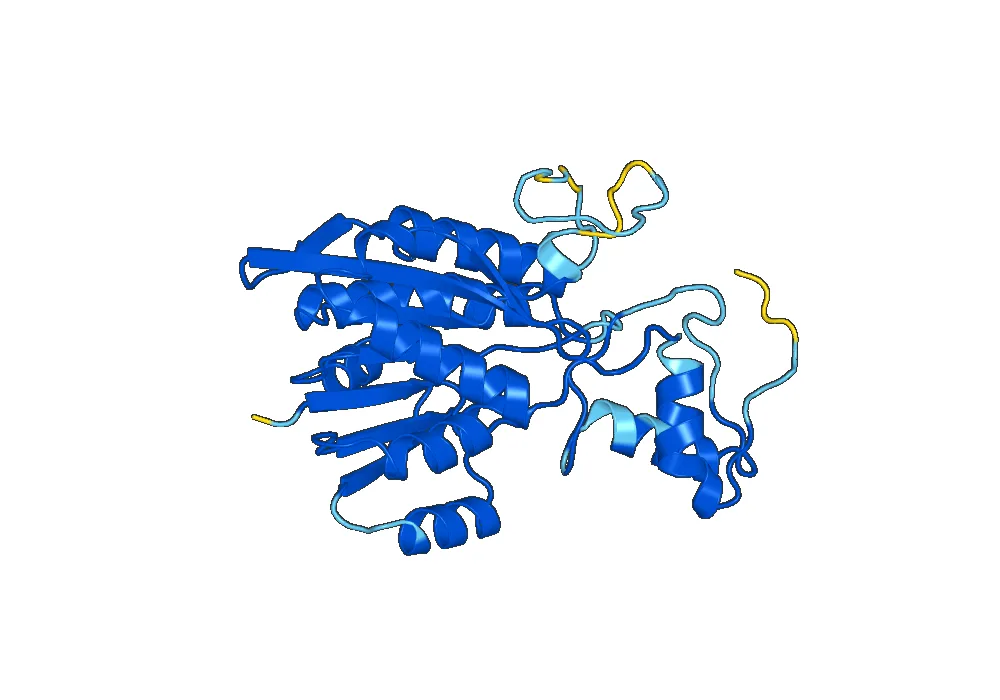
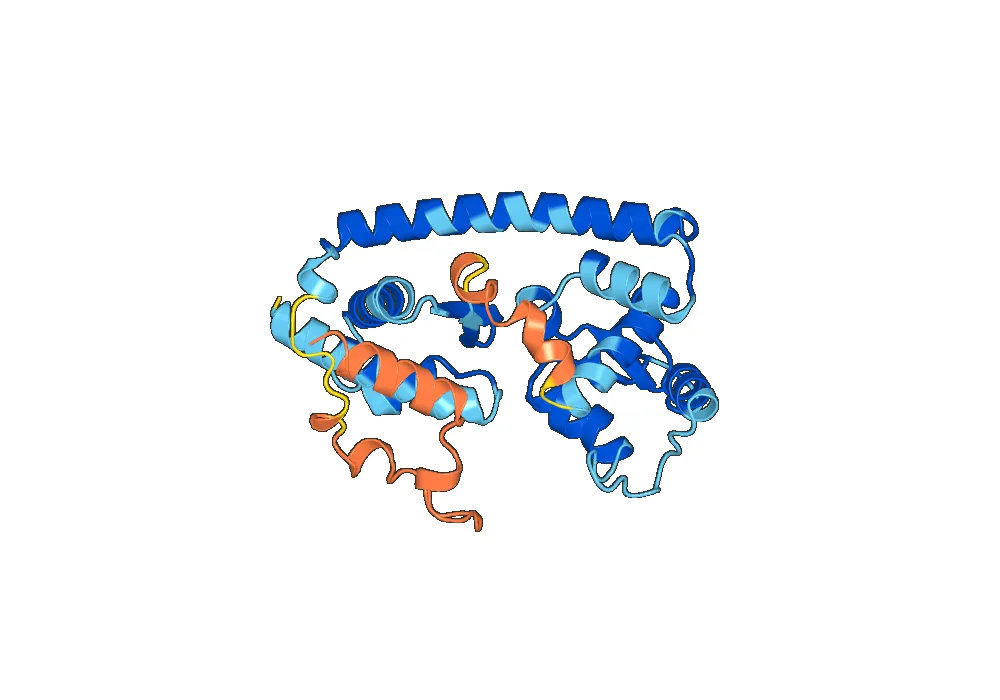
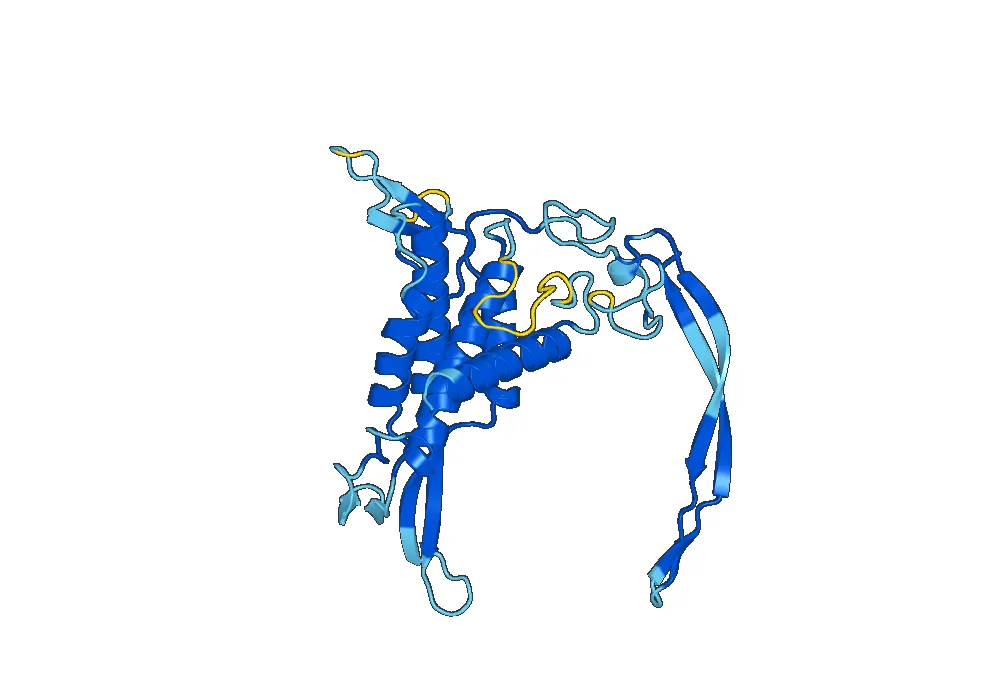
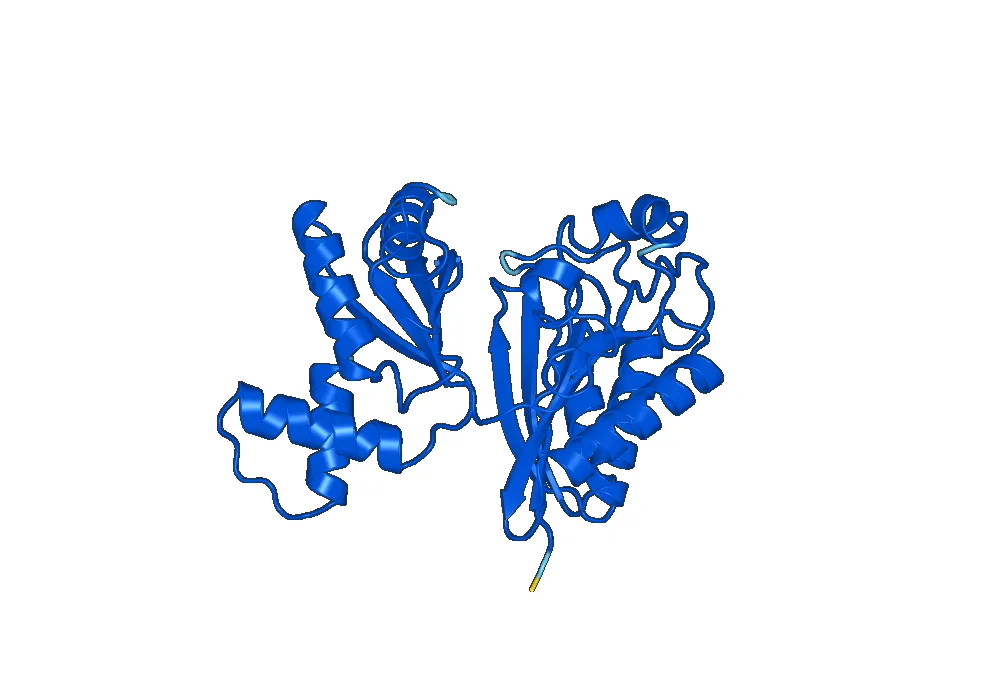
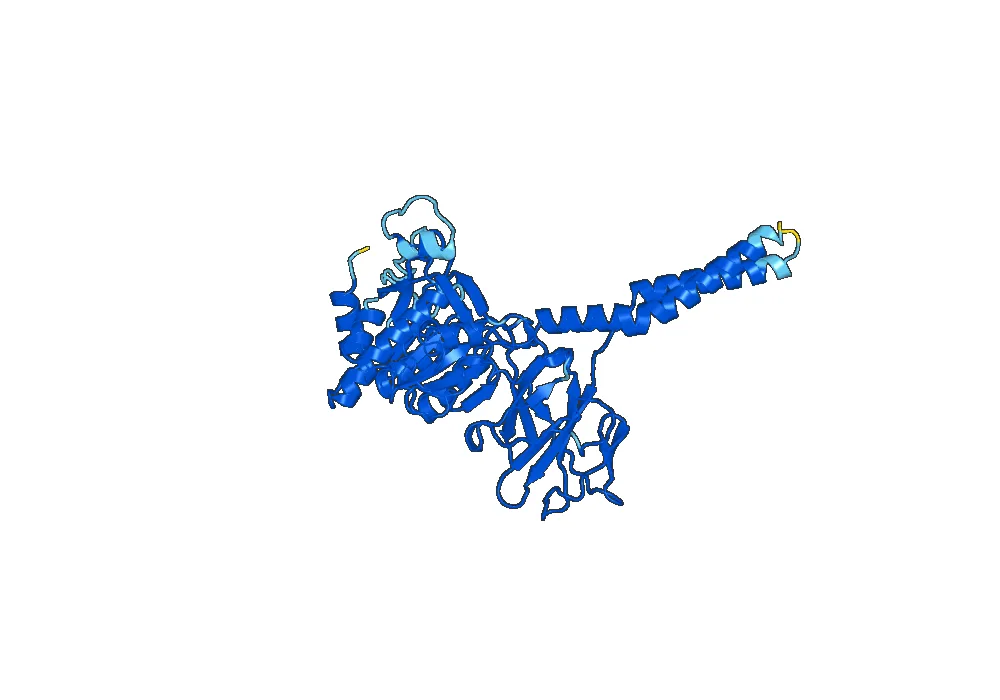
rhFOXA3 is a 341 amino acid protein with a molecular weight of approximately 37 kDa. It contains a highly conserved DNA-binding domain, known as the forkhead domain, which is responsible for its transcription factor activity. This domain is composed of three α-helices and two β-sheets, and is essential for binding to specific DNA sequences. In addition, rhFOXA3 also has a transactivation domain, which is responsible for activating gene expression.
Activity of rhFOXA3
rhFOXA3 is a key regulator of gene expression in various biological processes, including embryonic development, metabolism, and immune response. It binds to specific DNA sequences, known as FOXA3 binding sites, and acts as a transcription factor to either activate or repress gene expression. In addition, rhFOXA3 has been shown to interact with other transcription factors and co-regulators, further modulating its activity.
One of the most important functions of rhFOXA3 is its role in embryonic development. It is essential for the formation of the endoderm, which gives rise to various organs such as the liver, pancreas, and lungs. Studies have also shown that rhFOXA3 is involved in regulating glucose and lipid metabolism, making it a potential target for treating metabolic disorders such as diabetes and obesity.
Furthermore, rhFOXA3 has been shown to play a crucial role in immune response. It has been found to regulate the expression of genes involved in inflammation and immune cell differentiation. In addition, rhFOXA3 has been linked to various diseases, such as asthma, inflammatory bowel disease, and cancer, highlighting its importance in immune-related disorders.
Application of rhFOXA3
Given its diverse functions and potential therapeutic applications, rhFOXA3 has been extensively studied and has shown promising results in various biomedical fields. One of the main applications of rhFOXA3 is in regenerative medicine. Its role in embryonic development and tissue differentiation makes it a potential candidate for promoting tissue repair and regeneration. Studies have shown that rhFOXA3 can stimulate the differentiation of stem cells into endoderm-like cells, which can then be further differentiated into specific cell types.
In addition, rhFOXA3 has been used in drug discovery and development. Its involvement in various diseases, such as diabetes and cancer, makes it a potential target for developing new treatments. Researchers have used rhFOXA3 as a tool to identify potential drug candidates and to study their effects on gene expression and cellular processes.
Another potential application of rhFOXA3 is in diagnostics. As a transcription factor, rhFOXA3 can regulate the expression of specific genes, making it a potential biomarker for certain diseases. Studies have shown that changes in rhFOXA3 expression levels are associated with various diseases, such as liver cancer and asthma, making it a potential diagnostic marker.
Conclusion
In summary, rhFOXA3 is a highly purified and biologically active protein that plays crucial roles in regulating gene expression and cellular differentiation. Its structure, activity, and potential applications make it a valuable tool in various biomedical fields. Further research on rhFOXA3 and its interactions with other molecules may lead to new insights and potential therapeutic interventions for various diseases.


There are no reviews yet.