Introduction
Recombinant Human HIKESHI Protein, also known as Heat shock protein beta-1 (HSPB1), is a small molecular weight protein that plays a crucial role in cellular stress response and protein folding. It is a chaperone protein that helps in the proper folding of other proteins and prevents their aggregation, thereby maintaining cellular homeostasis. In this article, we will discuss the structure, activity, and applications of Recombinant Human HIKESHI Protein.
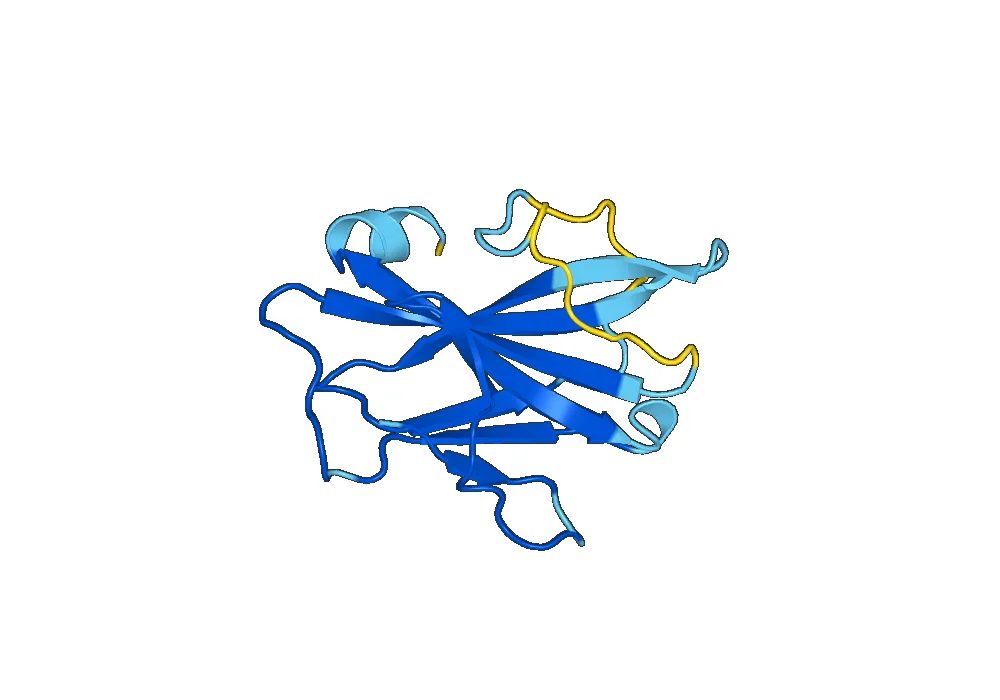
Structure of Recombinant Human HIKESHI Protein
Recombinant Human HIKESHI Protein is a 205 amino acid long protein with a molecular weight of 22.7 kDa. It belongs to the small heat shock protein family and is composed of alpha-crystallin domain and a C-terminal extension. The alpha-crystallin domain is responsible for the chaperone activity of HSPB1, while the C-terminal extension is involved in protein-protein interactions. It also contains two conserved cysteine residues, which are important for its anti-oxidant activity.
Activity of Recombinant Human HIKESHI Protein
Recombinant Human HIKESHI Protein is a multifunctional protein with diverse activities. Its main function is to act as a molecular chaperone, which helps in the proper folding of other proteins and prevents their aggregation. It does so by binding to partially unfolded or misfolded proteins and stabilizing them until they can be refolded by other chaperones or proteases. This activity of HSPB1 is crucial for maintaining cellular homeostasis and preventing protein misfolding diseases.
In addition to its chaperone activity, Recombinant Human HIKESHI Protein also has anti-apoptotic and anti-oxidant properties. It can protect cells from stress-induced apoptosis by inhibiting the activation of caspases, which are enzymes that initiate the cell death process. It also acts as a scavenger of reactive oxygen species (ROS) and protects cells from oxidative stress. These activities make HSPB1 an important protein in cellular stress response.
Applications of Recombinant Human HIKESHI Protein
Recombinant Human HIKESHI Protein has a wide range of applications in both research and therapeutic fields. Its chaperone activity makes it a valuable tool for studying protein folding and aggregation in various diseases, such as Alzheimer’s, Parkinson’s, and Huntington’s disease. It has also been shown to play a role in cancer progression and metastasis, making it a potential target for cancer therapy.
Due to its anti-apoptotic and anti-oxidant properties, Recombinant Human HIKESHI Protein has been investigated as a potential therapeutic agent for neurodegenerative diseases and ischemic injuries. It has been shown to protect cells from oxidative stress and promote cell survival in animal models of these diseases. Clinical trials are currently underway to evaluate its efficacy in treating these conditions.
Moreover, Recombinant Human HIKESHI Protein has been used as an antigen in vaccine development. It has been shown to induce a strong immune response and can be used as a carrier protein to deliver antigens of interest. This makes it a promising candidate for the development of vaccines against infectious diseases.
Conclusion
Recombinant Human HIKESHI Protein is a small molecular weight protein with diverse activities. Its structure, activity, and applications make it a valuable protein in both research and therapeutic fields. Its chaperone activity, anti-apoptotic and anti-oxidant properties, and potential as an antigen make it a promising candidate for the development of therapies for various diseases. Further research on this protein will help in understanding its role in different cellular processes and its potential as a therapeutic target.


There are no reviews yet.