Introduction to Recombinant Human FCN1 Protein
Recombinant Human FCN1 Protein, also known as Ficolin-1, is a type of recombinant protein that plays a crucial role in the immune system. It is a member of the ficolin family, which are soluble pattern recognition receptors (PRRs) that are involved in the innate immune response. FCN1 is primarily produced by the liver and is found in the blood and other body fluids. In this article, we will explore the structure, activity, and applications of Recombinant Human FCN1 Protein.
Structure of Recombinant Human FCN1 Protein
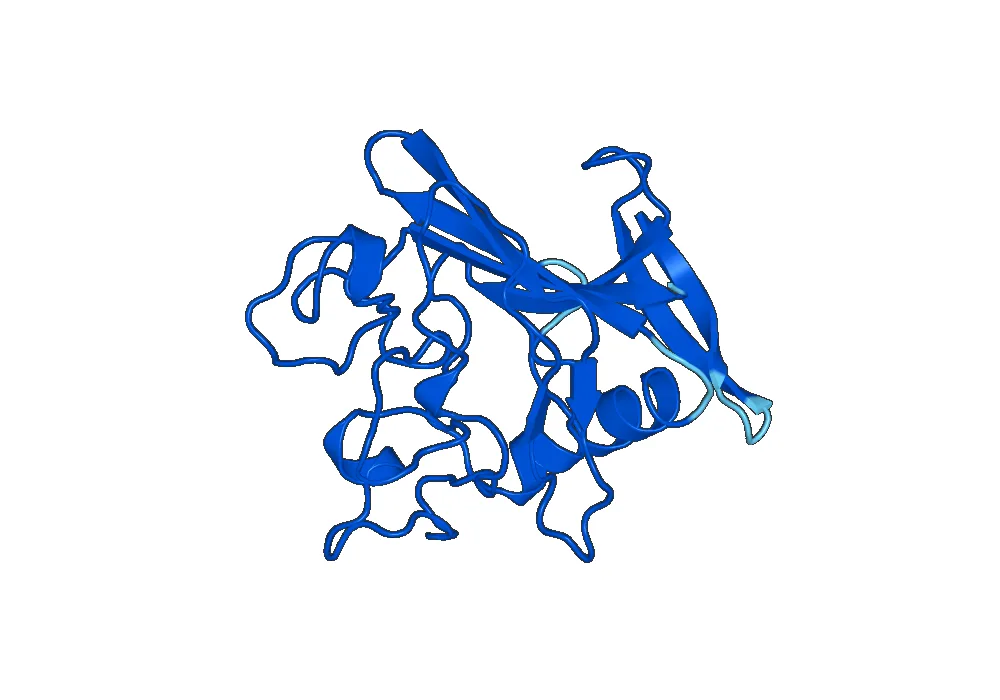
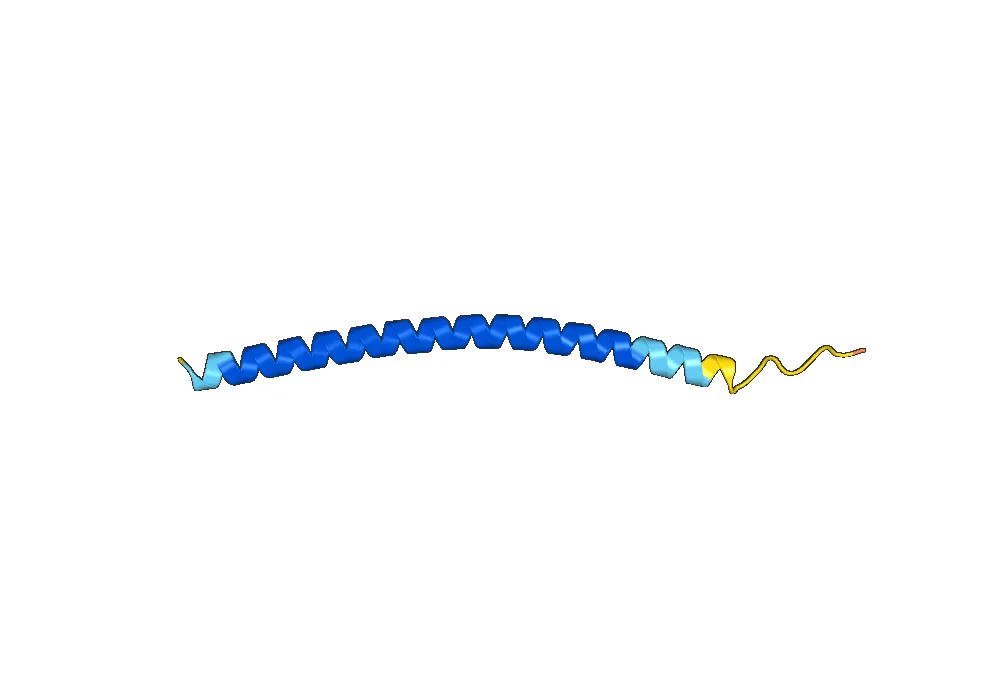
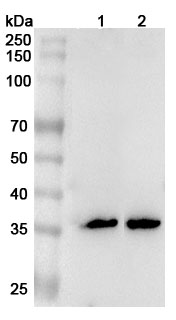
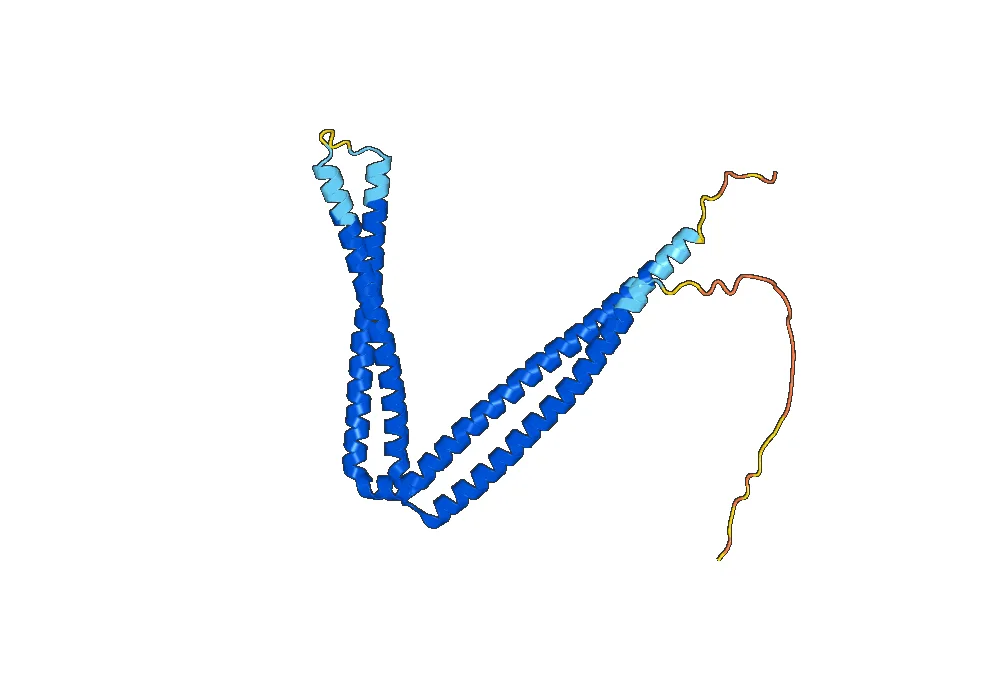
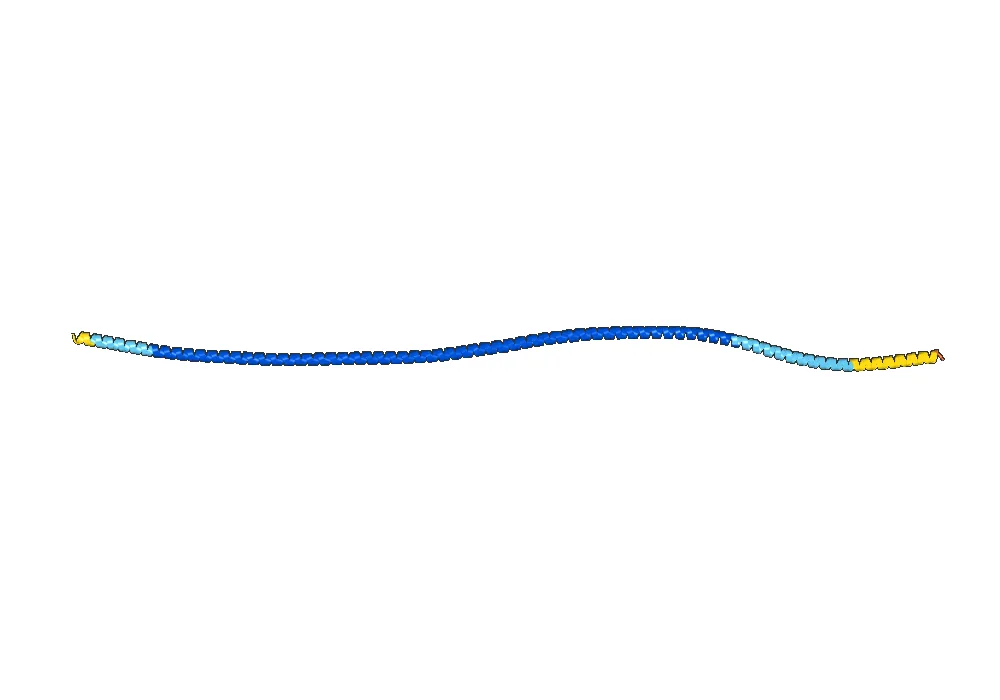
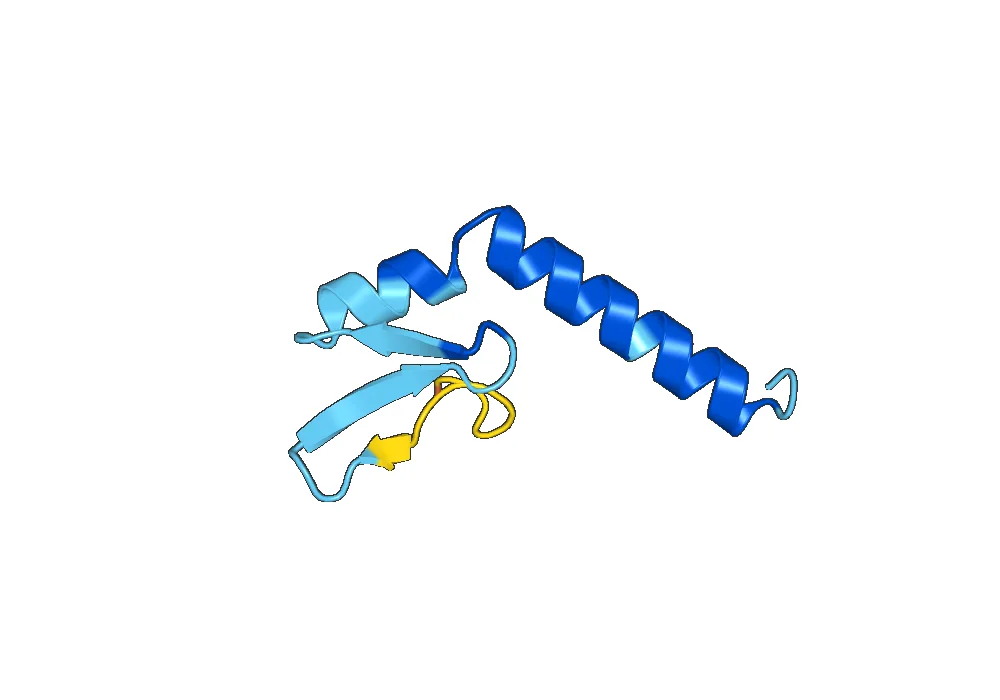
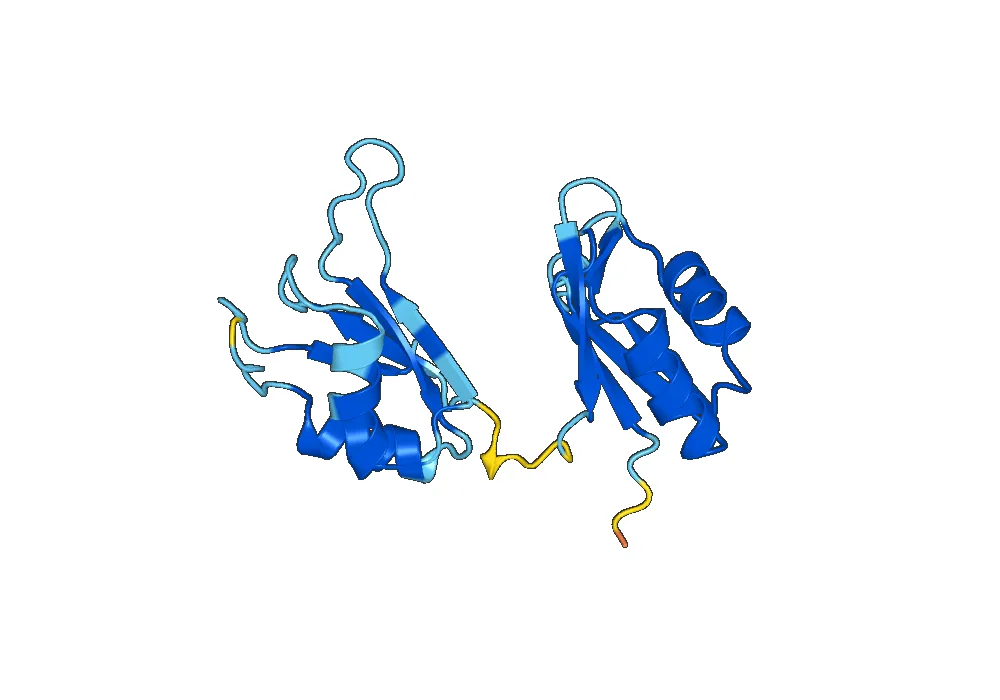
The human FCN1 gene is located on chromosome 9 and is composed of 10 exons. The protein is made up of 313 amino acids and has a molecular weight of approximately 35 kDa. It is composed of a leader peptide, a collagen-like domain, and a fibrinogen-like domain. The collagen-like domain contains a triple-helical structure, which is essential for the protein’s binding activity. The fibrinogen-like domain is responsible for recognizing and binding to specific target molecules, known as antigens.
Activity of Recombinant Human FCN1 Protein
Recombinant Human FCN1 Protein is a potent activator of the complement system, which is a vital part of the immune system. The complement system is a cascade of proteins that work together to eliminate pathogens and damaged cells. FCN1 can directly bind to microbial surfaces and activate the complement system, leading to the formation of a membrane attack complex that destroys the target cell. It can also act as an opsonin, which is a molecule that enhances the phagocytosis of pathogens by immune cells.
In addition to its role in the complement system, FCN1 also has the ability to bind to various other molecules, including carbohydrates, lipids, and nucleic acids. This broad binding specificity allows it to recognize a wide range of antigens, making it an essential component of the innate immune response.
Applications of Recombinant Human FCN1 Protein
Recombinant Human FCN1 Protein has various applications in both research and clinical settings. Its ability to activate the complement system and enhance phagocytosis makes it a valuable tool for studying the innate immune response to different pathogens. It has also been used in studies investigating the role of FCN1 in autoimmune diseases, such as systemic lupus erythematosus and rheumatoid arthritis.
In the clinical setting, FCN1 has potential as a diagnostic marker for certain diseases. For example, low levels of FCN1 have been associated with an increased risk of infections, making it a potential biomarker for monitoring immune function. Additionally, FCN1 has been studied as a potential therapeutic target for various diseases, including cancer and inflammatory disorders. Its ability to activate the complement system and enhance phagocytosis could be harnessed to develop novel treatments for these conditions.
Conclusion
In summary, Recombinant Human FCN1 Protein is a crucial component of the innate immune response. Its unique structure and broad binding specificity allow it to recognize a wide range of antigens and activate the complement system to eliminate pathogens. It has various applications in research and potential clinical uses, making it an essential protein in the field of immunology.
Keywords: Recombinant protein, antigen, FCN1, ficolin-1, innate immune response, complement system, opsonin, biomarker, therapeutic target.


There are no reviews yet.