Recombinant Human EXOC3 Protein: Structure, Activity, and Applications
Introduction
Recombinant proteins, also known as genetically engineered proteins, are proteins that are produced through the use of recombinant DNA technology. These proteins are created by inserting a specific gene into a host organism, such as bacteria or yeast, which then produces the desired protein. One such recombinant protein is Recombinant Human EXOC3 Protein, which has gained attention in the scientific community for its unique structure, activity, and potential applications.
Structure
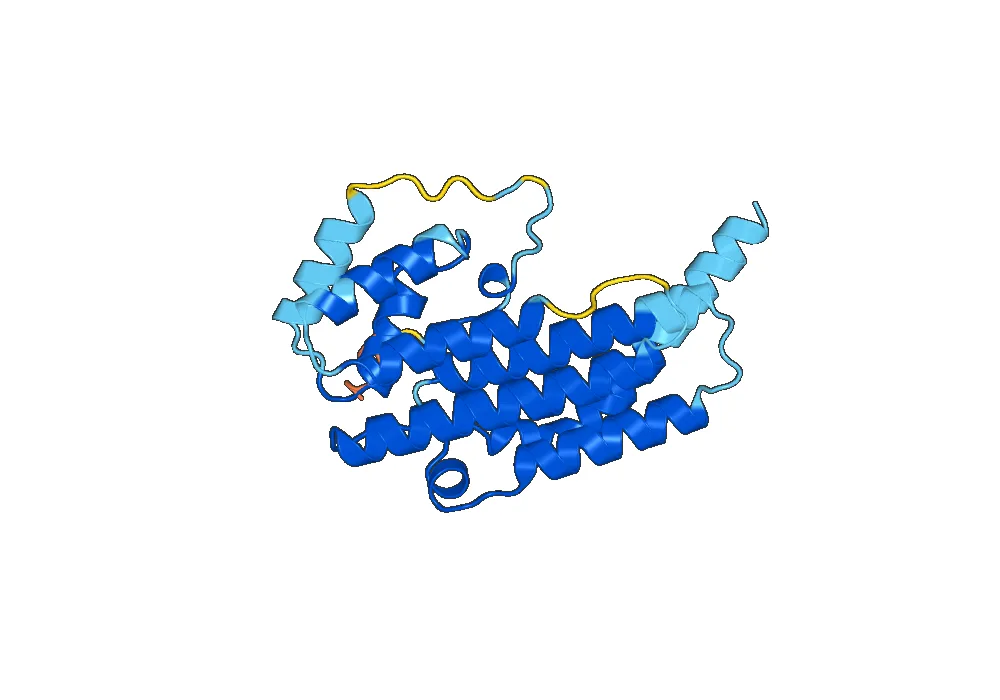
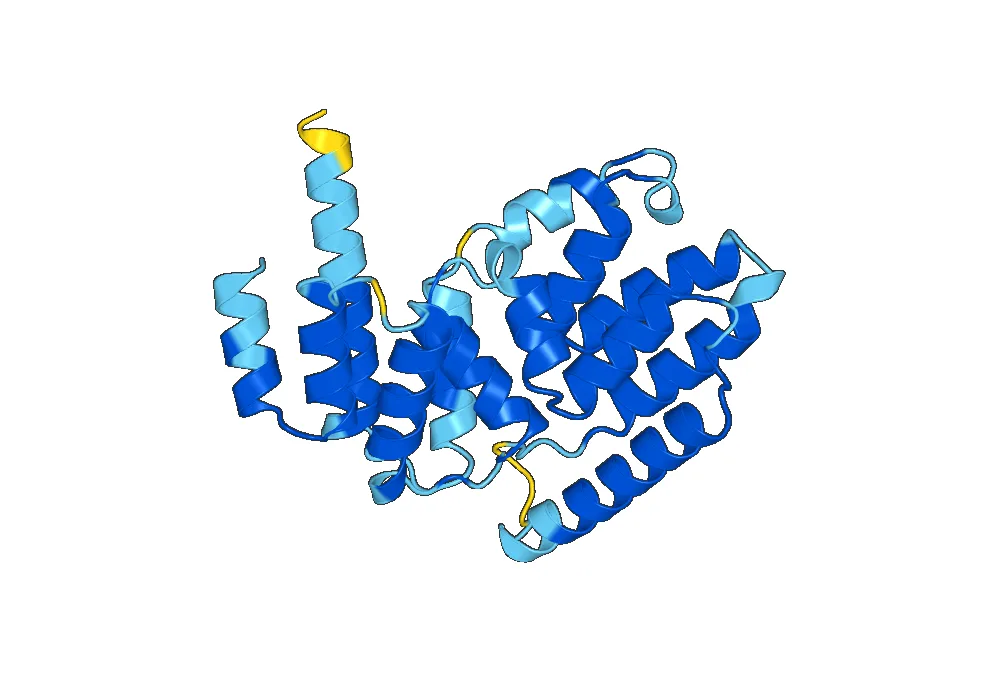
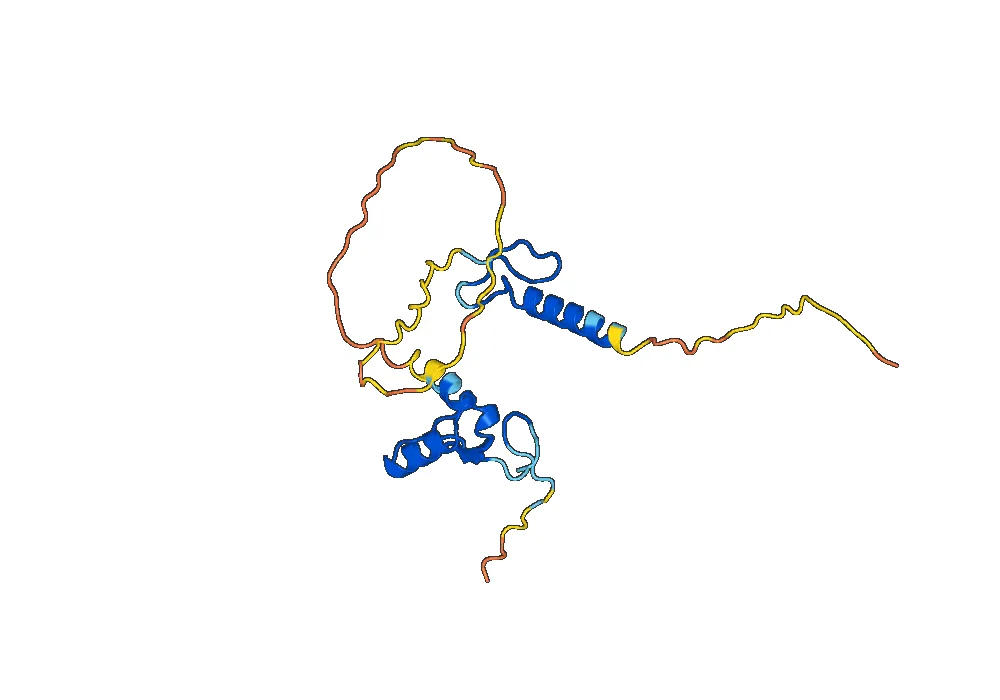
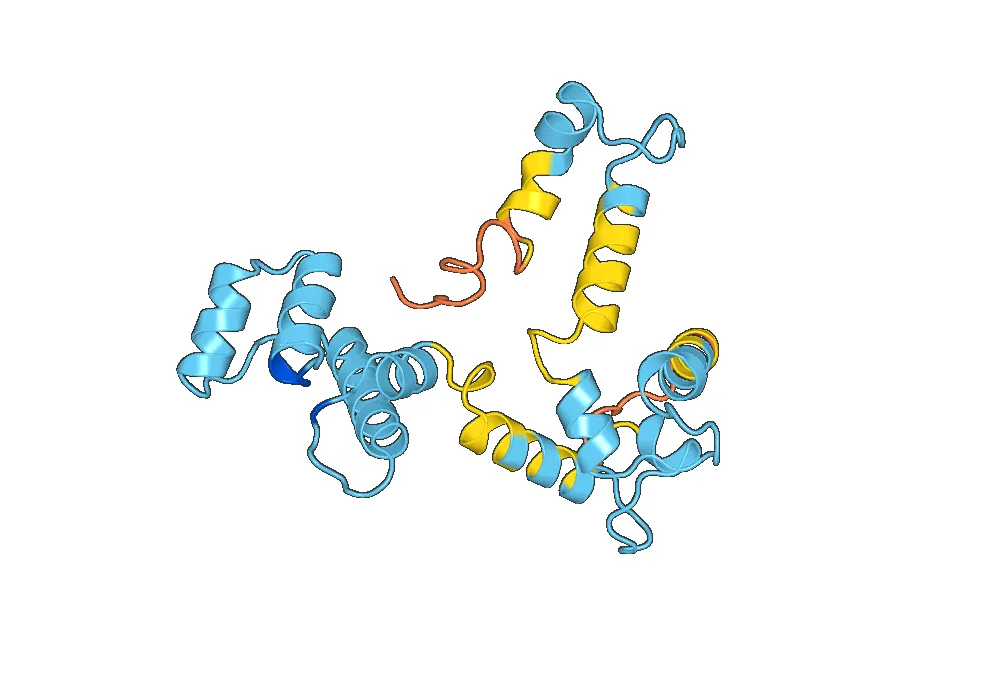
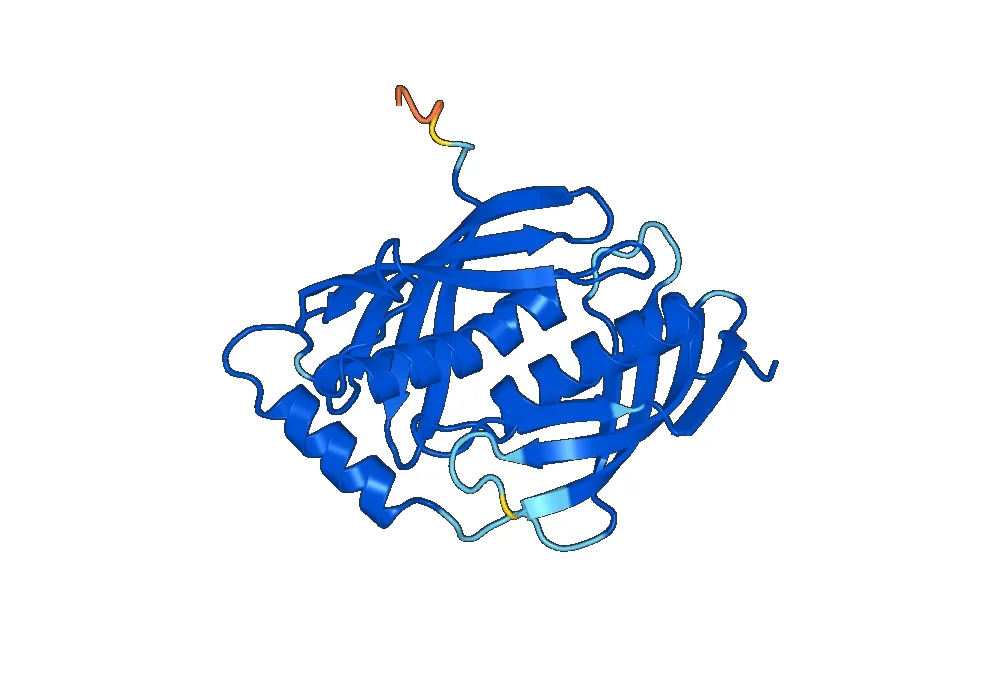
Recombinant Human EXOC3 Protein is a 64 kDa protein that is composed of 570 amino acids. It is a subunit of the exocyst complex, which is involved in the regulation of vesicle trafficking and fusion in eukaryotic cells. The protein contains several domains, including a coiled-coil domain, a pleckstrin homology domain, and a Sec6/8 binding domain. These domains play crucial roles in the protein’s function and interaction with other proteins.
Activity
The main function of Recombinant Human EXOC3 Protein is to regulate the targeting and fusion of vesicles to specific membrane compartments within the cell. This process is essential for various cellular functions, including cell growth, division, and secretion. The protein achieves this by interacting with other exocyst complex subunits, as well as other proteins involved in vesicle trafficking. It has also been shown to play a role in the formation of cell-cell junctions and cell polarity.
Applications
Recombinant Human EXOC3 Protein has numerous potential applications in both research and medical fields. One of its most significant applications is in the study of vesicle trafficking and membrane fusion processes. By studying the protein’s structure and activity, researchers can gain a better understanding of these essential cellular processes and potentially develop new treatments for diseases caused by disruptions in these processes.
Moreover, Recombinant Human EXOC3 Protein has been linked to various diseases, including cancer, neurological disorders, and metabolic disorders. As such, it has the potential to be used as a diagnostic marker or therapeutic target for these conditions. Additionally, the protein’s involvement in cell-cell junctions and cell polarity makes it a potential target for the development of drugs that can improve cell adhesion and tissue regeneration.
Another potential application of Recombinant Human EXOC3 Protein is in the production of biopharmaceuticals. The use of recombinant proteins in the production of therapeutic proteins has become increasingly popular due to their high specificity and low immunogenicity. Recombinant Human EXOC3 Protein, with its unique structure and activity, could potentially be used as a fusion partner to improve the production and purification of therapeutic proteins.
Conclusion
In conclusion, Recombinant Human EXOC3 Protein is a unique protein with a crucial role in vesicle trafficking and membrane fusion processes. Its structure and activity make it a valuable tool for studying these processes and potential target for the development of treatments for various diseases. With its potential applications in research, medicine, and biopharmaceutical production, this protein holds great promise for future scientific advancements.


There are no reviews yet.