Introduction
Recombinant proteins have revolutionized the field of biotechnology and have become essential tools in various research and industrial applications. One such protein is the Recombinant Human EHMT2 Protein, which has gained significant attention due to its unique structure and diverse functions. In this article, we will delve into the details of this protein, including its structure, activity, and application.
Structure of Recombinant Human EHMT2 Protein
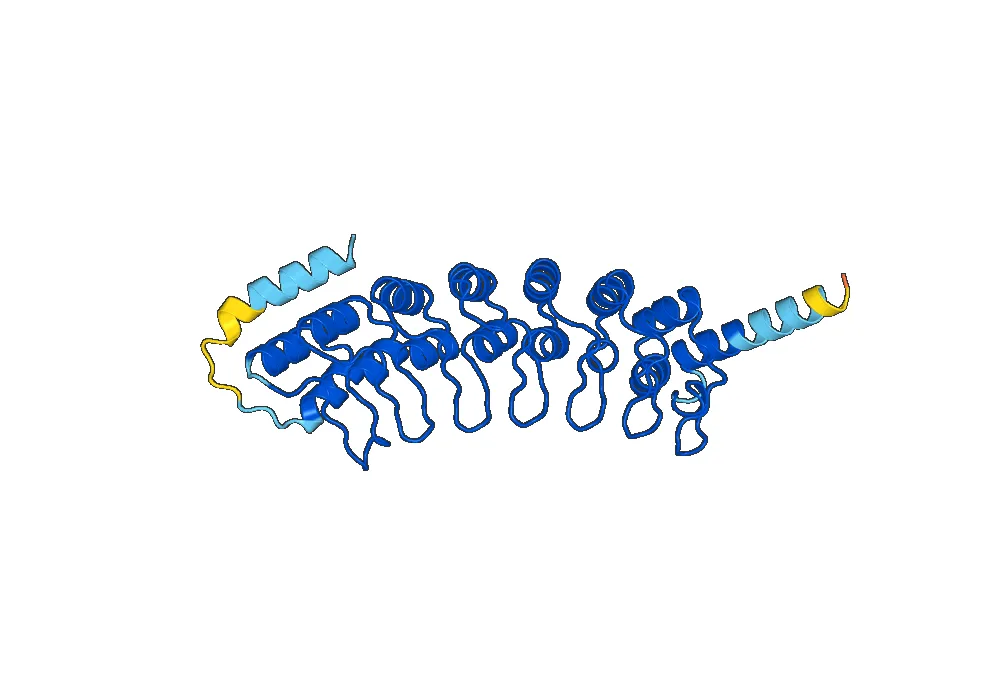
The Recombinant Human EHMT2 Protein, also known as G9a-like protein (GLP), is a histone methyltransferase enzyme that plays a crucial role in epigenetic regulation. It is encoded by the EHMT2 gene and is composed of 1,250 amino acids. The protein consists of multiple domains, including an N-terminal ankyrin repeat domain, a SET domain, and a C-terminal domain. These domains are responsible for the protein’s catalytic activity and substrate specificity.
The ankyrin repeat domain is involved in protein-protein interactions and is responsible for the recruitment of EHMT2 to specific target sites. The SET domain, on the other hand, is responsible for the methyltransferase activity of the protein. It catalyzes the transfer of a methyl group from S-adenosylmethionine (SAM) to the lysine residues on histone H3, leading to the formation of mono-, di-, and trimethylated histones. The C-terminal domain is essential for the stability and proper folding of the protein.
Activity of Recombinant Human EHMT2 Protein
The primary function of EHMT2 is to regulate gene expression through epigenetic modifications. It achieves this by methylating histone H3 at lysine 9 (H3K9), which is associated with gene silencing. By adding methyl groups to this specific histone residue, EHMT2 creates a repressive chromatin environment, preventing the transcriptional machinery from accessing the DNA and inhibiting gene expression. This activity is crucial for maintaining proper cell differentiation and development, as well as for regulating cell cycle progression and DNA repair mechanisms.
In addition to its role in histone methylation, EHMT2 also has non-histone substrates, such as the transcription factor p53, which is involved in regulating cell growth and apoptosis. EHMT2-mediated methylation of p53 has been shown to inhibit its transcriptional activity, leading to decreased expression of target genes and altered cell behavior.
Application of Recombinant Human EHMT2 Protein
The unique structure and activity of EHMT2 make it a valuable tool for various research and industrial applications. One of its primary applications is in the study of epigenetics and gene regulation. By manipulating the activity of EHMT2, researchers can investigate the role of histone methylation in various biological processes and diseases. Additionally, EHMT2 inhibitors have been developed and are being tested as potential therapeutic agents for cancer and other diseases where EHMT2 dysregulation is implicated.
EHMT2 is also used in the production of recombinant proteins. Its ability to methylate histones can be harnessed to modify the chromatin structure of cells, leading to increased expression of target genes. This is particularly useful in the production of difficult-to-express proteins, such as membrane proteins, which often require a specific chromatin environment for proper expression.
Conclusion
The Recombinant Human EHMT2 Protein is a vital player in epigenetic regulation and has a diverse range of functions. Its unique structure and activity make it a valuable tool for studying gene expression and developing potential therapeutic agents. With ongoing research and advancements in protein engineering, EHMT2 is likely to continue to play a significant role in various scientific fields.




There are no reviews yet.