Introduction
Recombinant proteins are proteins that are produced through genetic engineering techniques, where the gene for a specific protein is inserted into a host organism, such as bacteria or yeast, to produce large quantities of the protein. These proteins have a wide range of applications in various fields, including medicine, biotechnology, and research. One such protein is the Recombinant Human EEA1 Protein, which has gained significant attention due to its unique structure, activity, and potential applications.
Structure of Recombinant Human EEA1 Protein
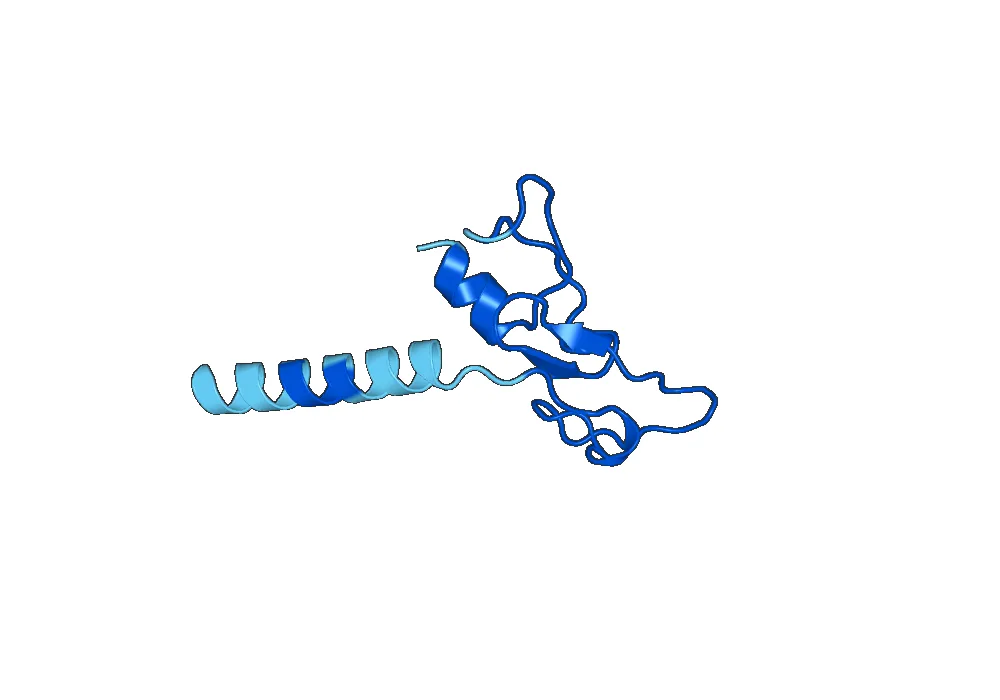
The Recombinant Human EEA1 Protein is a 162 kDa protein that belongs to the Early Endosome Antigen 1 (EEA1) family. It is a cytosolic protein that is involved in the regulation of endosome dynamics and membrane trafficking. The protein is composed of 1366 amino acids and contains several functional domains, including a Rab5-binding domain, a FYVE domain, and a coiled-coil domain. These domains play a crucial role in the protein’s activity and function.
Activity of Recombinant Human EEA1 Protein
The primary function of Recombinant Human EEA1 Protein is to regulate endosome dynamics and membrane trafficking. It is a key component of the endosome fusion machinery and is responsible for the fusion of early endosomes with late endosomes. This process is essential for the sorting and delivery of cargo molecules to their respective destinations within the cell. The Rab5-binding domain of the protein allows it to interact with the small GTPase protein Rab5, which is involved in the formation and maturation of early endosomes.
In addition to its role in endosome dynamics, Recombinant Human EEA1 Protein also plays a crucial role in autophagy, a cellular process that involves the degradation of damaged or unnecessary cellular components. The protein interacts with several autophagy-related proteins, including LC3 and ATG12, to regulate the formation and maturation of autophagosomes.
Applications of Recombinant Human EEA1 Protein
Due to its unique structure and activity, Recombinant Human EEA1 Protein has a wide range of potential applications. One of the most significant applications is in the study of endosome dynamics and membrane trafficking. The protein can be used in in vitro and in vivo experiments to understand the mechanisms involved in these processes and their regulation. It can also be used to study the role of early endosomes in various cellular processes, such as cell signaling and nutrient uptake.
Recombinant Human EEA1 Protein also has potential applications in drug discovery and development. As it is involved in the regulation of autophagy, the protein can be targeted for the development of novel therapeutics for diseases that involve dysregulation of this process, such as cancer and neurodegenerative disorders.
Furthermore, the protein has diagnostic applications as well. Its interaction with Rab5 and other proteins can be used as a biomarker for certain diseases, providing a potential diagnostic tool for early detection and treatment.
Conclusion
In summary, Recombinant Human EEA1 Protein is a unique and versatile protein with a crucial role in endosome dynamics, autophagy, and other cellular processes. Its structure and activity make it a valuable tool for studying these processes and their regulation, as well as for potential applications in drug discovery and diagnostics. With ongoing research and advancements in genetic engineering techniques, the potential for this protein in various fields is vast, and it will continue to be a subject of interest and investigation in the scientific community.

There are no reviews yet.