Introduction
Recombinant Human DOCK4 (Rho guanine nucleotide exchange factor 2) is a protein that plays an important role in cell signaling and cytoskeletal dynamics. It is encoded by the DOCK4 gene and is a member of the DOCK family of proteins. Recombinant Human DOCK4 is produced through genetic engineering techniques and has many applications in the fields of research, diagnostics, and therapeutics.
Structure of Recombinant Human DOCK4
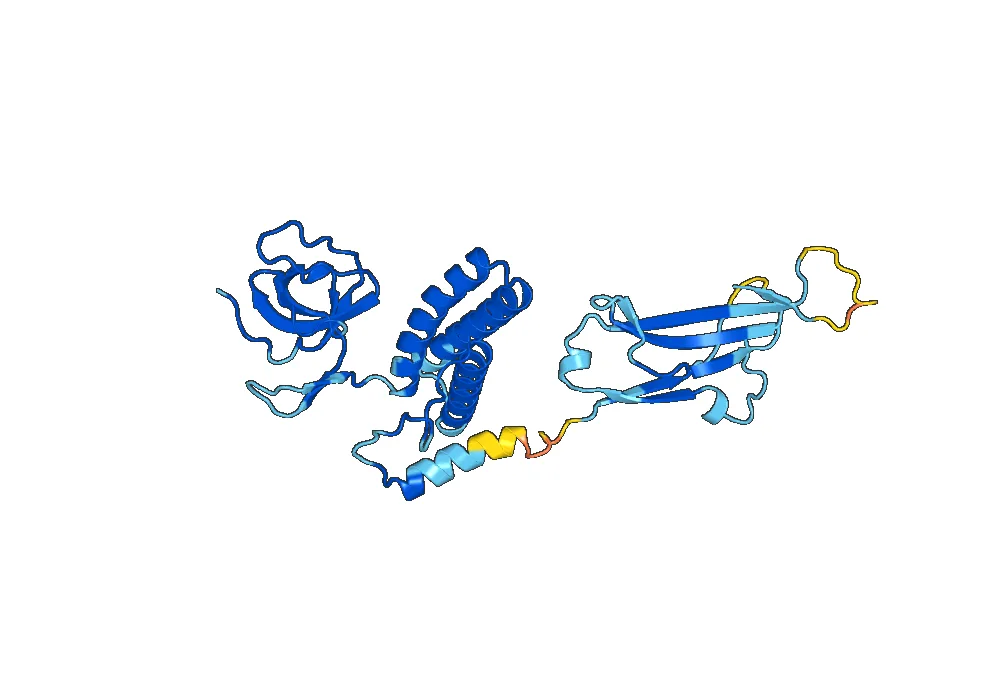
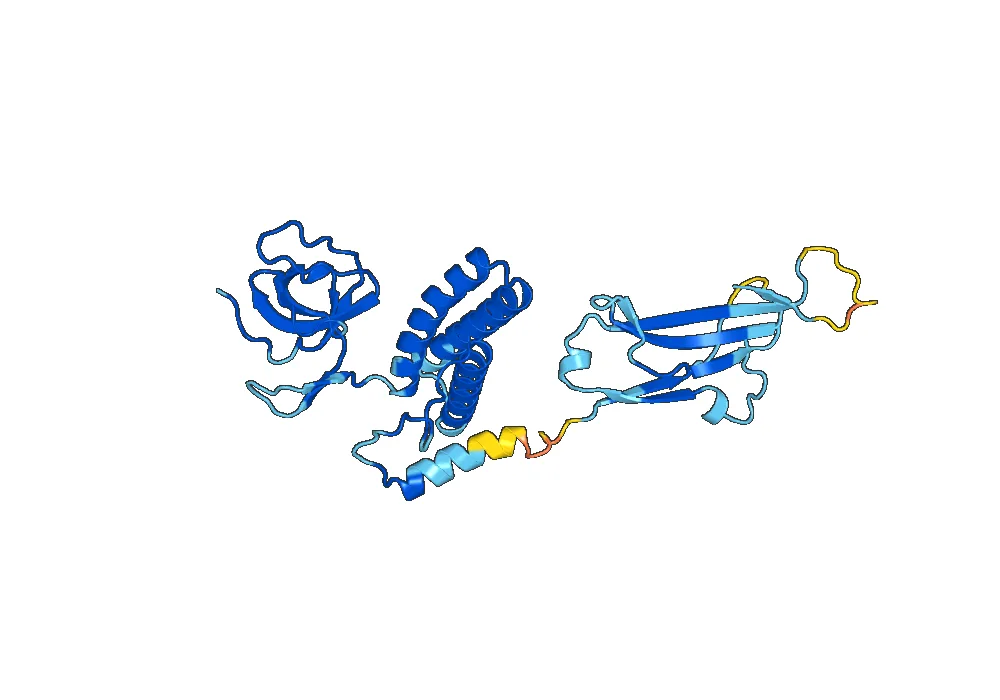
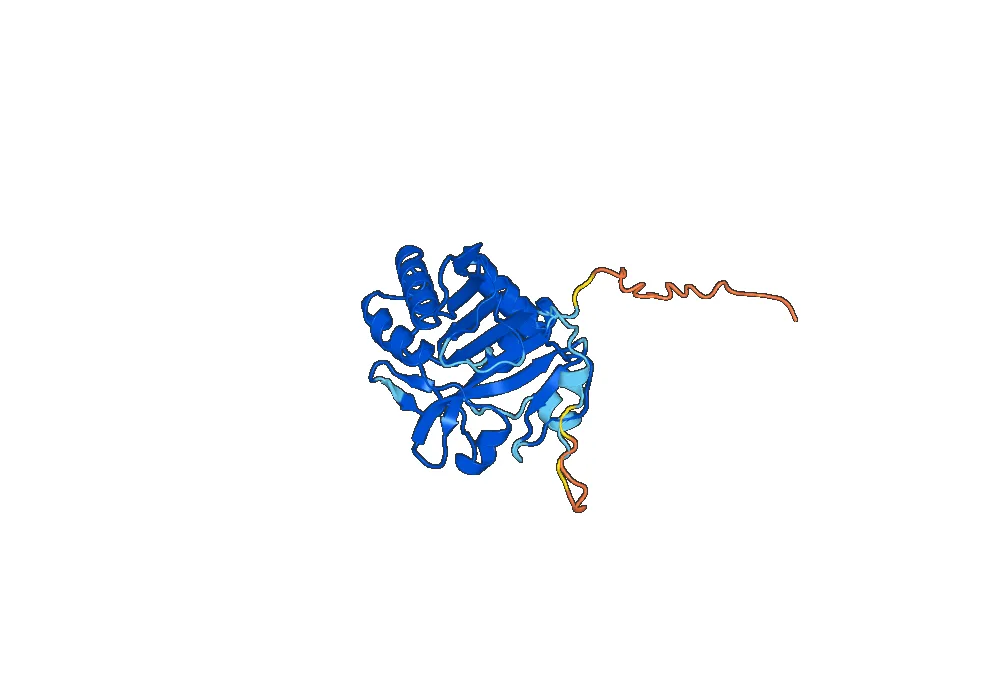
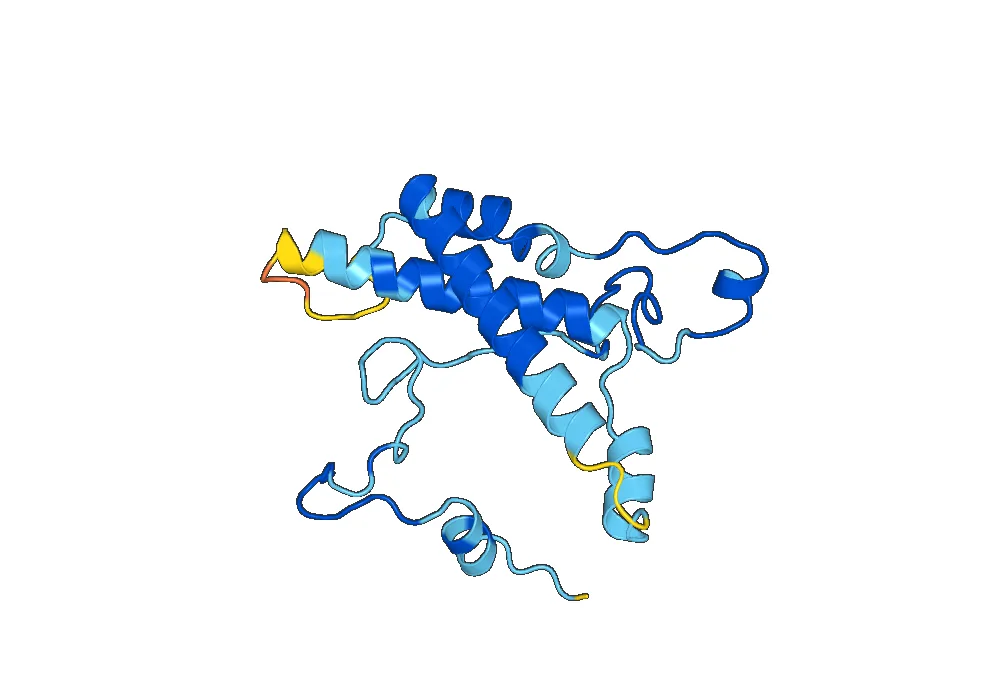
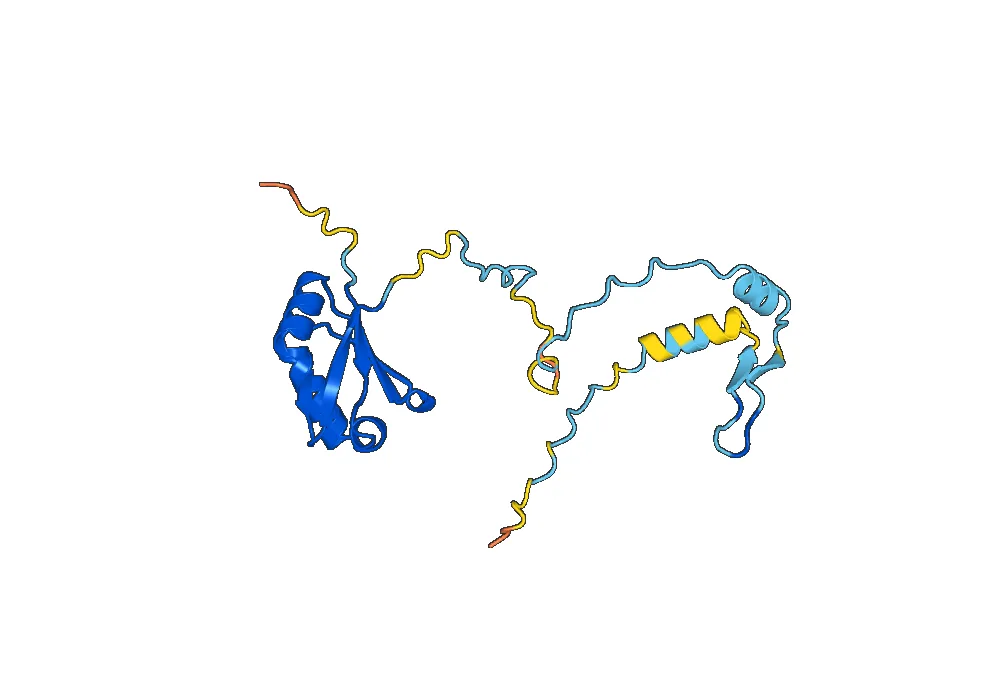
Recombinant Human DOCK4 is a large protein with a molecular weight of approximately 200 kDa. It consists of several structural domains including a DHR-1 domain, a DHR-2 domain, a PH domain, and a SH3 domain. The DHR-1 and DHR-2 domains are responsible for the guanine nucleotide exchange activity of DOCK4, while the PH and SH3 domains are involved in protein-protein interactions.
DHR-1 and DHR-2 domains
The DHR-1 and DHR-2 domains of Recombinant Human DOCK4 are responsible for its guanine nucleotide exchange activity. They bind to Rho family GTPases and facilitate the exchange of GDP for GTP, leading to the activation of these small GTPases. This activity is crucial for regulating cell signaling pathways and cytoskeletal dynamics.
PH domain
The PH domain of Recombinant Human DOCK4 is a lipid-binding domain that is important for its subcellular localization. It binds to phosphoinositides, which are lipids found in the cell membrane, and helps target DOCK4 to specific regions of the cell where it can carry out its function.
SH3 domain
The SH3 domain of Recombinant Human DOCK4 is a protein-protein interaction domain. It binds to proline-rich sequences in other proteins and plays a role in the formation of protein complexes. This domain is important for the regulation of DOCK4 activity and its interaction with other signaling molecules.
Activity of Recombinant Human DOCK4
Recombinant Human DOCK4 is a key regulator of cell signaling pathways and cytoskeletal dynamics. It is involved in a variety of cellular processes such as cell migration, cell adhesion, and cell proliferation. Its guanine nucleotide exchange activity on Rho family GTPases is crucial for the coordination of these processes.
One of the main functions of Recombinant Human DOCK4 is its role in cell migration. It promotes the formation of lamellipodia, which are dynamic protrusions at the leading edge of migrating cells. This is achieved through the activation of Rho family GTPases, which play a critical role in the regulation of actin dynamics.
In addition, Recombinant Human DOCK4 is also involved in cell adhesion. It promotes the formation of focal adhesions, which are specialized structures that link the cell to the extracellular matrix. This is important for maintaining cell-cell and cell-matrix interactions, as well as for cell survival and proliferation.
Application of Recombinant Human DOCK4
Recombinant Human DOCK4 has many applications in the fields of research, diagnostics, and therapeutics. Its role in cell signaling and cytoskeletal dynamics makes it a valuable tool for studying cellular processes such as cell migration, adhesion, and proliferation.
In research, Recombinant Human DOCK4 is used to study the function and regulation of Rho family GTPases. It can also be used to investigate the role of DOCK4 in specific cellular processes and to identify potential therapeutic targets.
In diagnostics, Recombinant Human DOCK4 can be used as an antigen in immunoassays to detect the presence of antibodies against DOCK4. This can be useful in diagnosing autoimmune diseases and other disorders related to DOCK4.
In therapeutics, Recombinant Human DOCK4 has potential as a target for drug development. Its involvement
There are no reviews yet.