Introduction to Recombinant Human DNAJA1 Protein
Recombinant Human DNAJA1 protein, also known as DnaJ homolog subfamily A member 1, is a heat shock protein that plays a crucial role in protein folding and quality control in the cell. It is a member of the DnaJ family of proteins, which are molecular chaperones that assist in the proper folding of other proteins.
Structure of Recombinant Human DNAJA1 Protein
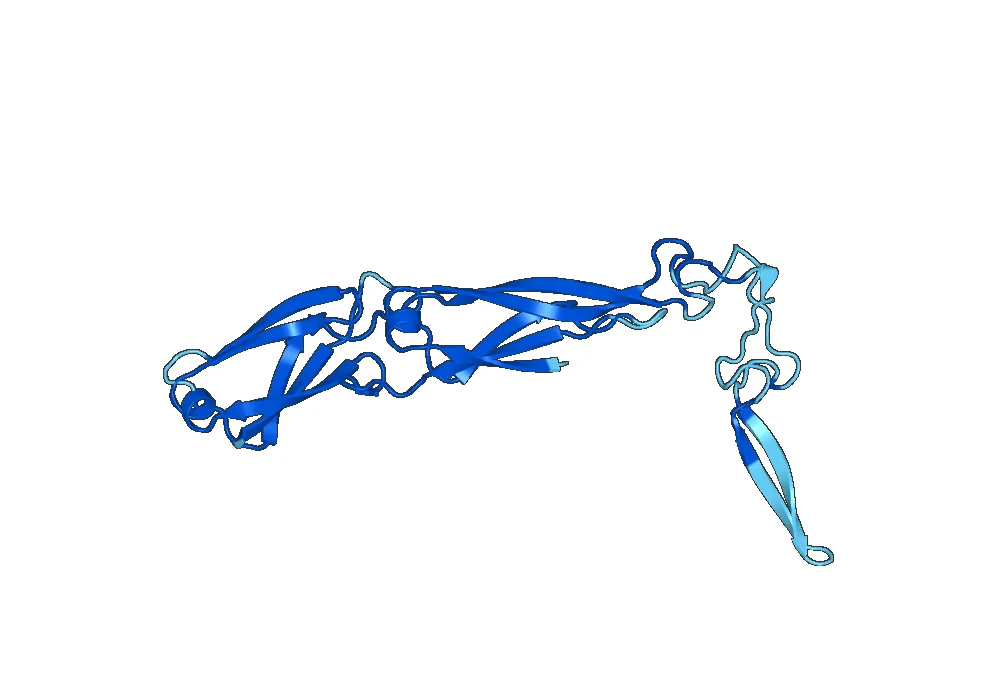
The recombinant human DNAJA1 protein is a 40 kDa protein consisting of 347 amino acids. It contains a highly conserved J domain at its N-terminus, which is responsible for its chaperone activity. This J domain interacts with the ATPase domain of Hsp70, another heat shock protein, to facilitate protein folding.
In addition to the J domain, the recombinant human DNAJA1 protein also contains a cysteine-rich domain and a zinc finger domain. These domains are involved in protein-protein interactions and are essential for the chaperone activity of DNAJA1.
Activity of Recombinant Human DNAJA1 Protein
The main activity of recombinant human DNAJA1 protein is to assist in the proper folding of newly synthesized proteins. It does this by binding to exposed hydrophobic regions of unfolded or misfolded proteins and preventing them from forming aggregates. This chaperone activity is essential for maintaining protein homeostasis and preventing the accumulation of misfolded proteins, which can lead to cellular dysfunction and disease.
In addition to its chaperone activity, recombinant human DNAJA1 protein also plays a role in protein degradation. It interacts with the ubiquitin-proteasome system, a cellular pathway responsible for the degradation of damaged or unwanted proteins. DNAJA1 helps in the recognition and targeting of proteins for degradation, ensuring that only properly folded and functional proteins remain in the cell.
Application of Recombinant Human DNAJA1 Protein
Recombinant human DNAJA1 protein has a wide range of applications in both research and therapeutic settings. Its chaperone activity and involvement in protein degradation make it a valuable tool for studying protein folding and quality control mechanisms in the cell.
In research, recombinant human DNAJA1 protein is often used to study the effects of protein misfolding and aggregation on cellular function. It can also be used to investigate the role of DNAJA1 in specific diseases, such as neurodegenerative disorders that are characterized by the accumulation of misfolded proteins.
In therapeutic settings, recombinant human DNAJA1 protein has shown potential for the treatment of protein misfolding diseases. By enhancing the chaperone activity of DNAJA1, it may be possible to prevent or reverse the accumulation of misfolded proteins and alleviate the symptoms of these diseases.
Conclusion
Recombinant Human DNAJA1 protein is a crucial player in protein folding and quality control in the cell. Its unique structure and chaperone activity make it an essential component of the cellular machinery that ensures proper protein function. With its wide range of applications in research and potential therapeutic uses, recombinant human DNAJA1 protein continues to be a subject of interest and investigation in the scientific community.


There are no reviews yet.