Introduction
Recombinant Human DLL4 is a protein that plays a crucial role in the Notch signaling pathway, which is involved in cell differentiation and development. This protein is produced through recombinant DNA technology and has various applications in the field of biotechnology and medicine. In this article, we will discuss the structure, activity, and applications of Recombinant Human DLL4 in detail.
Structure of Recombinant Human DLL4
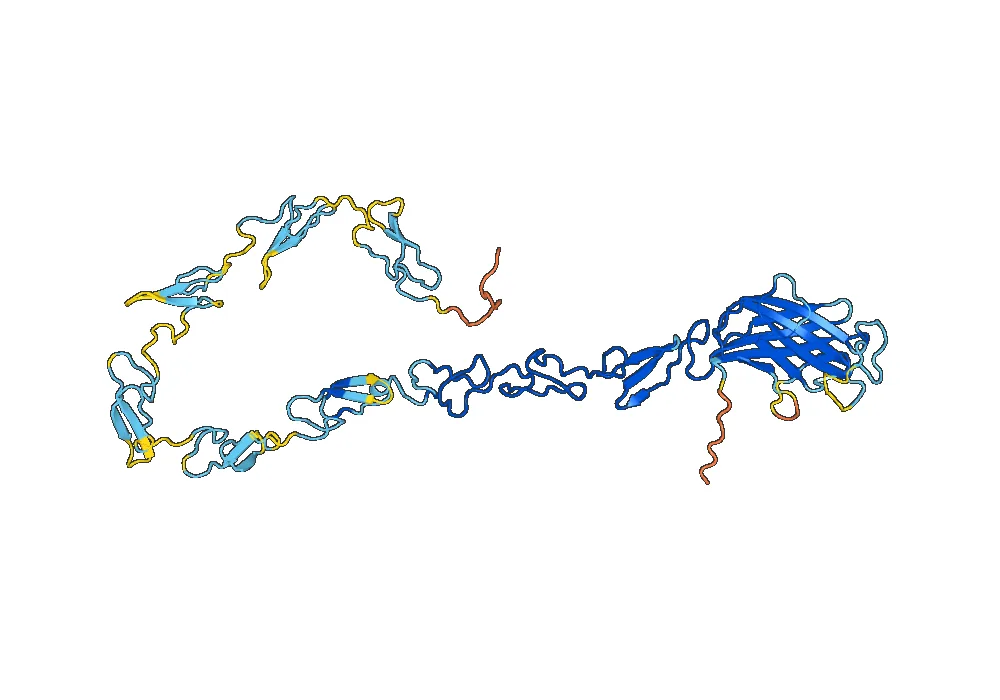
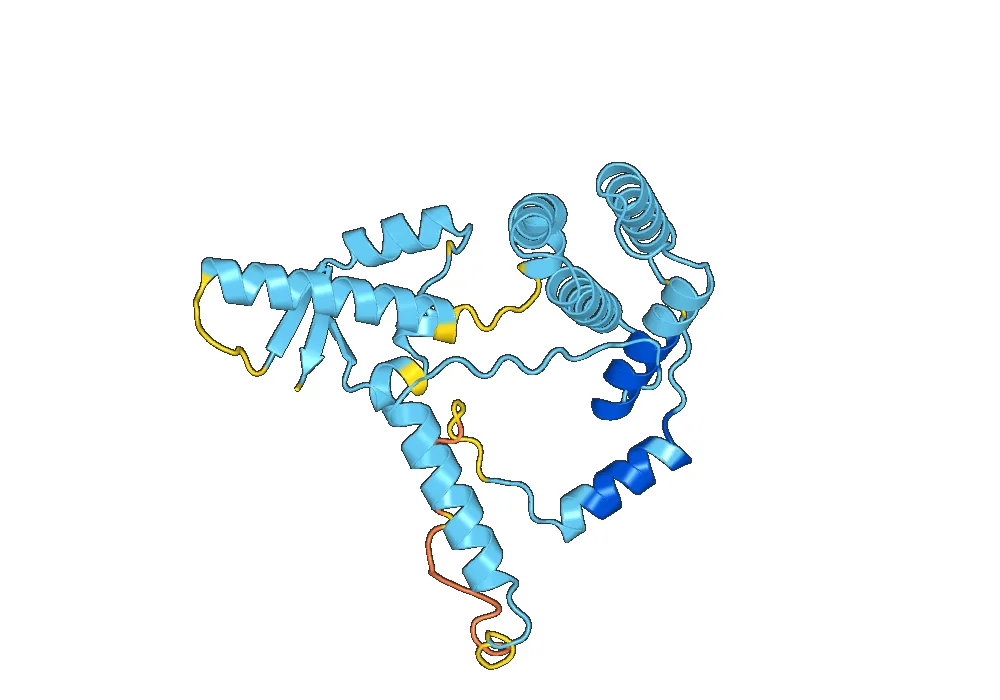
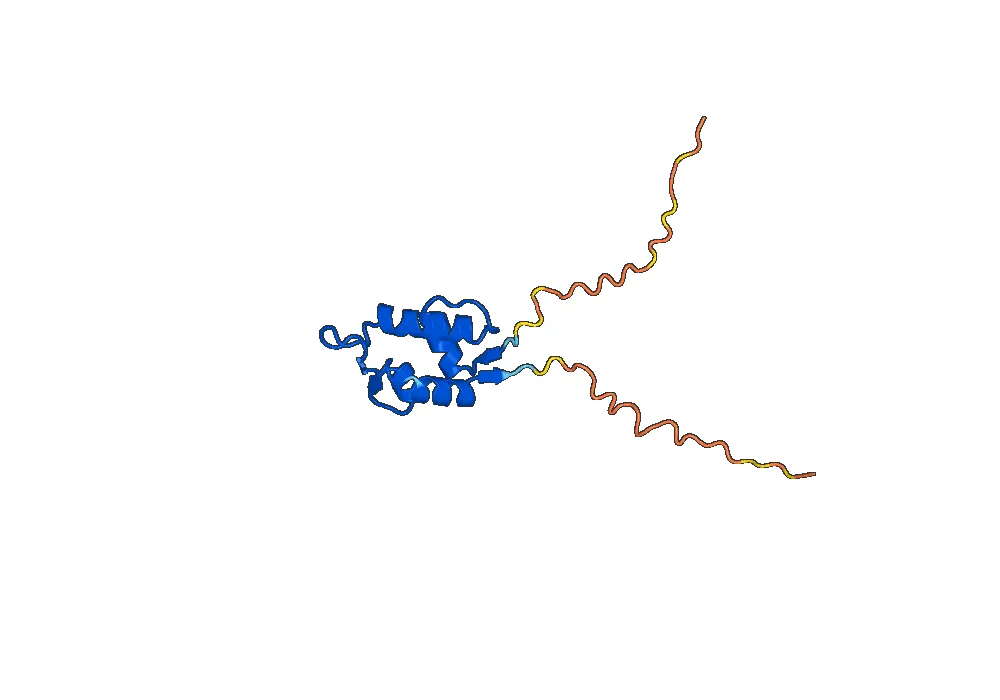
Recombinant Human DLL4 is a 66 kDa protein that consists of 685 amino acids. It belongs to the Delta-Serrate-Lag2 (DSL) family of Notch ligands and is highly conserved among different species. The protein has a conserved DSL domain at the N-terminus, which is responsible for its interaction with the Notch receptors. It also has eight epidermal growth factor-like (EGF) repeats and a C-terminal region that contains a cysteine-rich domain. The EGF repeats are involved in the binding of Recombinant Human DLL4 to the Notch receptors, while the cysteine-rich domain is responsible for its stability.
Activity of Recombinant Human DLL4
Recombinant Human DLL4 is a potent activator of the Notch signaling pathway. It binds to the Notch receptors on neighboring cells and triggers a series of proteolytic cleavage events that ultimately lead to the release of the Notch intracellular domain (NICD). The NICD then translocates to the nucleus and activates the transcription of target genes, which are involved in various cellular processes such as cell differentiation, proliferation, and survival. Recombinant Human DLL4 has been shown to have a higher binding affinity for the Notch1 receptor compared to other Notch receptors, making it a specific activator of the Notch1 signaling pathway.
In addition to its role in the Notch signaling pathway, Recombinant Human DLL4 also has non-canonical functions. It has been reported to interact with other proteins, such as vascular endothelial growth factor (VEGF) and fibronectin, and modulate their activities. This suggests that Recombinant Human DLL4 may have a broader role in regulating cellular processes beyond the Notch signaling pathway.
Applications of Recombinant Human DLL4
Therapeutic Applications
Recombinant Human DLL4 has shown great potential in the treatment of various diseases. One of its main applications is in cancer therapy. The Notch signaling pathway has been implicated in the development and progression of many types of cancer, and Recombinant Human DLL4 has been shown to inhibit tumor growth and angiogenesis in preclinical studies. It does so by activating the Notch signaling pathway in tumor cells, leading to their differentiation and reduced proliferation. Recombinant Human DLL4 has also been used in combination with other cancer therapies, such as chemotherapy and radiation, to enhance their efficacy.
In addition to cancer therapy, Recombinant Human DLL4 has also been investigated for its potential in treating cardiovascular diseases. It has been shown to promote angiogenesis and improve blood vessel formation in animal models of ischemic heart disease. This makes it a promising candidate for the treatment of conditions such as coronary artery disease and myocardial infarction.
Research Applications
Recombinant Human DLL4 is a valuable tool for studying the Notch signaling pathway and its role in various cellular processes. It is commonly used in in vitro and in vivo studies to activate the Notch signaling pathway and investigate its downstream effects. Recombinant Human DLL4 is also used in the production of monoclonal antibodies for detecting and quantifying the protein in cells and tissues. Furthermore, it is used in the development of cell-based assays for screening potential drugs that target the Notch signaling pathway.
Conclusion
Recombinant Human DLL4 is a crucial protein in
There are no reviews yet.