Introduction
Recombinant Human CYP46A1 Protein, also known as cholesterol 24-hydroxylase, is a key enzyme involved in the metabolism of cholesterol in the brain. This protein is encoded by the CYP46A1 gene and is responsible for the conversion of cholesterol into 24S-hydroxycholesterol, a form that can be easily transported across the blood-brain barrier. In this article, we will delve into the structure, activity, and applications of this important recombinant protein.
Structure of Recombinant Human CYP46A1 Protein
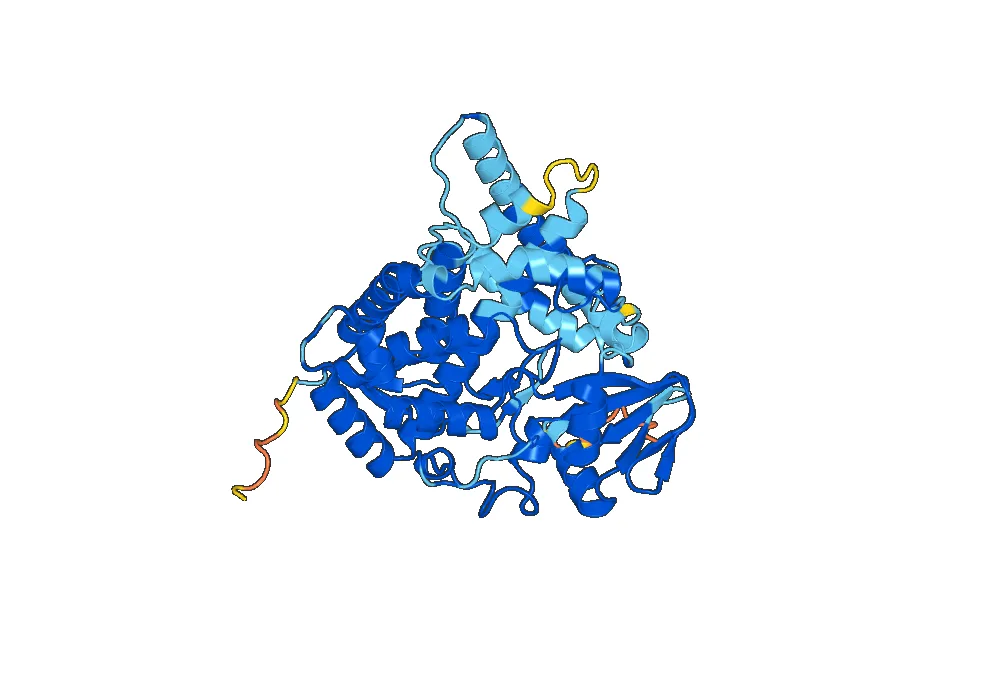
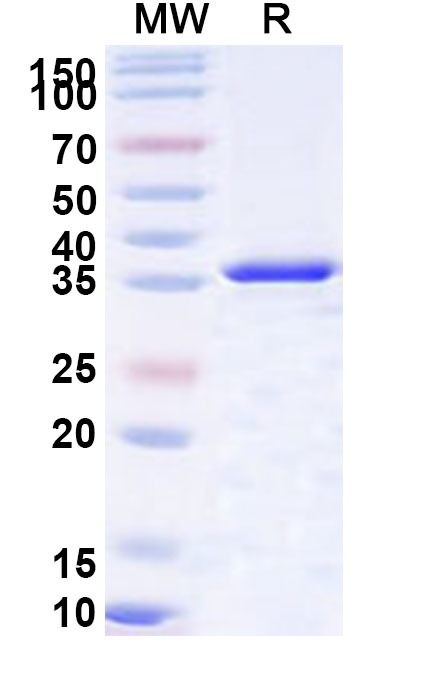
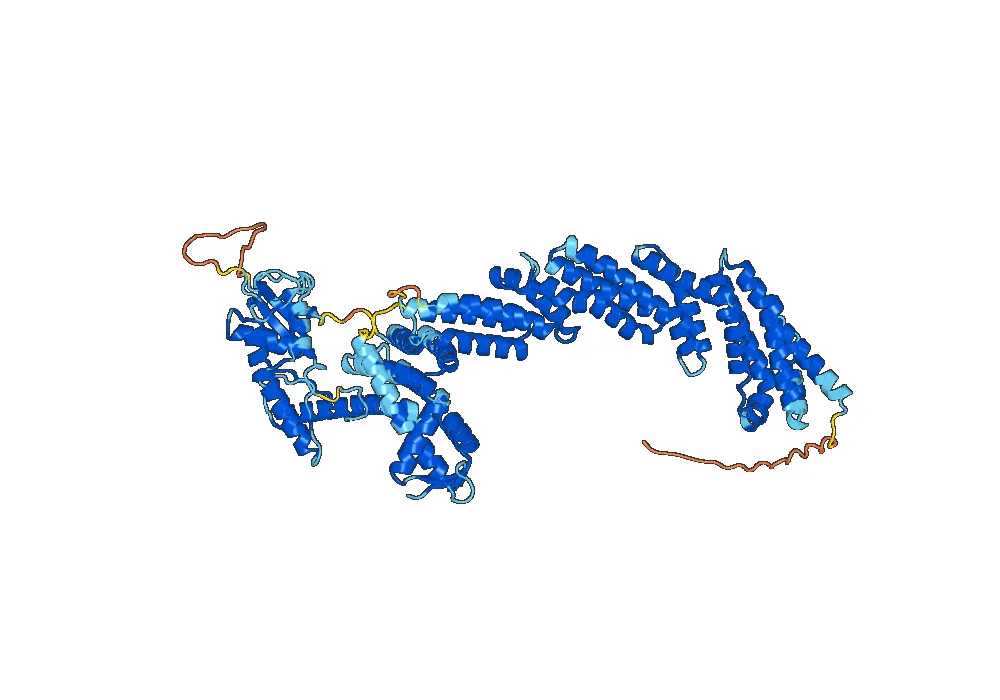
The recombinant form of CYP46A1 protein is produced by expressing the CYP46A1 gene in a suitable host, such as E. coli or yeast. The resulting protein is a monomeric enzyme with a molecular weight of approximately 60 kDa. It consists of 503 amino acids and contains a heme group, which is essential for its enzymatic activity.
The structure of CYP46A1 protein is similar to other members of the cytochrome P450 family, with a conserved heme-binding domain and a substrate-binding pocket. The heme group is responsible for binding to oxygen and other small molecules, while the substrate-binding pocket allows for the specific binding and metabolism of cholesterol.
Activity of Recombinant Human CYP46A1 Protein
The main function of CYP46A1 protein is to convert cholesterol into 24S-hydroxycholesterol, which is a more polar form that can be easily transported out of the brain. This process is crucial for maintaining cholesterol homeostasis in the brain, as an excess of cholesterol can lead to neurodegenerative diseases such as Alzheimer’s and Parkinson’s.
The activity of CYP46A1 protein is regulated by various factors, including its expression levels, interactions with other proteins, and post-translational modifications. It has been shown that the activity of this enzyme is highest in the brain, particularly in regions involved in memory and learning, such as the hippocampus and cortex.
Studies have also demonstrated that CYP46A1 protein plays a role in the regulation of neuroinflammation and oxidative stress, further highlighting its importance in maintaining brain health.
Applications of Recombinant Human CYP46A1 Protein
Recombinant Human CYP46A1 Protein has a wide range of applications in both research and therapeutic settings. One of its main uses is in the study of cholesterol metabolism and its role in brain function and disease. The recombinant protein can be used to investigate the effects of CYP46A1 gene mutations on enzyme activity and cholesterol metabolism, providing valuable insights into the mechanisms underlying neurodegenerative diseases.
In addition, CYP46A1 protein has potential therapeutic applications. Studies have shown that increasing the expression of this enzyme can help reduce cholesterol levels in the brain and improve cognitive function in animal models of Alzheimer’s disease. This suggests that CYP46A1 protein could be a target for the development of new treatments for neurodegenerative diseases.
Conclusion
Recombinant Human CYP46A1 Protein is a crucial enzyme involved in the metabolism of cholesterol in the brain. Its structure and activity have been extensively studied, and it has been shown to play a key role in maintaining brain health. With its wide range of applications, this recombinant protein holds great promise for furthering our understanding of cholesterol metabolism and its implications in neurodegenerative diseases.


There are no reviews yet.