Introduction
Recombinant Human CLIC4 (chloride intracellular channel 4) is a protein that belongs to the family of chloride intracellular channels (CLICs). It is encoded by the CLIC4 gene and is found in various tissues and organs in the human body. This protein has been extensively studied and has been shown to play a crucial role in various cellular processes. In this article, we will provide a detailed description of the structure, activity, and applications of Recombinant Human CLIC4.
Structure of Recombinant Human CLIC4
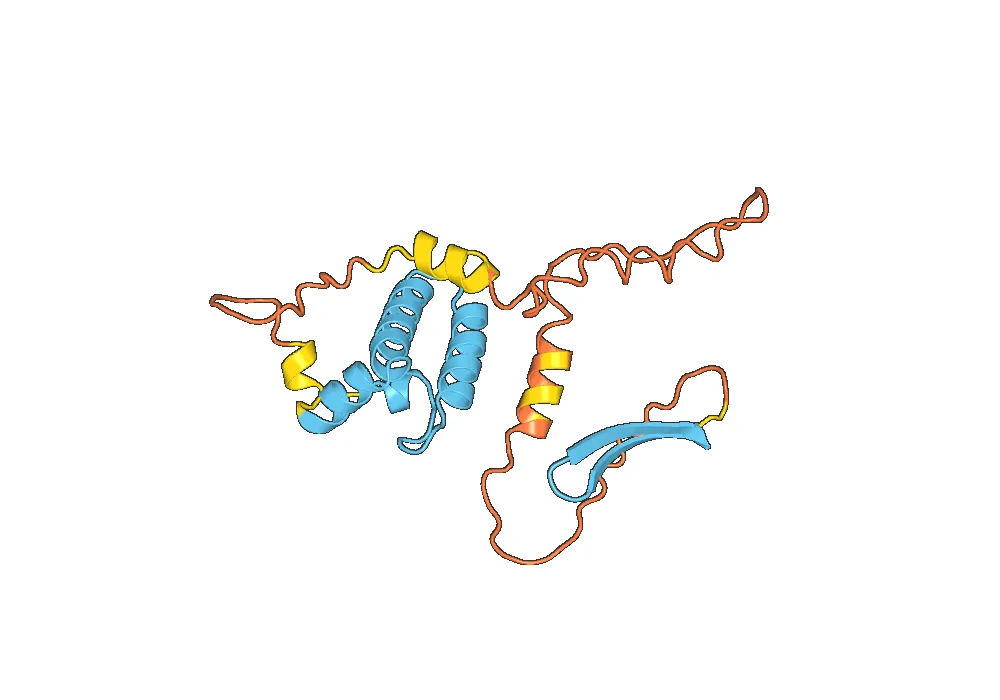
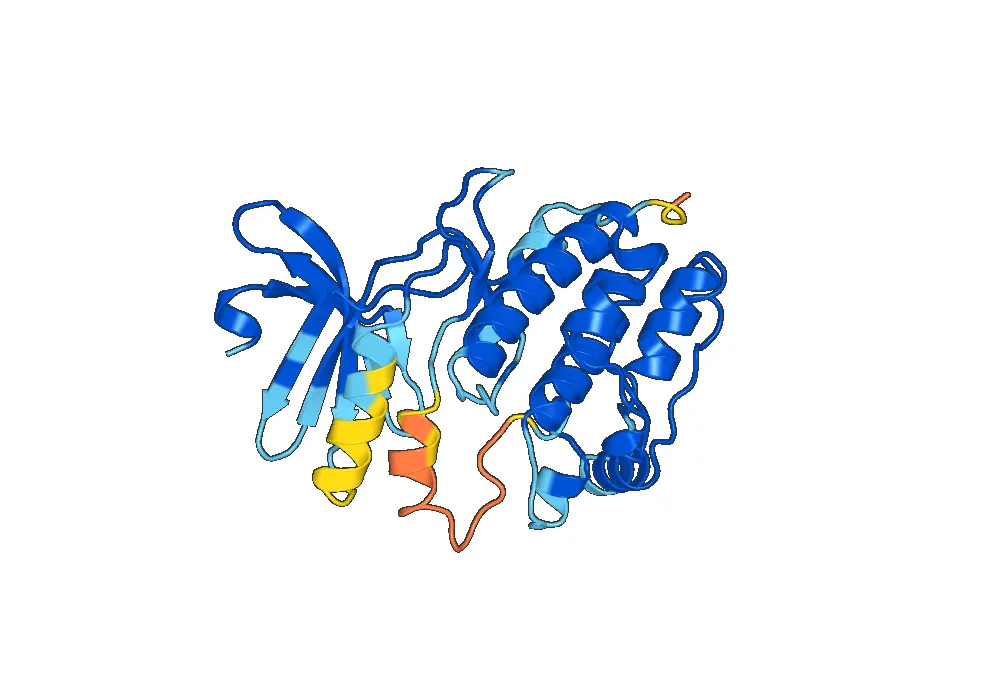
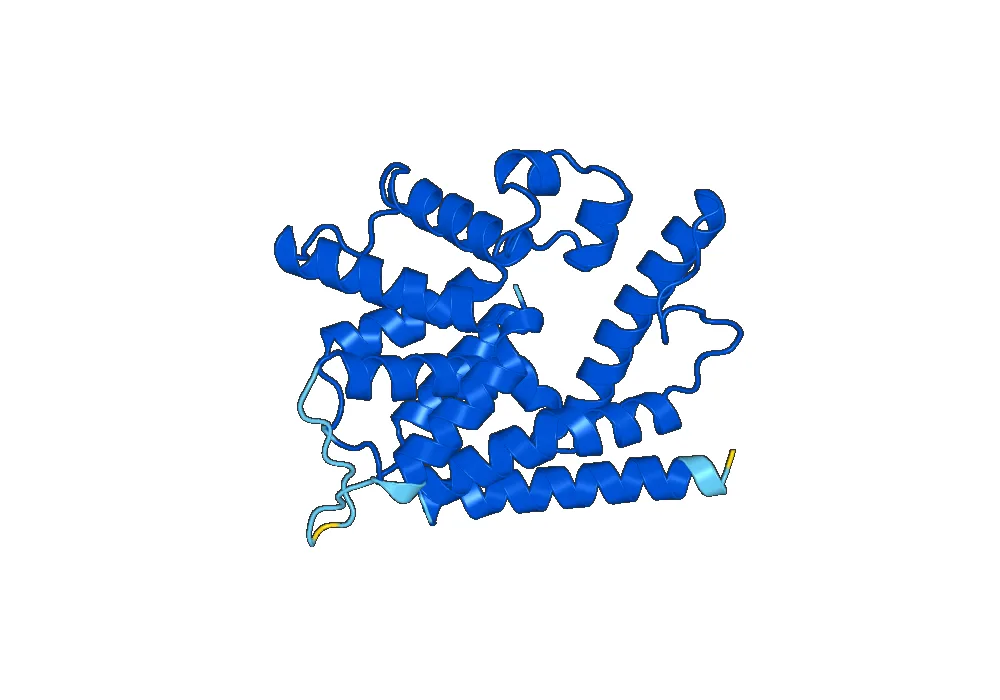
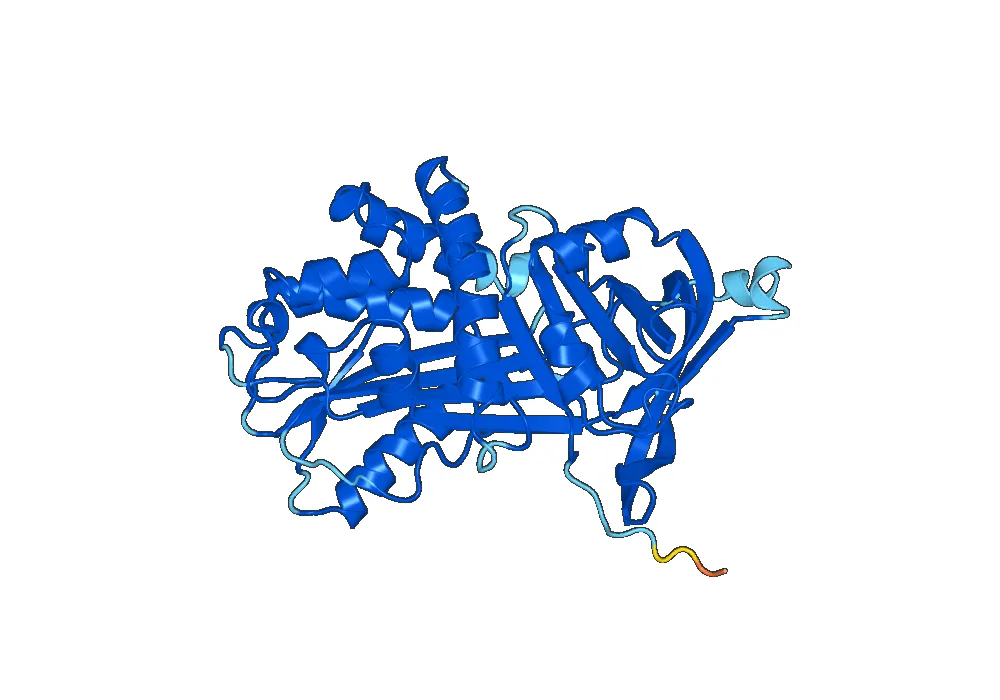
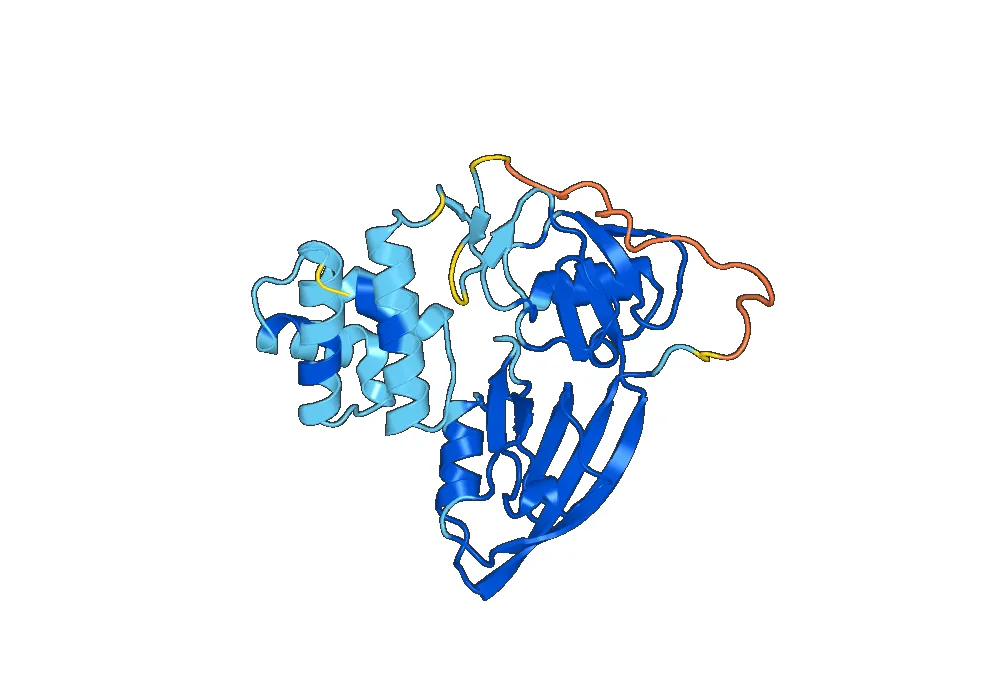
Recombinant Human CLIC4 is a 253 amino acid protein with a molecular weight of approximately 27 kDa. It is composed of two domains, a N-terminal thioredoxin-like domain and a C-terminal transmembrane domain. The N-terminal domain is responsible for the redox regulation of the protein, while the transmembrane domain is involved in its chloride channel activity. The protein is highly conserved among different species, with a 97% sequence identity between human and mouse CLIC4.
Activity of Recombinant Human CLIC4
Recombinant Human CLIC4 has been shown to have multiple activities in various cellular processes. Firstly, it has been reported to have chloride channel activity, which is essential for the regulation of intracellular chloride levels. This activity is regulated by the redox state of the protein, with the oxidized form being inactive and the reduced form being active. Additionally, CLIC4 has been shown to have a role in the regulation of cell proliferation, migration, and invasion. It has been reported to interact with various signaling pathways, such as the Wnt/β-catenin and TGF-β pathways, to regulate these processes. Moreover, CLIC4 has been shown to have a role in the regulation of apoptosis, with studies demonstrating its involvement in both pro-apoptotic and anti-apoptotic pathways.
Applications of Recombinant Human CLIC4
Recombinant Human CLIC4 has been widely used in various research studies due to its diverse functions. One of its main applications is in the study of chloride channel activity and its regulation. The recombinant protein has been used to investigate the redox regulation of CLIC4 and its role in maintaining intracellular chloride levels. Additionally, the protein has been used to study the involvement of CLIC4 in various cellular processes, such as cell proliferation, migration, and apoptosis. Its interaction with different signaling pathways has also been extensively studied using recombinant CLIC4.
Moreover, recombinant Human CLIC4 has potential applications in cancer research. CLIC4 has been reported to have both tumor-suppressive and tumor-promoting effects, depending on the type of cancer. Therefore, understanding its role in different cancers and its interaction with various signaling pathways could provide valuable insights for the development of targeted therapies. Recombinant CLIC4 has also been investigated as a potential biomarker for certain cancers, such as breast and lung cancer, due to its differential expression in cancer cells.
Conclusion
In conclusion, Recombinant Human CLIC4 is a 27 kDa protein with a N-terminal thioredoxin-like domain and a C-terminal transmembrane domain. It has chloride channel activity and plays a crucial role in various cellular processes, including cell proliferation, migration, and apoptosis. Its diverse functions make it a valuable tool for research in multiple fields, including chloride channel regulation, cell signaling, and cancer biology. Further studies on recombinant CLIC4 could provide a better understanding of its role in different diseases and potentially lead to the development of novel therapeutic strategies.

There are no reviews yet.