Introduction
Recombinant Human CILK1 (Cell Cycle Interacting Kinase 1) is a protein that plays a crucial role in regulating the cell cycle and cell division. It is a member of the serine/threonine protein kinase family and is encoded by the CILK1 gene located on chromosome 11 in humans. This protein has been extensively studied for its structure, activity, and potential applications in various fields of research.
Structure of Recombinant Human CILK1
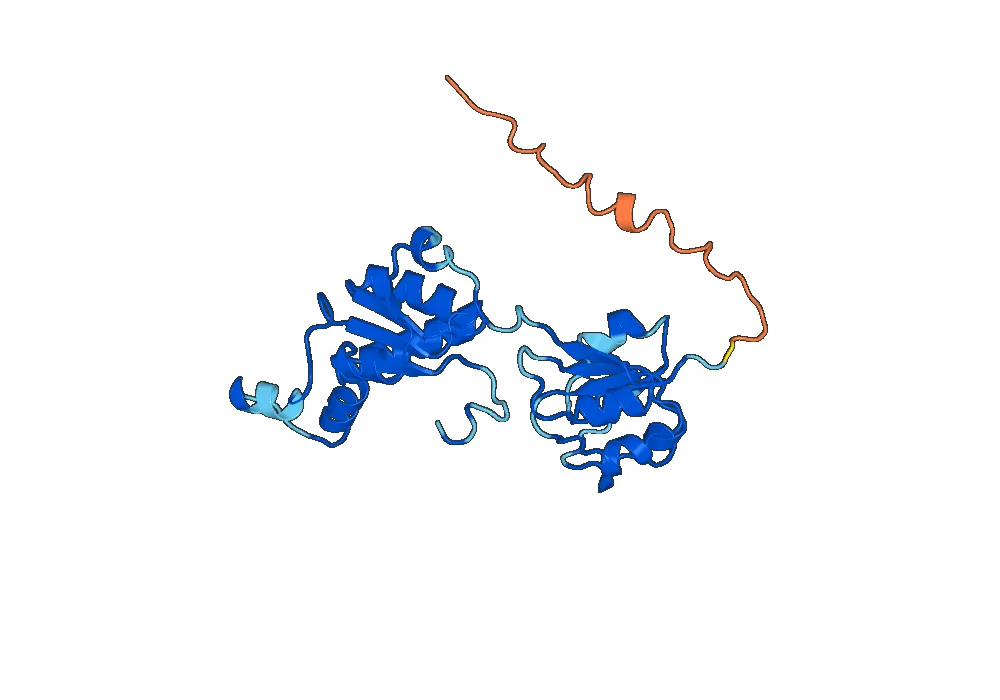
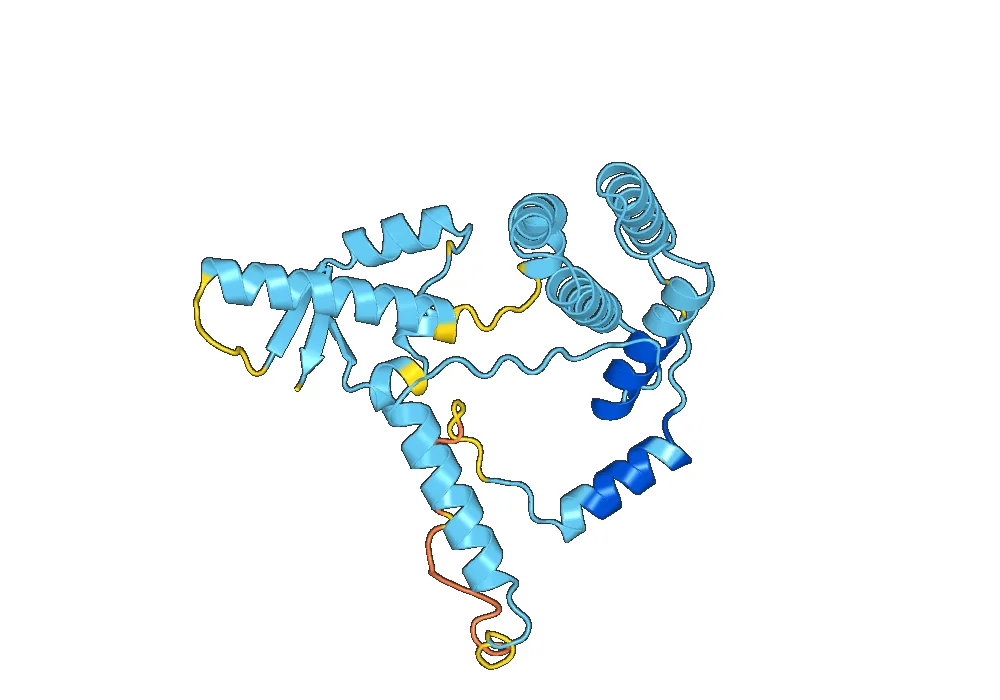
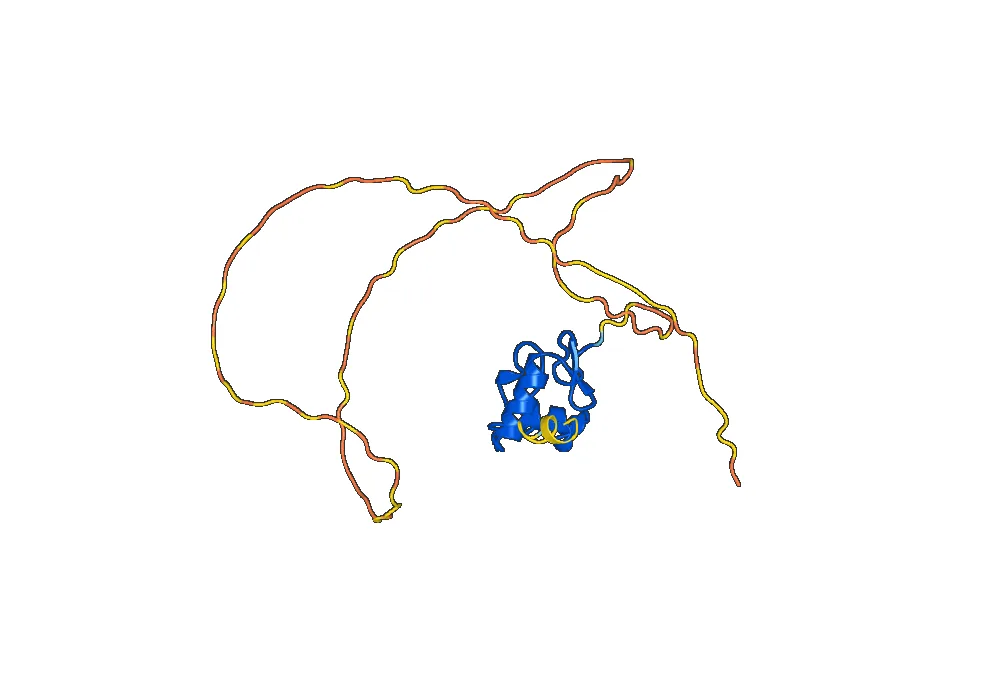
Recombinant Human CILK1 is a 604 amino acid protein with a molecular weight of approximately 68 kDa. It contains a protein kinase domain, a coiled-coil domain, and a C-terminal regulatory domain. The protein kinase domain is responsible for the catalytic activity of CILK1, while the coiled-coil domain is involved in protein-protein interactions. The C-terminal regulatory domain is responsible for the regulation of CILK1 activity.
Recombinant Human CILK1 also has several conserved domains, including a PEST domain, a nuclear localization signal, and a bipartite nuclear localization signal. The PEST domain is involved in regulating protein degradation, while the nuclear localization signals are responsible for targeting CILK1 to the nucleus.
Activity of Recombinant Human CILK1
Recombinant Human CILK1 is a serine/threonine protein kinase that plays a crucial role in regulating the cell cycle and cell division. It is involved in several cellular processes, including DNA replication, mitosis, and cytokinesis. CILK1 is activated during the G2/M phase of the cell cycle and is responsible for the phosphorylation of several target proteins involved in cell cycle progression.
Studies have shown that CILK1 is essential for proper cell division and its dysregulation can lead to abnormal cell growth and division, which can contribute to the development of diseases such as cancer. CILK1 has also been implicated in the regulation of cell migration, invasion, and apoptosis, highlighting its importance in various cellular processes.
Applications of Recombinant Human CILK1
Recombinant Human CILK1 has a wide range of potential applications in the field of research. It can be used as a recombinant protein in various biochemical and biophysical studies to understand its structure and function. CILK1 can also be used as an antigen in immunological studies to generate specific antibodies for further research.
Furthermore, CILK1 has been identified as a potential therapeutic target for the treatment of cancer. Its overexpression has been observed in several types of cancer, and inhibiting its activity has shown promising results in reducing tumor growth and metastasis. Therefore, recombinant CILK1 inhibitors could be developed as potential anti-cancer drugs.
Additionally, CILK1 has also been implicated in neurological disorders such as Alzheimer’s disease and Parkinson’s disease. Its role in regulating cell division and apoptosis in neurons makes it a potential target for the development of therapies for these diseases.
Conclusion
Recombinant Human CILK1 is a crucial protein involved in regulating the cell cycle and cell division. Its structure, activity, and potential applications have been extensively studied, highlighting its importance in various cellular processes and diseases. Further research on CILK1 could lead to a better understanding of its role in health and disease and potentially pave the way for the development of new therapies for various disorders.


There are no reviews yet.