Introduction
Recombinant Human CHCHD3 Protein, also known as Coiled-Coil-Helix-Coiled-Coil-Helix Domain Containing 3 Protein, is a highly conserved protein that plays a crucial role in mitochondrial function. This protein is encoded by the CHCHD3 gene and is found in various tissues and cell types, including the brain, heart, liver, and skeletal muscle. In this article, we will discuss the structure, activity, and application of Recombinant Human CHCHD3 Protein.
Structure of Recombinant Human CHCHD3 Protein
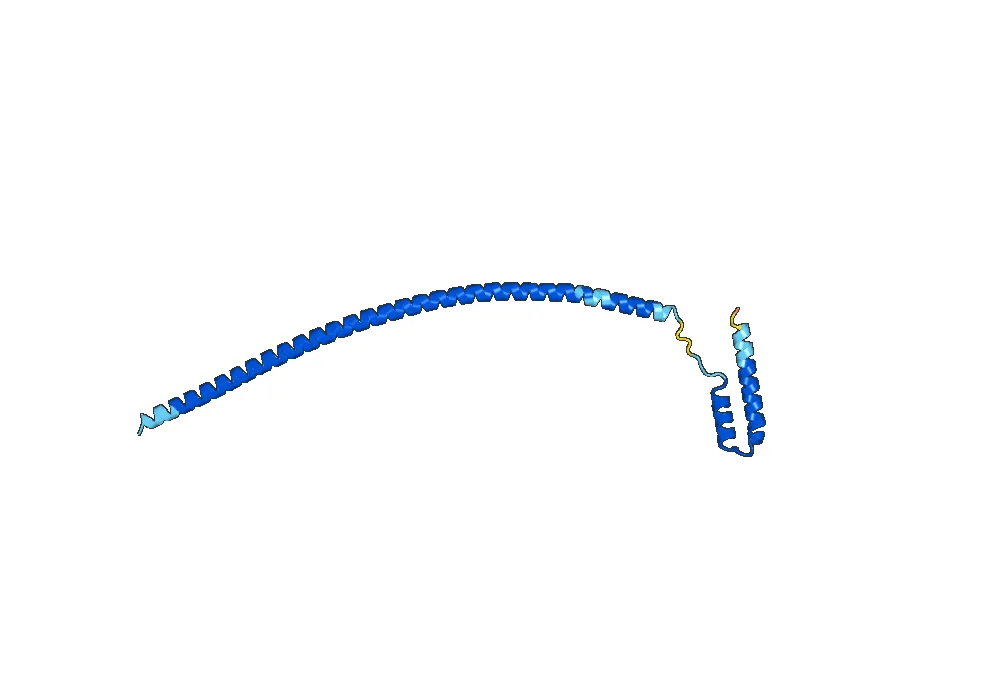
The CHCHD3 gene encodes a protein of 131 amino acids, with a molecular weight of approximately 14.7 kDa. The primary structure of CHCHD3 protein consists of two coiled-coil domains, followed by two helix-turn-helix domains. These domains are responsible for the protein’s structural stability and interaction with other proteins.
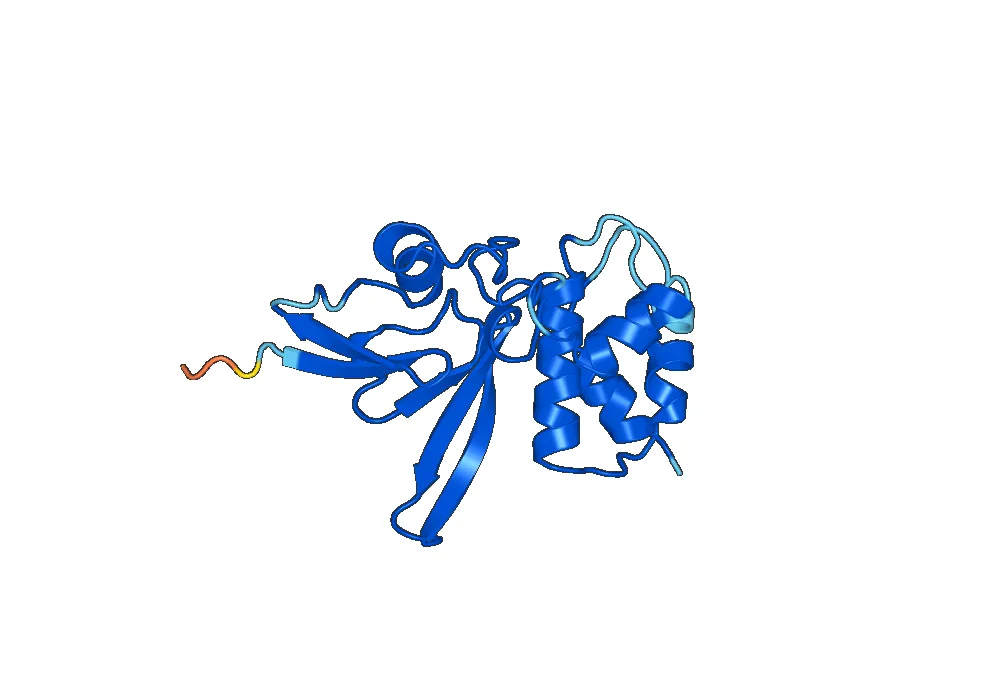
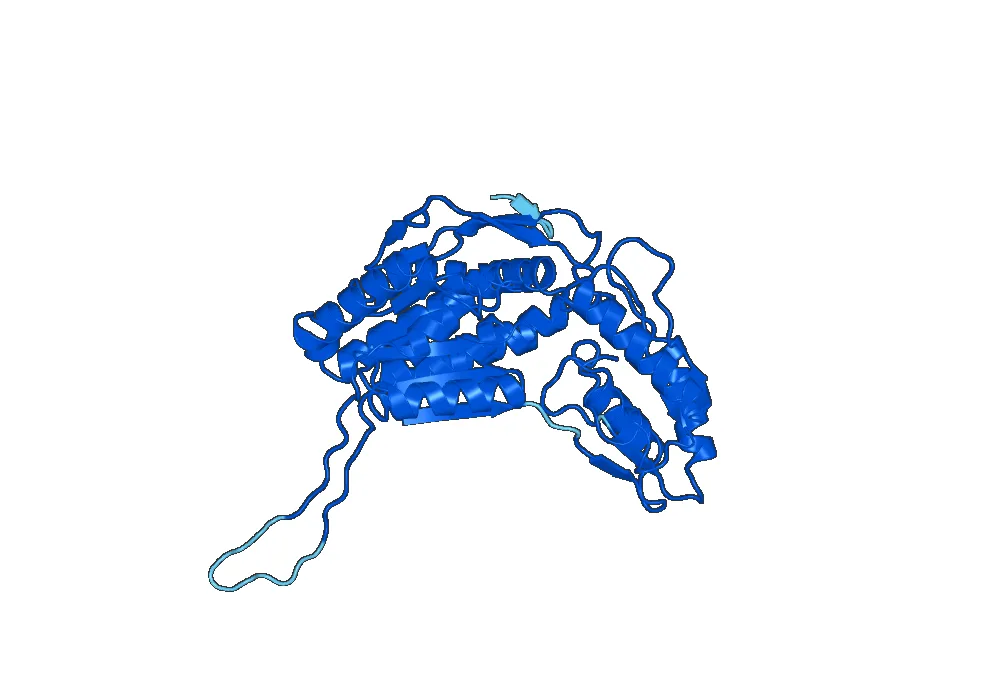
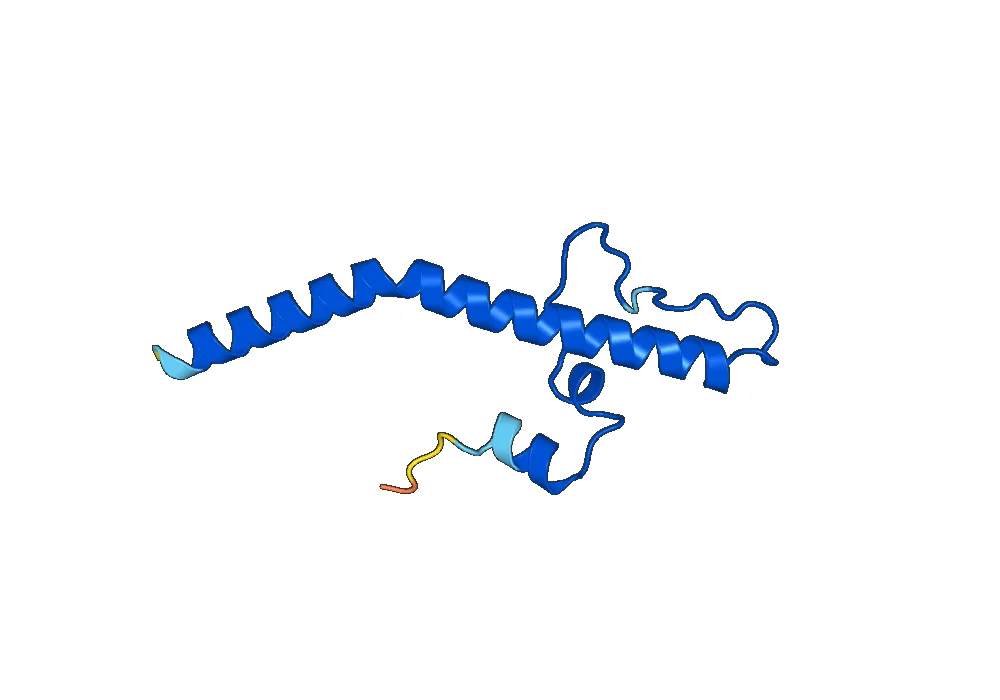
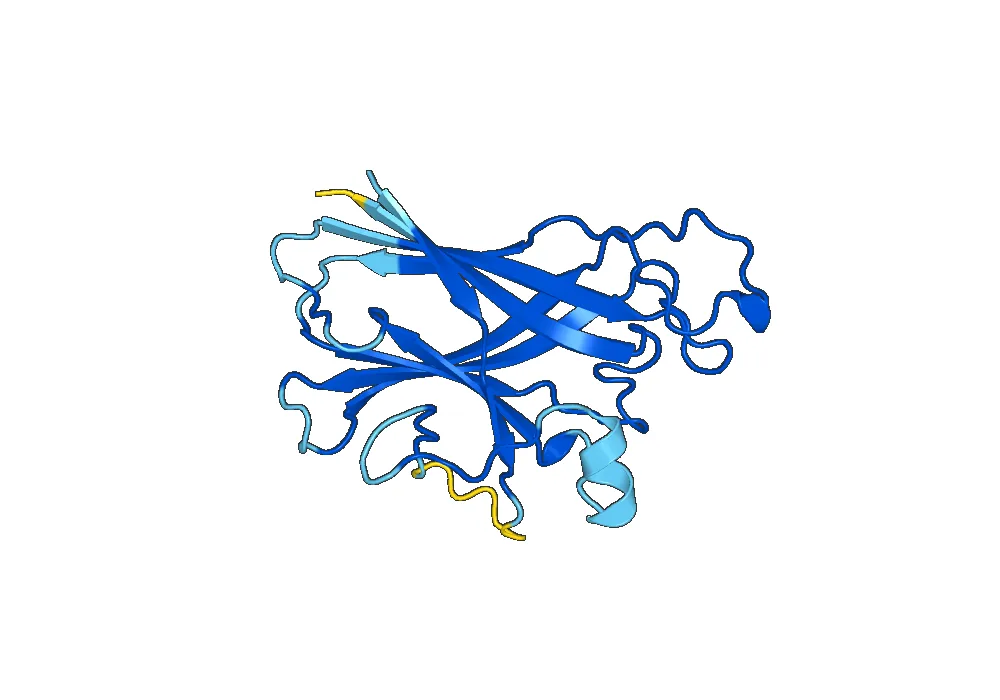
The secondary structure of CHCHD3 protein is predominantly alpha-helical, with some beta-sheet elements. The tertiary structure of the protein forms a homodimer, with each monomer consisting of four alpha-helices arranged in a coiled-coil configuration. This dimerization is essential for the protein’s function, as it allows for the formation of a stable complex with other proteins.
Activity of Recombinant Human CHCHD3 Protein
Recombinant Human CHCHD3 Protein is primarily localized to the inner mitochondrial membrane, where it plays a crucial role in maintaining mitochondrial function. It has been shown to interact with several other proteins involved in mitochondrial metabolism, including the mitochondrial import receptor Tom70 and the respiratory chain complex III.
One of the key activities of CHCHD3 protein is its role in the assembly and stability of respiratory chain complexes. It has been demonstrated that CHCHD3 protein interacts with the respiratory chain complex III, and its overexpression can enhance the activity of this complex. This activity is essential for the proper functioning of the respiratory chain, which is responsible for the production of ATP, the cell’s main energy source.
Additionally, CHCHD3 protein has been shown to play a role in maintaining mitochondrial membrane potential, which is necessary for the proper functioning of the respiratory chain. It has also been implicated in regulating mitochondrial dynamics, including fission and fusion processes, which are essential for maintaining mitochondrial homeostasis.
Application of Recombinant Human CHCHD3 Protein
Recombinant Human CHCHD3 Protein has various applications in both research and clinical settings. Due to its role in mitochondrial function, it has been studied extensively in the context of mitochondrial diseases. Mutations in the CHCHD3 gene have been linked to several mitochondrial disorders, including Charcot-Marie-Tooth disease and amyotrophic lateral sclerosis (ALS).
In research, Recombinant Human CHCHD3 Protein is commonly used as an antigen for the production of antibodies. These antibodies can be used to study the protein’s localization, expression, and interactions with other proteins. They can also be used in diagnostic tests for diseases associated with CHCHD3 mutations.
In clinical settings, CHCHD3 protein has been investigated as a potential therapeutic target for mitochondrial diseases. Studies have shown that increasing the expression of CHCHD3 protein can improve mitochondrial function and alleviate symptoms of mitochondrial disorders. Additionally, CHCHD3 protein has been proposed as a potential biomarker for mitochondrial diseases, as its levels have been found to be altered in patients with these disorders.
Conclusion
In summary, Recombinant Human CHCHD3 Protein is a highly conserved protein with a crucial role in maintaining mitochondrial function. Its structure, activity, and application have been extensively studied, and it has shown promise as a potential therapeutic target and biomarker for mitochondrial diseases. Further research on this protein may provide valuable insights into the pathogenesis of mitochondrial disorders and lead to the development of effective treatments.

There are no reviews yet.