Introduction
Recombinant Human CDK9 Protein, also known as Cyclin-Dependent Kinase 9, is a highly conserved protein that plays a crucial role in cell cycle regulation and transcriptional control. This protein is encoded by the CDK9 gene and is a member of the cyclin-dependent kinase family. Recombinant Human CDK9 Protein is produced through recombinant DNA technology and has a wide range of applications in both research and therapeutic fields.
Structure of Recombinant Human CDK9 Protein
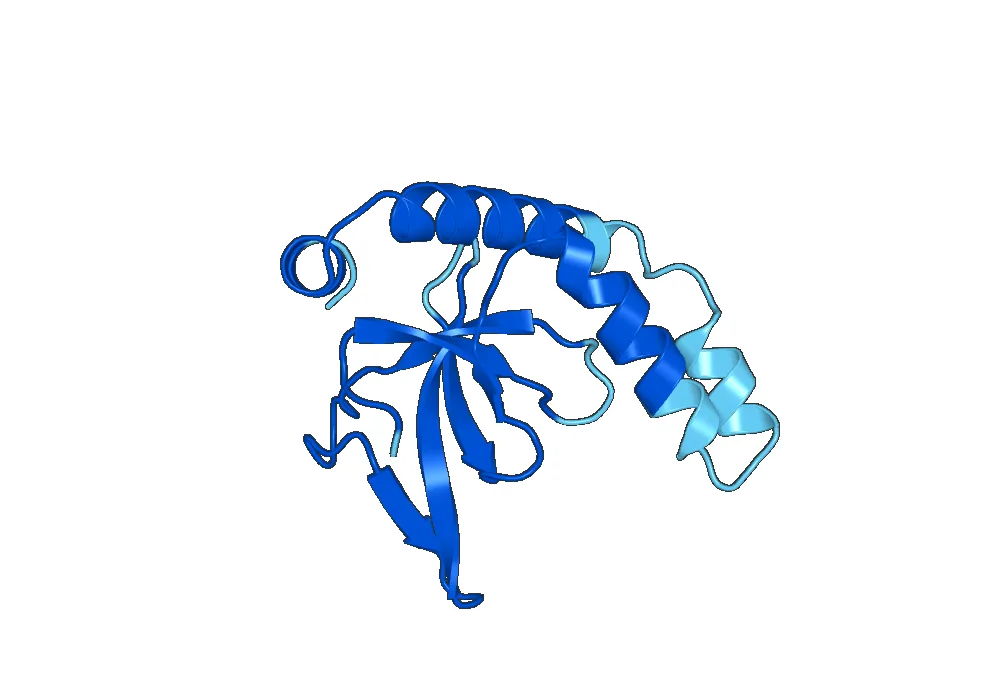
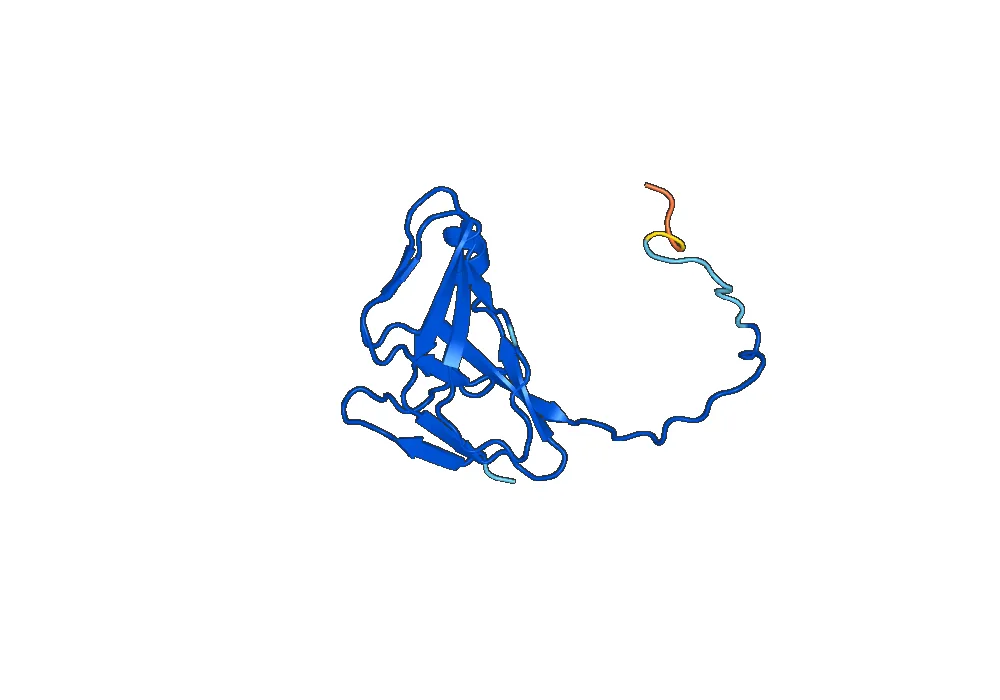
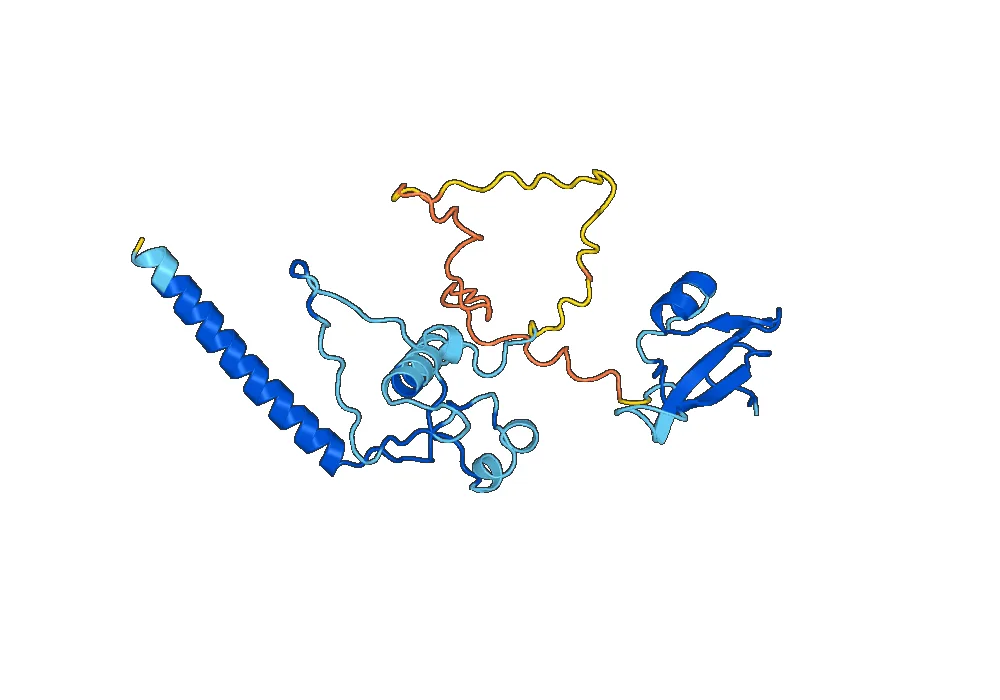
Recombinant Human CDK9 Protein is a 42 kDa protein consisting of 372 amino acids. It is composed of three distinct domains: the N-terminal domain, the catalytic domain, and the C-terminal domain. The N-terminal domain is responsible for protein-protein interactions, while the catalytic domain contains the active site for kinase activity. The C-terminal domain is involved in substrate recognition and binding.
Activity of Recombinant Human CDK9 Protein
Recombinant Human CDK9 Protein is a serine/threonine kinase that plays a crucial role in regulating the cell cycle and transcriptional processes. It is a component of the positive transcription elongation factor b (P-TEFb) complex, which is essential for the elongation phase of transcription. CDK9 is activated by binding to its regulatory subunit, cyclin T, and phosphorylates the C-terminal domain of RNA polymerase II, leading to efficient transcriptional elongation.
Apart from its role in transcription, Recombinant Human CDK9 Protein also plays a critical role in cell cycle regulation. It phosphorylates the retinoblastoma protein (Rb), leading to its inactivation and allowing cells to progress from the G1 to the S phase of the cell cycle. CDK9 also regulates the expression of genes involved in cell survival and proliferation, making it a crucial player in various cellular processes.
Applications of Recombinant Human CDK9 Protein
Recombinant Human CDK9 Protein has a wide range of applications in both research and therapeutic fields. Some of the key applications of this protein are discussed below.
1. Research
Recombinant Human CDK9 Protein is widely used in research to study its role in transcription and cell cycle regulation. It is also used to investigate the mechanisms of action of various drugs that target CDK9, such as flavopiridol and dinaciclib. Additionally, CDK9 inhibitors are being studied for their potential anti-cancer effects, making Recombinant Human CDK9 Protein a valuable tool in cancer research.
2. Therapeutic Applications
CDK9 inhibitors have shown promising results in preclinical studies as potential anti-cancer agents. These inhibitors block the activity of Recombinant Human CDK9 Protein, leading to the inhibition of cancer cell growth. Clinical trials are currently underway to evaluate the efficacy of CDK9 inhibitors in treating various types of cancer, including leukemia, lymphoma, and solid tumors.
Apart from cancer, Recombinant Human CDK9 Protein has also shown potential in treating viral infections such as HIV and hepatitis B. CDK9 inhibitors have been shown to block viral replication by inhibiting the transcription of viral genes, making them a promising therapeutic option for these infections.
3. Diagnostic Applications
Recombinant Human CDK9 Protein can also be used as an antigen in diagnostic tests to detect the presence of antibodies against CDK9 in patient samples. This can be useful in diagnosing certain autoimmune diseases and monitoring the efficacy of CDK9 inhibitor therapy in cancer patients.
Conclusion
In conclusion, Recombinant Human CDK9 Protein is a crucial protein involved in cell cycle regulation and transcriptional control. Its structure, activity, and wide range of applications make it a valuable tool in both research and therapeutic fields. With ongoing research and clinical trials, Recombinant Human CDK9 Protein holds great promise for the development of


There are no reviews yet.