Introduction
Recombinant Human CDCA4 Protein, also known as cell division cycle-associated protein 4, is a protein that plays a crucial role in regulating cell division and proliferation. This protein is encoded by the CDCA4 gene and is highly conserved among different species, including humans.
Structure of Recombinant Human CDCA4 Protein
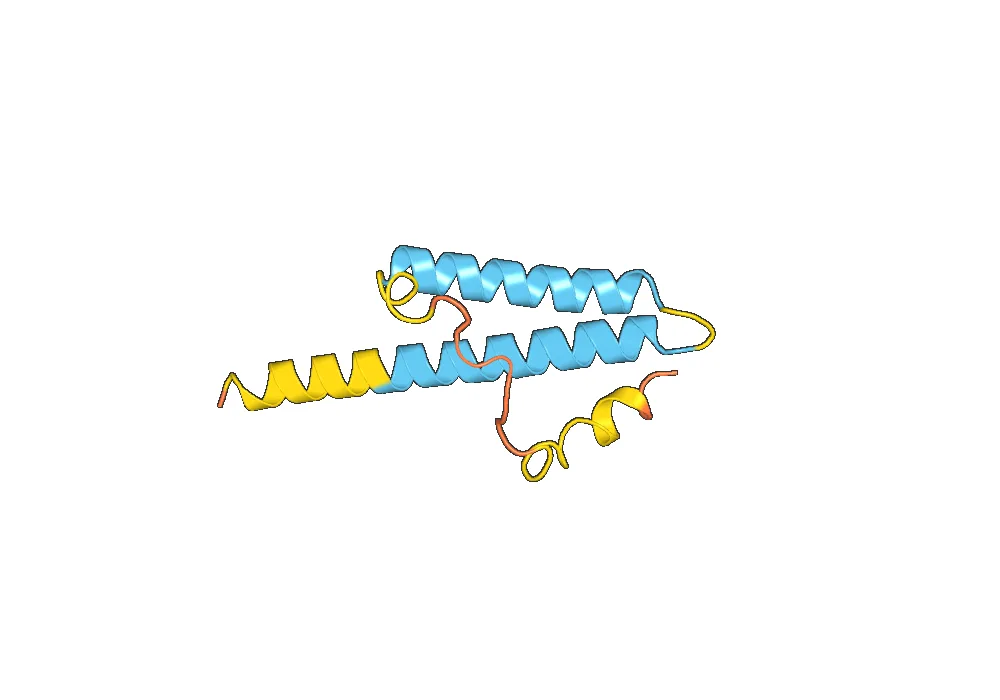
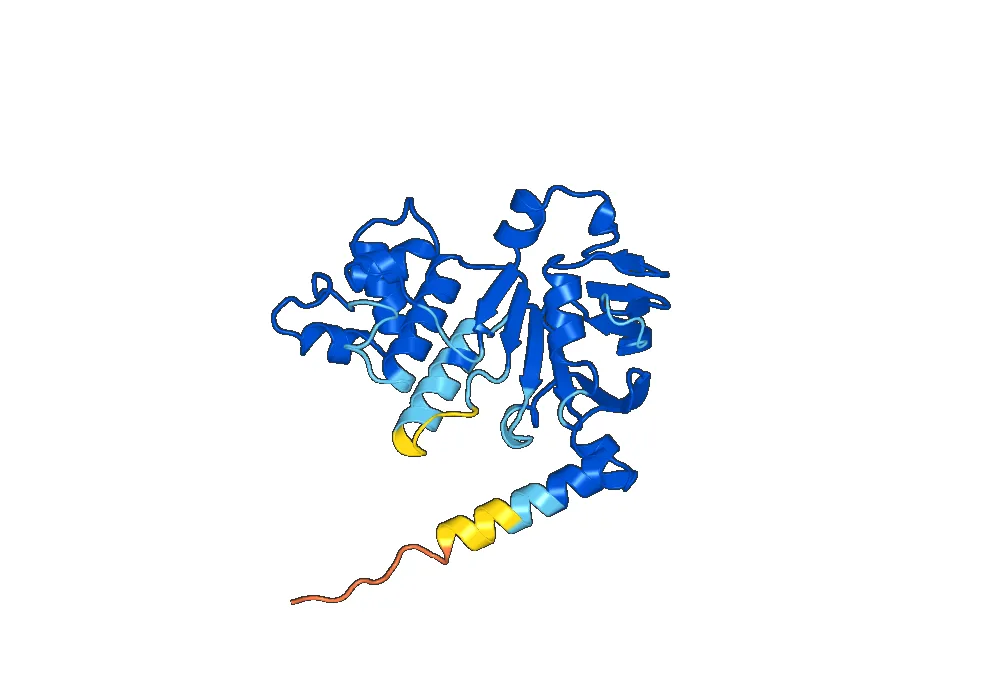
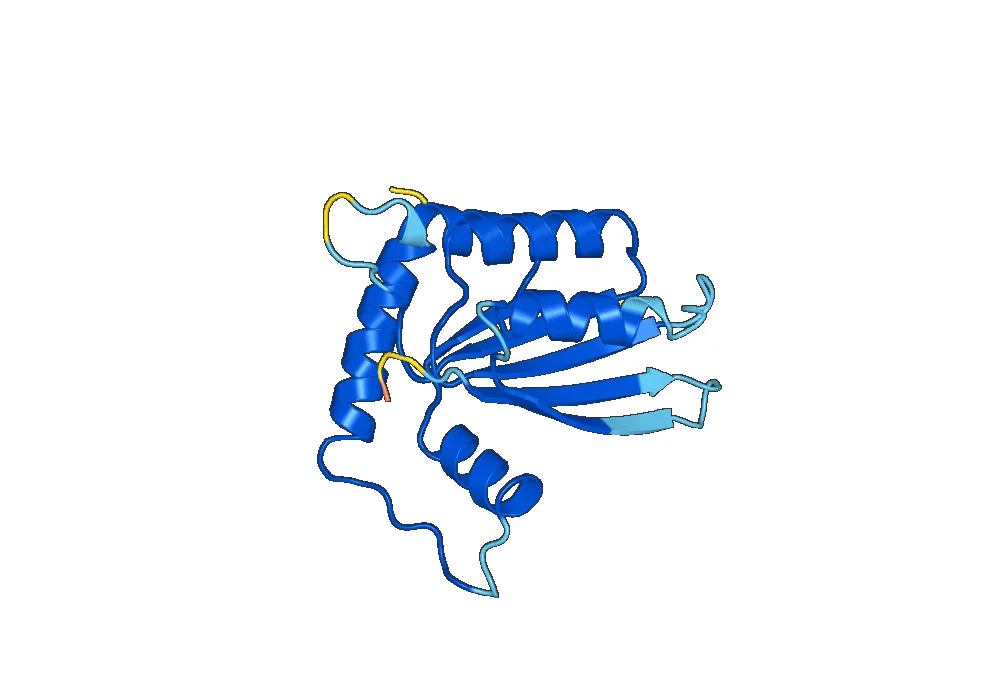
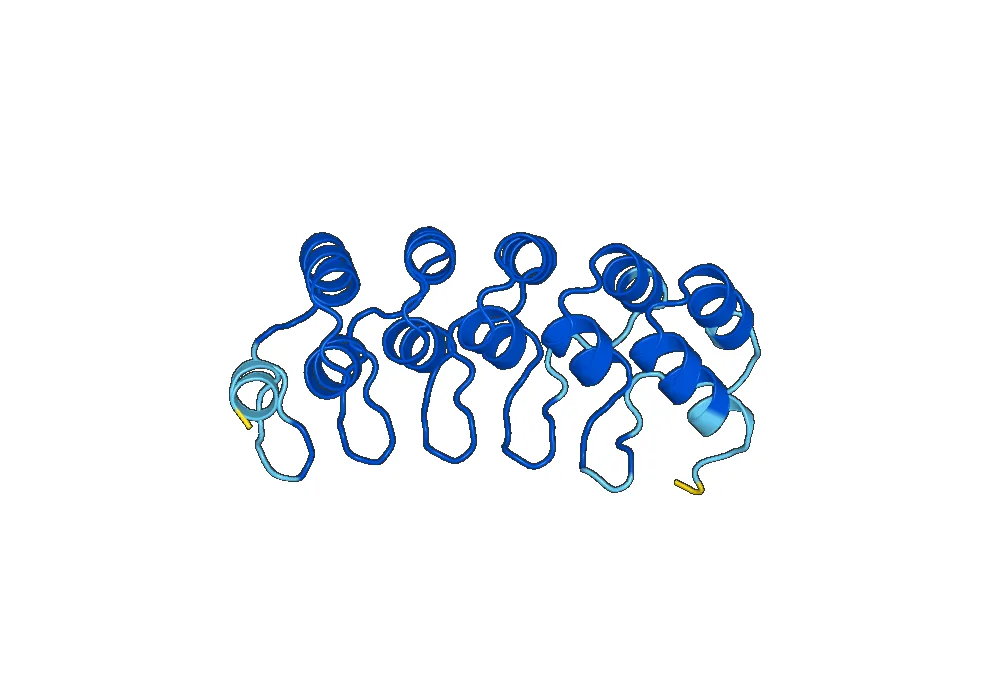
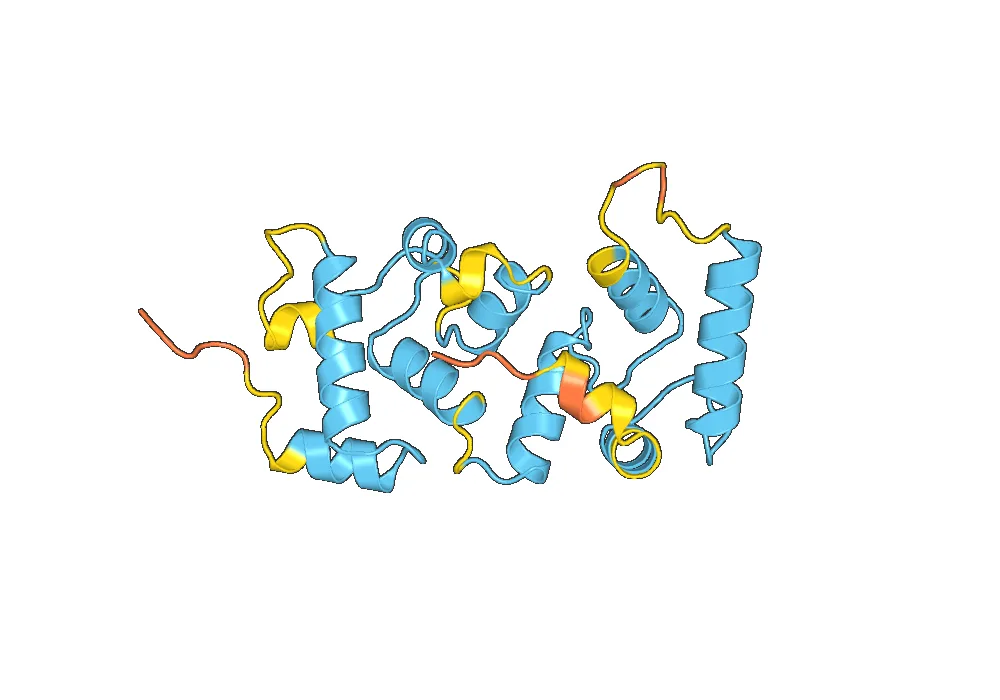
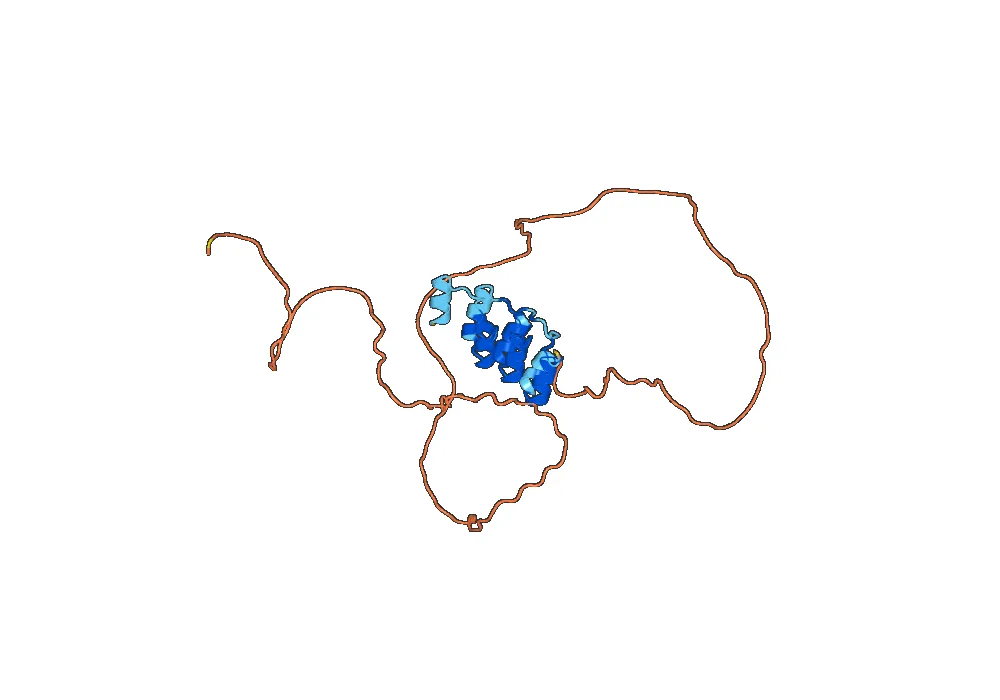
The Recombinant Human CDCA4 Protein is a 50 kDa protein consisting of 464 amino acids. It contains a conserved N-terminal domain and a C-terminal domain that is rich in proline and glutamine residues. The protein also has several phosphorylation sites, which are important for its activity.
Activity of Recombinant Human CDCA4 Protein
The main function of Recombinant Human CDCA4 Protein is to regulate cell division and proliferation. It does so by interacting with other proteins involved in cell cycle regulation, such as cyclin-dependent kinases (CDKs) and cyclins. This protein has been shown to be essential for proper cell division and is required for the accurate segregation of chromosomes during mitosis.
In addition to its role in cell division, Recombinant Human CDCA4 Protein has also been found to play a role in DNA repair. It interacts with other proteins involved in the DNA damage response, such as BRCA1 and BRCA2, and is thought to be involved in repairing double-strand breaks in DNA.
Application of Recombinant Human CDCA4 Protein
Recombinant Human CDCA4 Protein has a wide range of applications in both research and clinical settings. Some of the key applications include:
- Cell cycle research: Recombinant Human CDCA4 Protein is commonly used in studies related to cell cycle regulation. Its role in regulating cell division makes it a valuable tool for understanding the mechanisms underlying cell division and proliferation.
- Cancer research: Abnormal cell division is a hallmark of cancer, and Recombinant Human CDCA4 Protein has been found to be dysregulated in various types of cancer. Therefore, it is a potential target for cancer therapy and is also being studied as a biomarker for cancer diagnosis and prognosis.
- Drug development: Given its crucial role in cell division, Recombinant Human CDCA4 Protein is a promising target for the development of novel anti-cancer drugs. By targeting this protein, it may be possible to inhibit cell division and prevent the growth of cancer cells.
- Gene therapy: Recombinant Human CDCA4 Protein has also been used in gene therapy studies. By delivering the CDCA4 gene to cells, it may be possible to correct defects in cell division and restore normal cell function.
Conclusion
Recombinant Human CDCA4 Protein is a crucial protein involved in regulating cell division and proliferation. Its structure, activity, and applications make it a valuable tool for researchers studying cell cycle regulation, cancer, and other diseases. With further research, this protein may also have potential therapeutic applications in the treatment of various diseases.


There are no reviews yet.