Introduction
Recombinant proteins have become an essential tool in various fields of science, including medicine, biotechnology, and research. One such recombinant protein is Recombinant Human CASP6, which has gained significant attention due to its structure, activity, and potential applications. In this article, we will delve into the details of this protein and explore its role in various scientific fields.
Structure of Recombinant Human CASP6
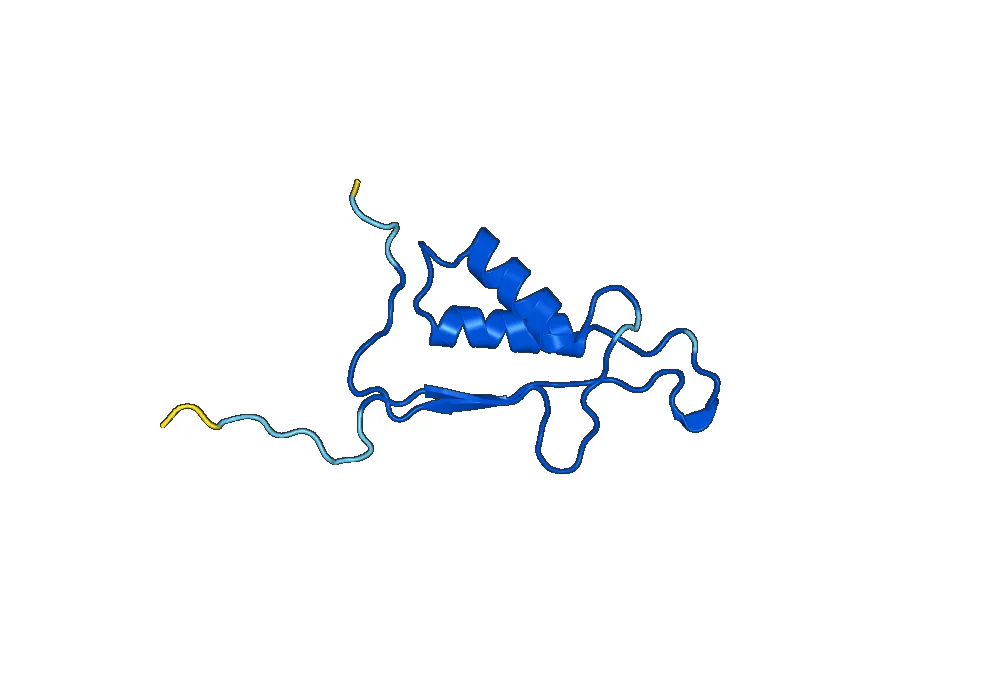
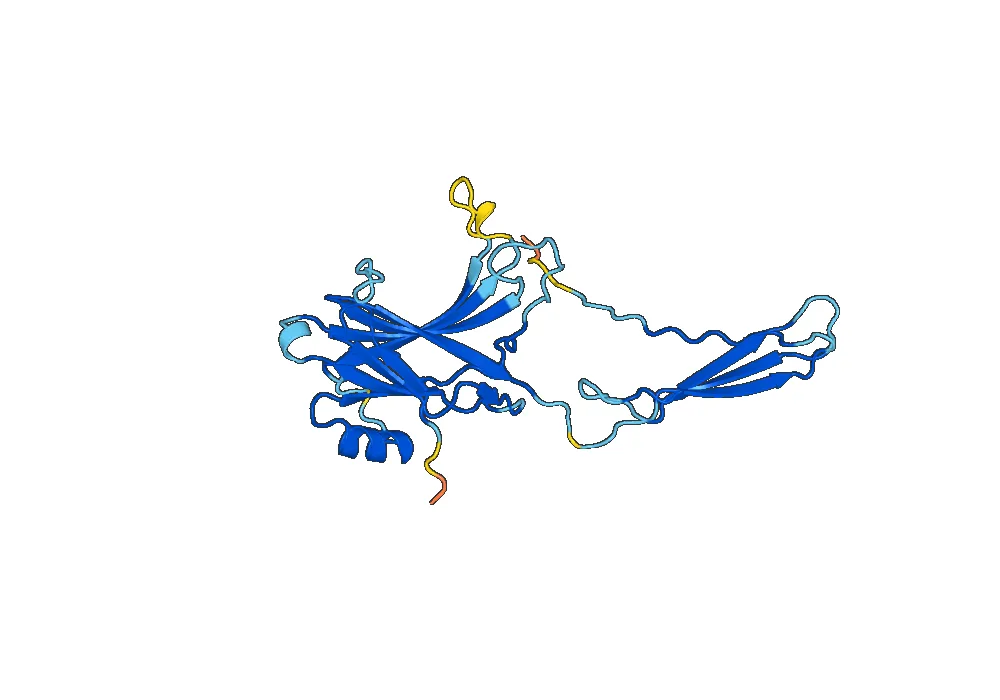
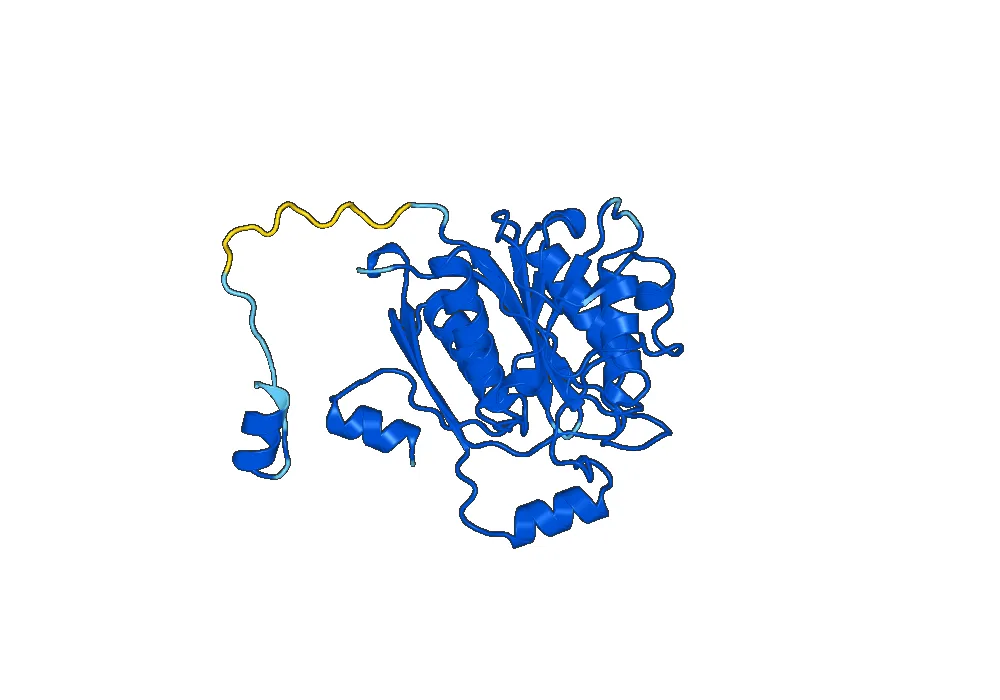
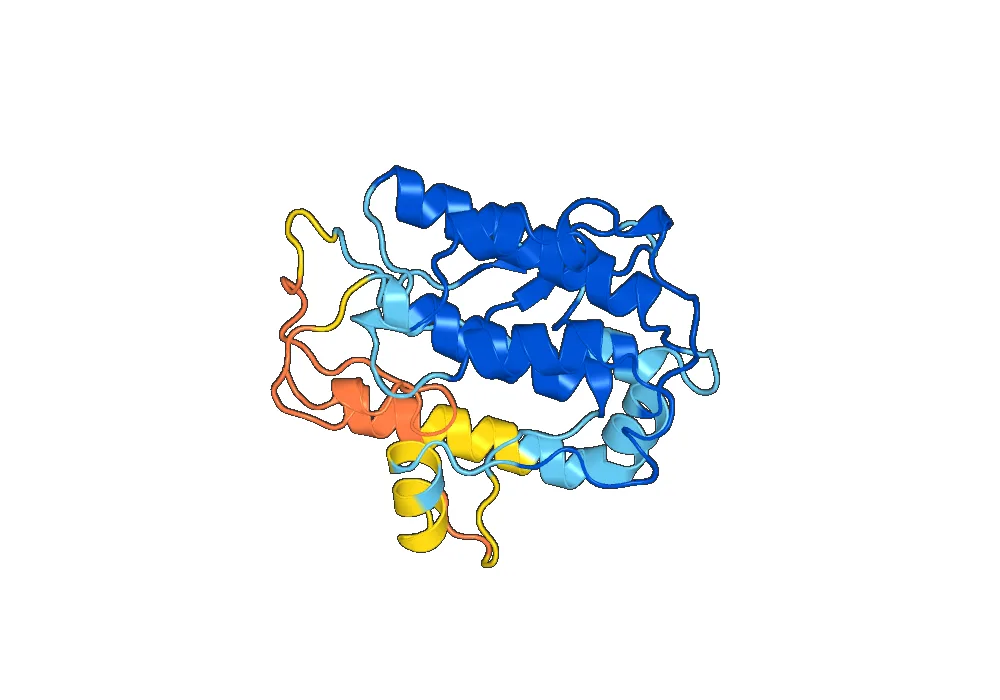
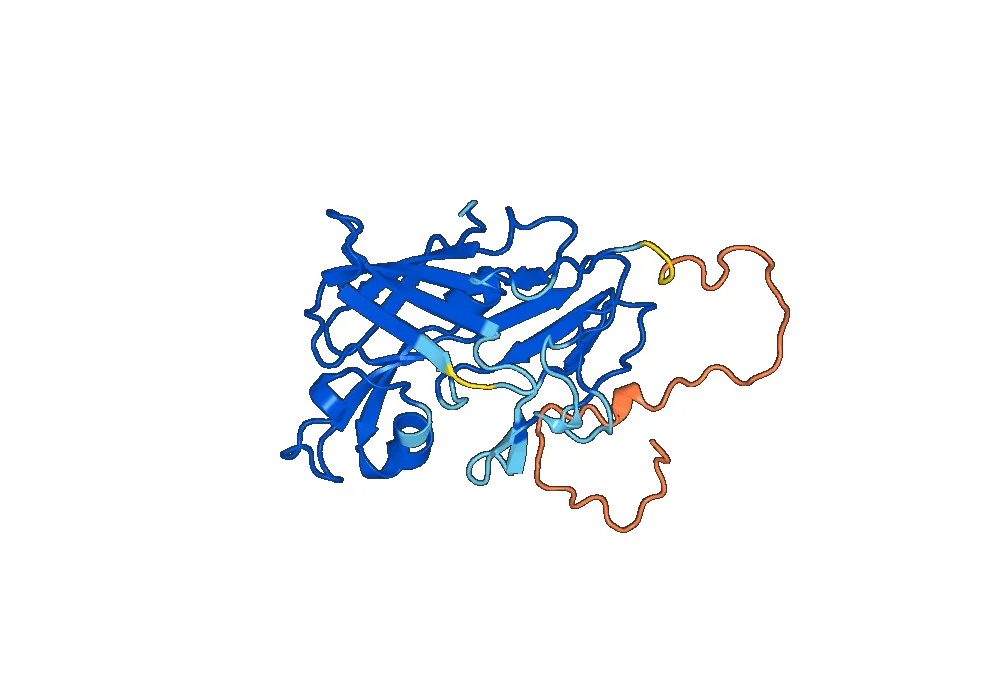
Recombinant Human CASP6, also known as Caspase 6, is a member of the caspase family of cysteine proteases. It is encoded by the CASP6 gene located on chromosome 4 in humans. The protein is composed of 303 amino acids and has a molecular weight of approximately 35 kDa. It contains a prodomain, a large subunit, and a small subunit, which are essential for its activity.
Activity of Recombinant Human CASP6
Recombinant Human CASP6 is primarily involved in the process of apoptosis, also known as programmed cell death. It plays a crucial role in the cleavage of various cellular substrates, leading to the activation of apoptosis. This protein is activated by proteolytic cleavage, which results in the formation of active caspase-6. Once activated, it can cleave various cellular proteins, including lamin A, fodrin, and alpha-spectrin, leading to the breakdown of the cell. Moreover, caspase-6 has also been found to play a role in neurodegenerative diseases, such as Alzheimer’s and Huntington’s disease, by cleaving specific proteins involved in these conditions.
Application of Recombinant Human CASP6
The unique structure and activity of Recombinant Human CASP6 make it a valuable tool in various scientific applications. One of its primary uses is in drug discovery and development. As caspase-6 is involved in apoptosis, it has been targeted as a potential therapeutic target for various diseases, including cancer. Recombinant Human CASP6 has also been used in research to study the mechanism of apoptosis and the role of caspase-6 in different cellular pathways. Additionally, this protein has been used in diagnostic assays to detect the activity of caspase-6 in various diseases, making it a potential biomarker for certain conditions.
Conclusion
In summary, Recombinant Human CASP6 is a recombinant protein with a crucial role in apoptosis and potential applications in various scientific fields. Its unique structure and activity make it a valuable tool for drug discovery, research, and diagnostics. As more studies are conducted on this protein, its potential in different areas of science is likely to increase, making it an essential protein in the scientific community.


There are no reviews yet.