Introduction
The Recombinant Human CADM3/NECL-1/TSLL1 Protein, also known as TSLC1-like protein 1, is a member of the immunoglobulin superfamily of cell adhesion molecules. It is a type I transmembrane protein that is encoded by the CADM3 gene. This protein plays a crucial role in cell adhesion, migration, and signaling, making it a valuable tool for various scientific applications.
Structure
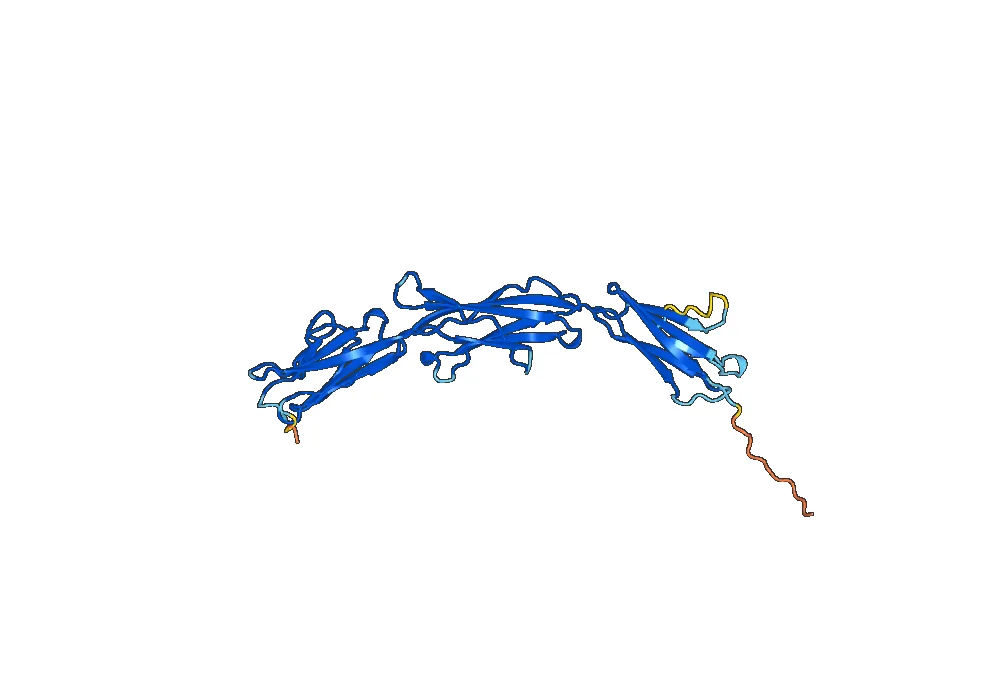
The Recombinant Human CADM3/NECL-1/TSLL1 Protein is composed of 429 amino acids, with a predicted molecular weight of approximately 47 kDa. It contains an extracellular domain, a transmembrane domain, and a cytoplasmic tail. The extracellular domain consists of two immunoglobulin-like domains, which are responsible for mediating protein-protein interactions. The transmembrane domain anchors the protein to the cell membrane, while the cytoplasmic tail contains signaling motifs that are involved in intracellular signaling pathways.
Activity
The Recombinant Human CADM3/NECL-1/TSLL1 Protein is a cell adhesion molecule that plays a crucial role in various cellular processes. It is primarily expressed in the brain, with high levels found in the hippocampus, amygdala, and cerebellum. This protein is involved in the formation and maintenance of synapses, which are essential for proper brain function. It also plays a role in cell migration and axon guidance, making it a critical protein in the development and maintenance of the nervous system.
Furthermore, the Recombinant Human CADM3/NECL-1/TSLL1 Protein is involved in immune responses. It is expressed on the surface of immune cells, such as T cells and natural killer cells, and plays a role in the recognition and elimination of infected or abnormal cells. It also regulates the activation and proliferation of immune cells, making it a potential target for immunotherapy.
Application
The Recombinant Human CADM3/NECL-1/TSLL1 Protein has various applications in the field of neuroscience, immunology, and cancer research. In neuroscience, it can be used to study synapse formation and function, as well as neuronal development and plasticity. It can also be used to investigate the role of cell adhesion molecules in neurological disorders such as autism and schizophrenia.
In immunology, the Recombinant Human CADM3/NECL-1/TSLL1 Protein can be used to study immune cell activation and proliferation. It can also be used to develop therapies for autoimmune diseases and cancer. The protein’s role in immune responses makes it a potential target for immunotherapy, where it can be used to modulate immune cell activity and enhance anti-tumor responses.
Additionally, the Recombinant Human CADM3/NECL-1/TSLL1 Protein can be used as an antigen in antibody production. Antibodies against this protein can be used for diagnostic purposes, such as detecting CADM3 expression in cancer cells. They can also be used in cancer treatment, where they can target and kill cancer cells expressing high levels of CADM3.
Conclusion
The Recombinant Human CADM3/NECL-1/TSLL1 Protein is a versatile protein with a wide range of applications in various scientific fields. Its role in cell adhesion, migration, and signaling makes it a valuable tool for studying various cellular processes. It also has potential applications in the development of therapies for neurological disorders, autoimmune diseases, and cancer. With its diverse functions and potential, this protein continues to be a subject of interest for many researchers and scientists.

There are no reviews yet.