Introduction to Recombinant Human BCOR Protein
Recombinant Human BCOR Protein, also known as BCL-6 interacting corepressor, is a protein that plays a crucial role in gene regulation and development. It is a 1,444 amino acid protein that is encoded by the BCOR gene located on chromosome X. This protein is involved in various cellular processes such as chromatin remodeling, transcriptional repression, and cell differentiation. In this article, we will discuss the structure, activity, and applications of Recombinant Human BCOR Protein.
Structure of Recombinant Human BCOR Protein
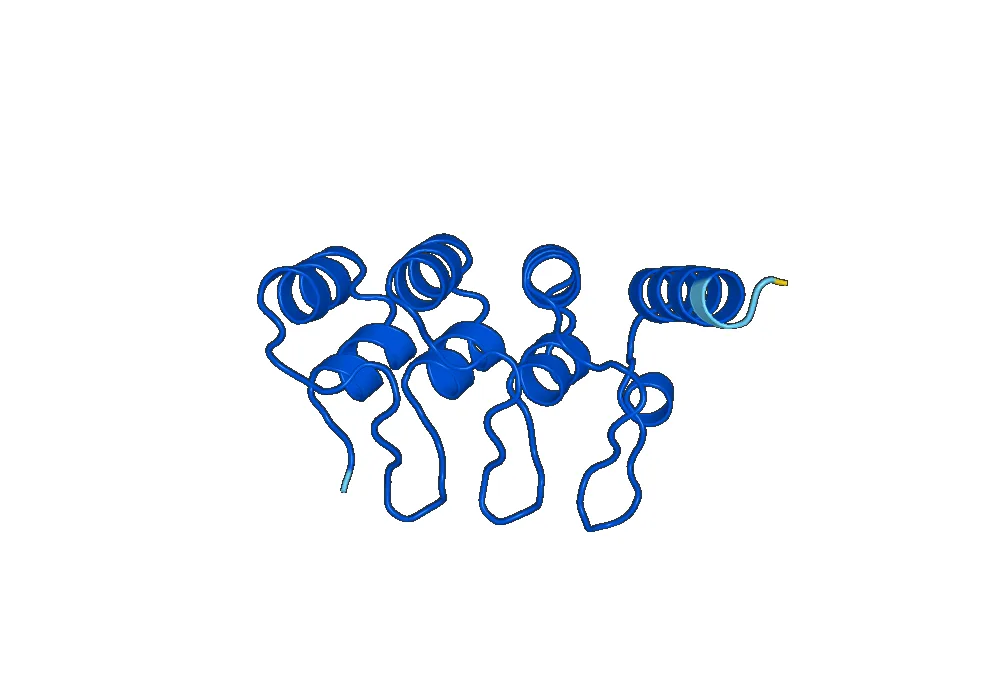
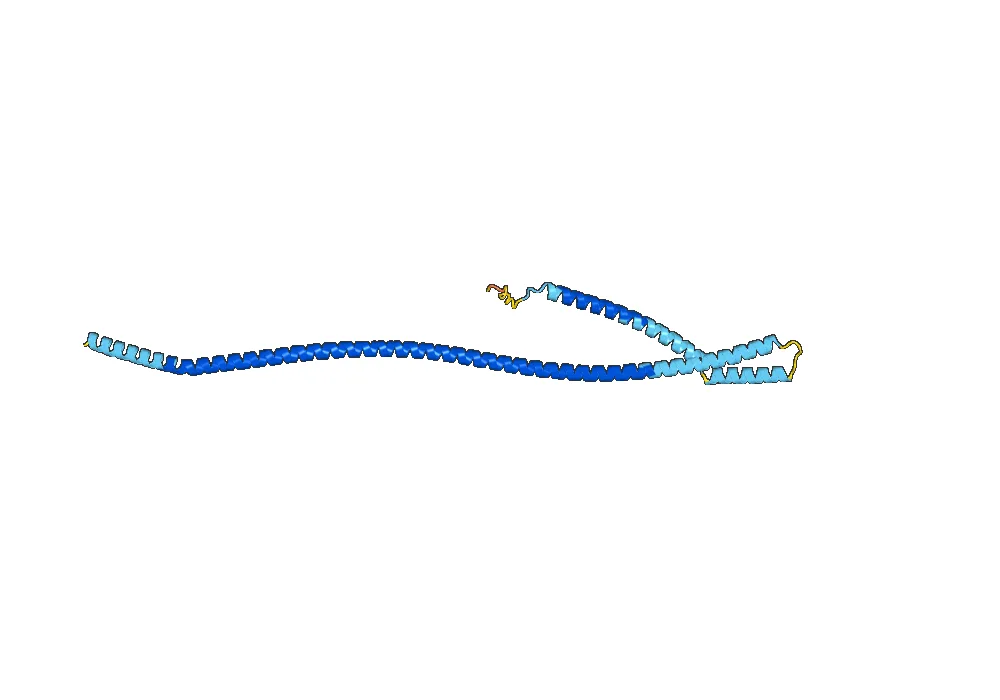
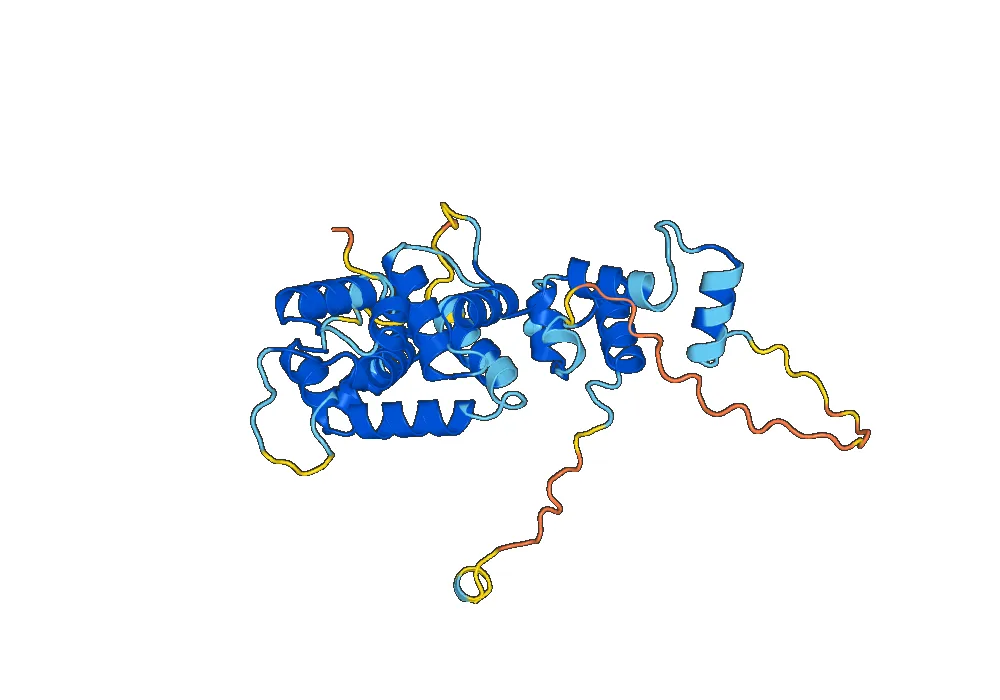
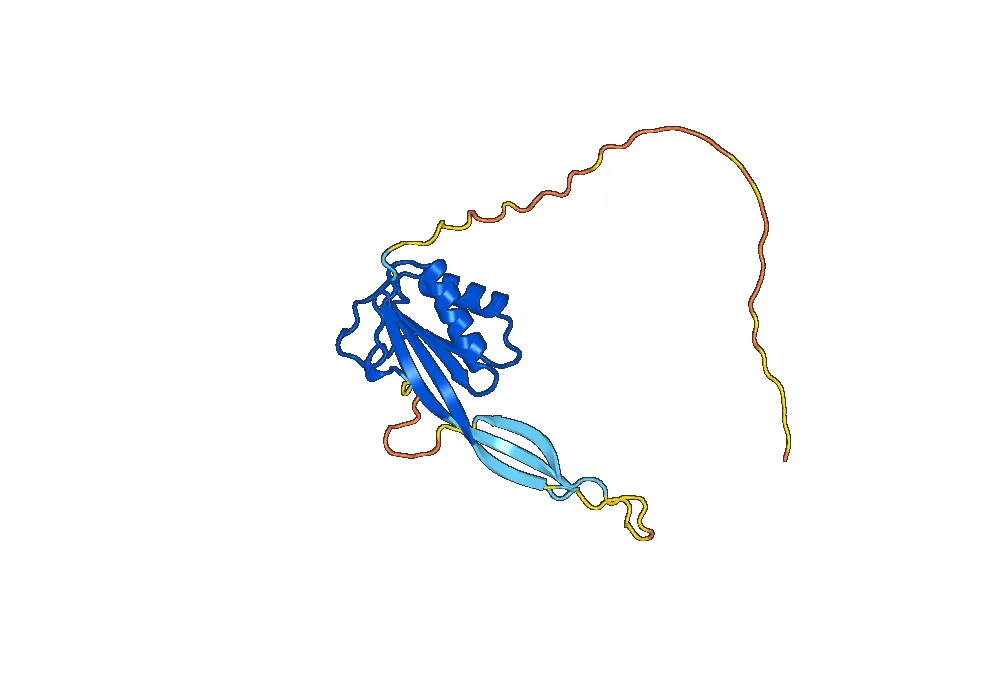
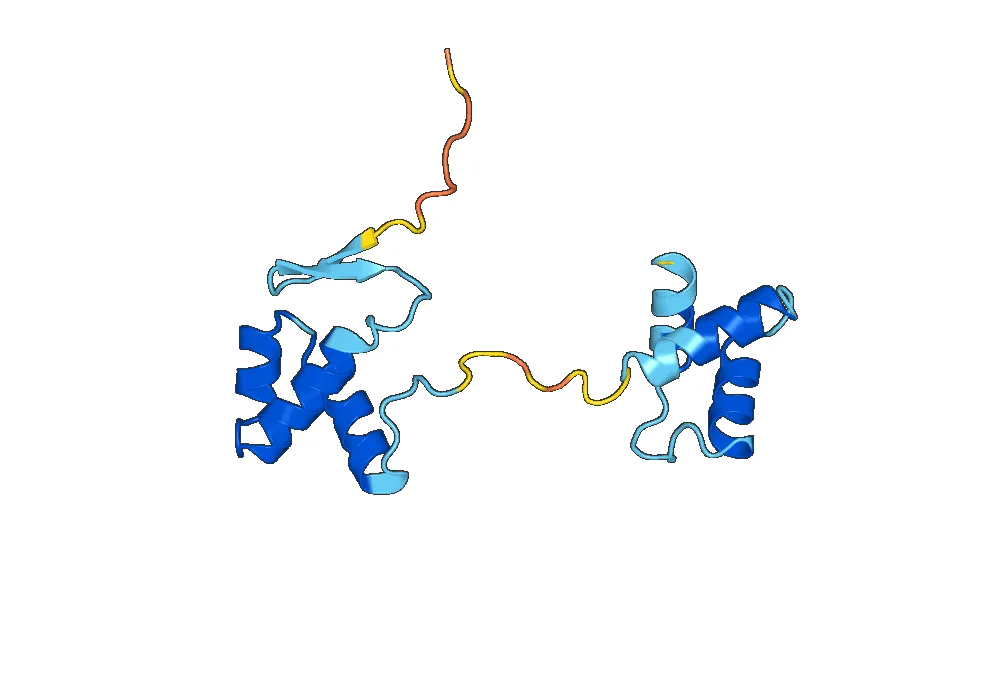
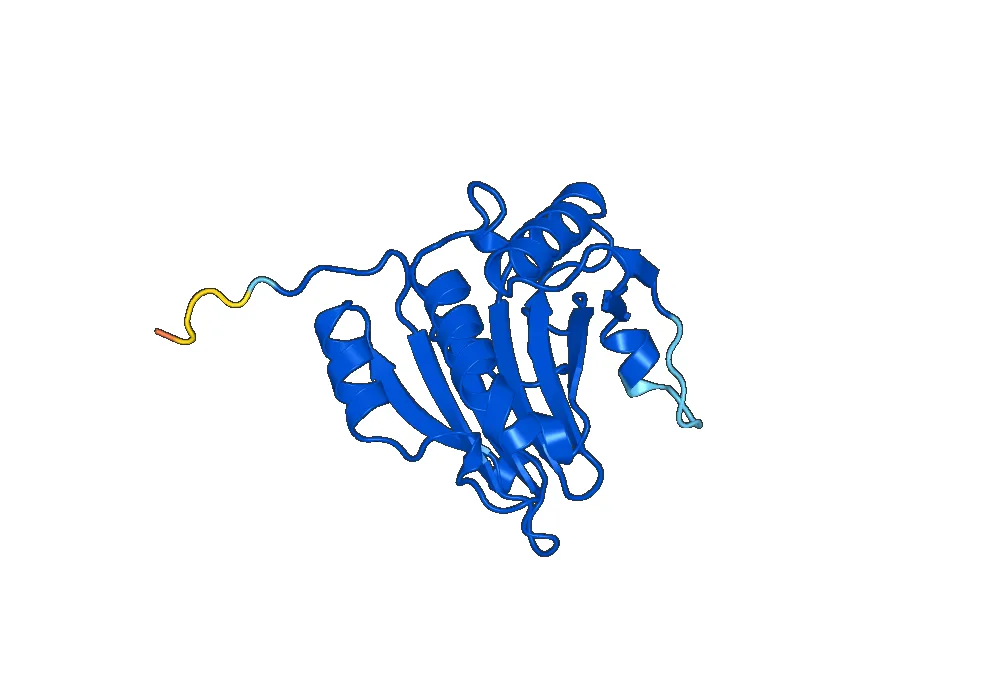
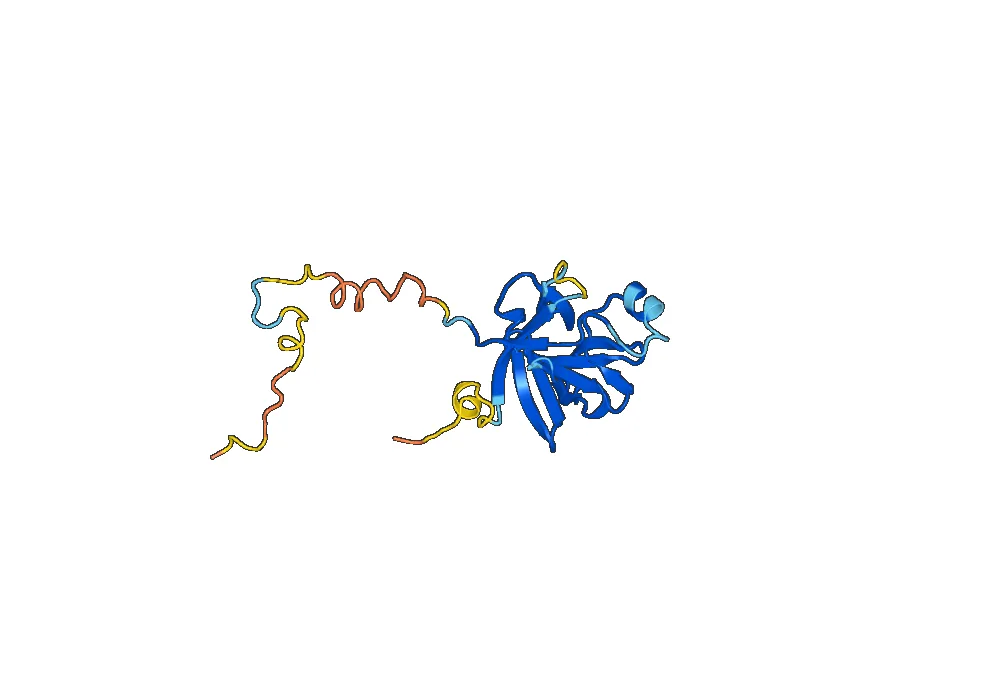
Recombinant Human BCOR Protein is a large protein with a molecular weight of approximately 160 kDa. It consists of several domains that are essential for its function. The N-terminal region of the protein contains two PHD zinc fingers, which are involved in protein-protein interactions. The central region of the protein contains a transcriptional repression domain, which is responsible for its role in gene regulation. The C-terminal region of the protein contains a plant homeodomain (PHD) and a bromodomain, which are involved in chromatin remodeling. The structure of Recombinant Human BCOR Protein is highly conserved among different species, indicating its importance in cellular processes.
Activity of Recombinant Human BCOR Protein
Recombinant Human BCOR Protein has been shown to have a diverse range of activities in various cellular processes. It acts as a transcriptional repressor by interacting with other proteins such as BCL-6 and HDAC3, which are involved in chromatin remodeling and gene regulation. This protein also plays a crucial role in cell differentiation by regulating the expression of genes involved in cell fate determination. Additionally, Recombinant Human BCOR Protein has been found to be involved in DNA repair and maintenance of genomic stability.
One of the most important activities of Recombinant Human BCOR Protein is its role in epigenetic regulation. This protein has been shown to interact with histone deacetylases (HDACs) and histone methyltransferases (HMTs) to regulate gene expression through chromatin modification. It also plays a role in DNA methylation, which is essential for proper gene expression and development.
Applications of Recombinant Human BCOR Protein
The unique structure and diverse activities of Recombinant Human BCOR Protein make it a valuable tool in various research applications. One of the most common applications of this protein is in studying gene regulation and epigenetics. Its role in chromatin remodeling and transcriptional repression makes it a useful tool in understanding the mechanisms of gene expression and regulation.
Recombinant Human BCOR Protein has also been used in cancer research, as it has been found to be involved in the development of certain types of cancer. Studies have shown that mutations in the BCOR gene can lead to the development of acute myeloid leukemia and other types of cancer. Therefore, this protein can be used as a potential target for cancer therapy.
Furthermore, Recombinant Human BCOR Protein has been used in drug discovery and development. Its role in epigenetic regulation makes it a potential target for developing drugs that can modulate gene expression and treat diseases such as cancer and other genetic disorders.
Conclusion
In conclusion, Recombinant Human BCOR Protein is a crucial protein involved in various cellular processes such as gene regulation, chromatin remodeling, and cell differentiation. Its unique structure and diverse activities make it a valuable tool in research applications related to gene regulation, epigenetics, and cancer. With further research and understanding of its role in cellular processes, Recombinant Human BCOR Protein has the potential to be a target for therapeutic interventions in various diseases.


There are no reviews yet.