Introduction to Recombinant Human ARHGAP5 Protein
Recombinant Human ARHGAP5 Protein, also known as Rho GTPase-activating protein 5, is a protein that plays a crucial role in regulating the activity of Rho family GTPases. These GTPases are essential for various cellular processes such as cell migration, proliferation, and differentiation. The ARHGAP5 protein is involved in the inactivation of Rho GTPases, thereby controlling their signaling pathways and ultimately affecting cell behavior.
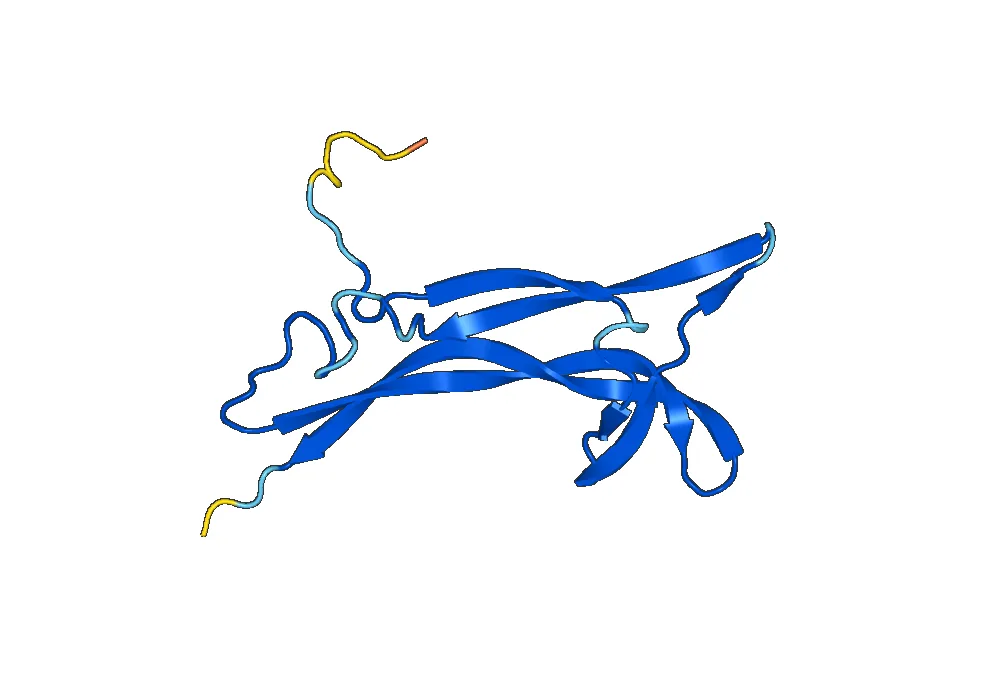
Structure of Recombinant Human ARHGAP5 Protein
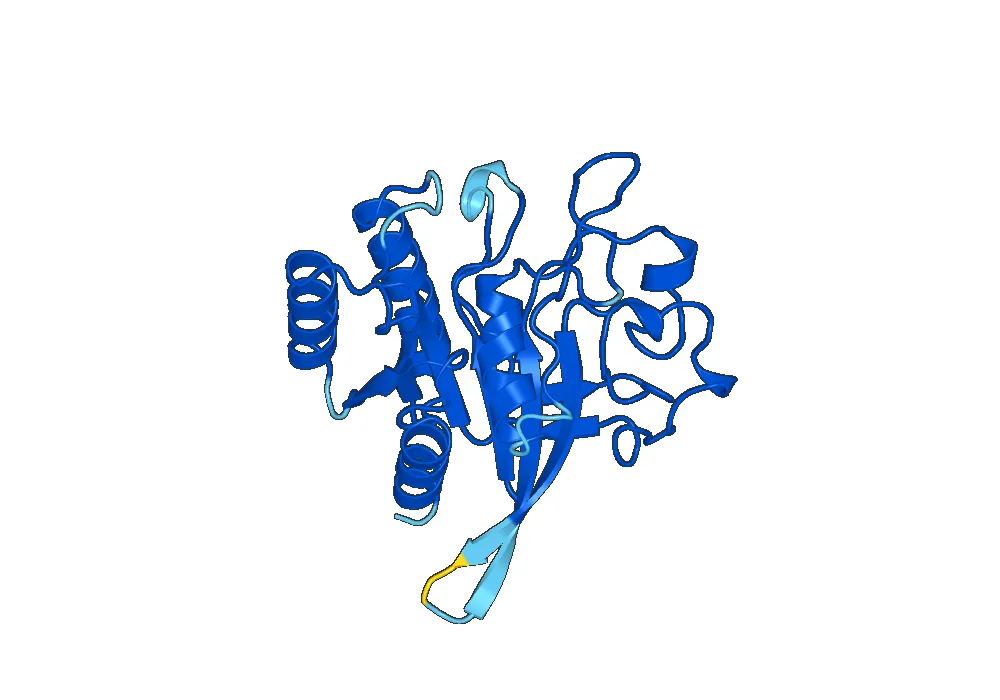
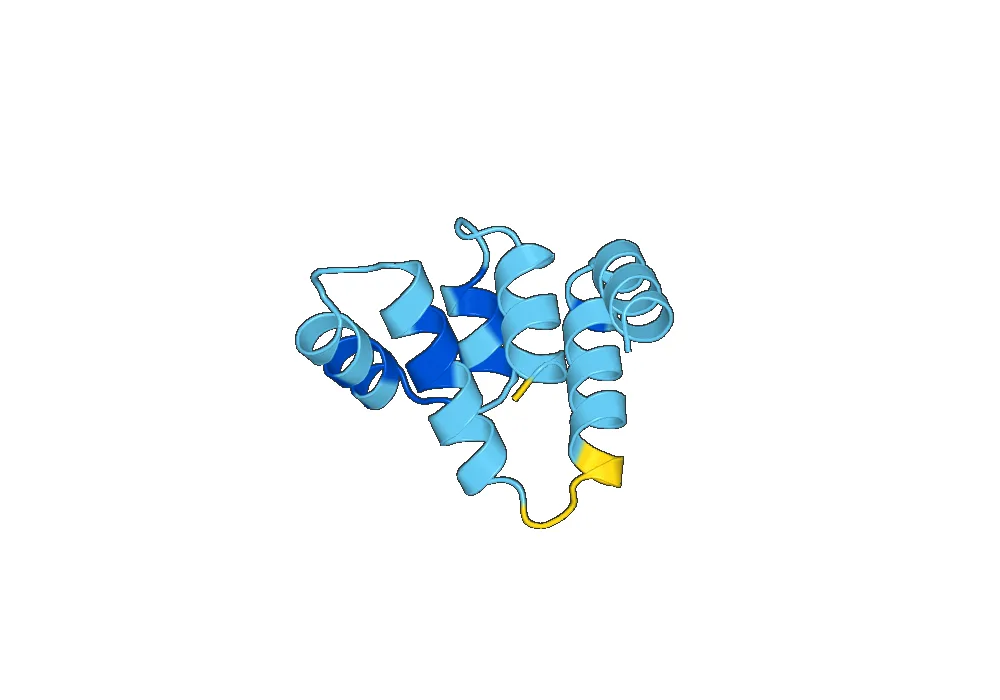
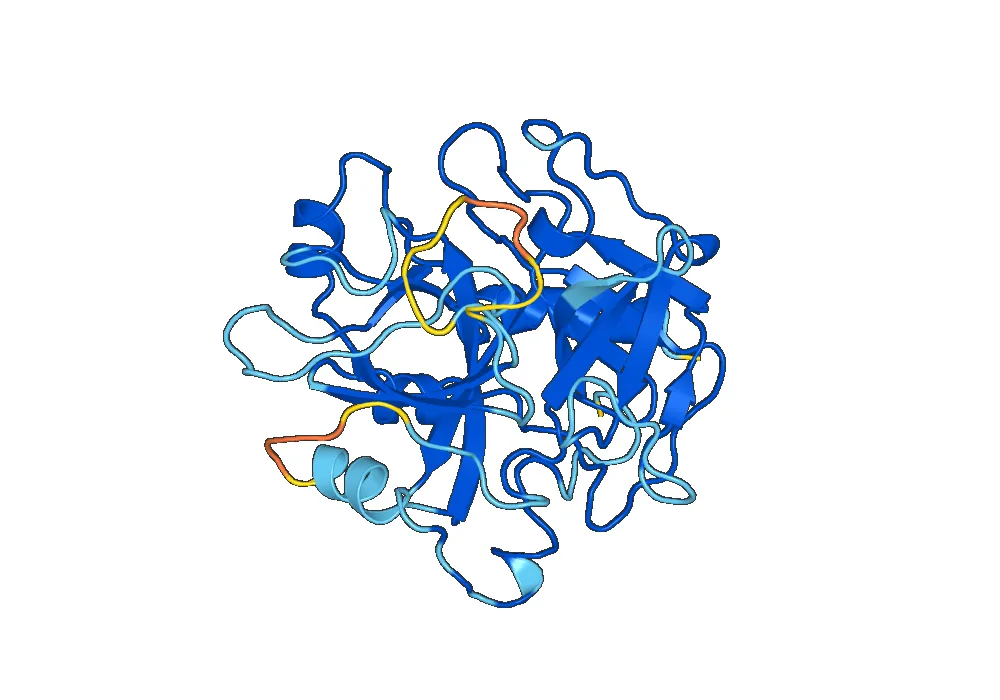
The recombinant human ARHGAP5 protein is a 120 kDa protein composed of 1083 amino acids. It contains a central RhoGAP domain, which is responsible for its GTPase-activating function. This domain is flanked by an N-terminal SH3 domain and a C-terminal PH domain, both of which are involved in protein-protein interactions. The SH3 domain binds to proline-rich motifs in other proteins, while the PH domain interacts with phospholipids in the cell membrane.
The protein also contains a C-terminal coiled-coil domain, which is responsible for its dimerization. This dimerization is essential for the protein’s function as it allows for the formation of a stable complex with its target Rho GTPases.
Activity of Recombinant Human ARHGAP5 Protein
The main activity of recombinant human ARHGAP5 protein is its GTPase-activating function. This protein binds to and stimulates the intrinsic GTPase activity of Rho GTPases, leading to their inactivation. This activity is crucial for regulating the activity of Rho GTPases, as their overactivation can lead to various diseases, including cancer and neurological disorders.
Additionally, the ARHGAP5 protein also plays a role in cell adhesion and migration. It interacts with components of the cell adhesion complex, such as vinculin and paxillin, and regulates their activity. This, in turn, affects the dynamics of the actin cytoskeleton, which is essential for cell movement and migration.
Application of Recombinant Human ARHGAP5 Protein
The recombinant human ARHGAP5 protein has various applications in both research and clinical settings. Its role in regulating Rho GTPases makes it a valuable tool for studying the signaling pathways involved in cell migration, proliferation, and differentiation. Researchers can use this protein to manipulate the activity of Rho GTPases and study their effects on cellular processes.
In a clinical setting, the ARHGAP5 protein has potential as a therapeutic target for diseases caused by dysregulated Rho GTPase signaling. By inhibiting the activity of this protein, it may be possible to prevent the overactivation of Rho GTPases and treat diseases such as cancer and neurological disorders.
Moreover, the ARHGAP5 protein has also been linked to various human diseases, including Alzheimer’s disease and Parkinson’s disease. By studying its role in these diseases, researchers may gain a better understanding of their underlying mechanisms and develop potential treatments.
Conclusion
Recombinant Human ARHGAP5 Protein is a crucial protein involved in regulating the activity of Rho family GTPases. Its structure, activity, and applications make it a valuable tool in both research and clinical settings. With further studies, this protein may hold the key to understanding and treating various human diseases.




There are no reviews yet.