Introduction
Recombinant Human ALKBH4 Protein, also known as AlkB homolog 4, is a protein that is encoded by the ALKBH4 gene. This protein belongs to the AlkB family of proteins, which are involved in DNA and RNA repair processes. Recombinant Human ALKBH4 Protein is produced through recombinant DNA technology, making it a valuable tool for scientific research and applications in various fields.
Structure of Recombinant Human ALKBH4 Protein
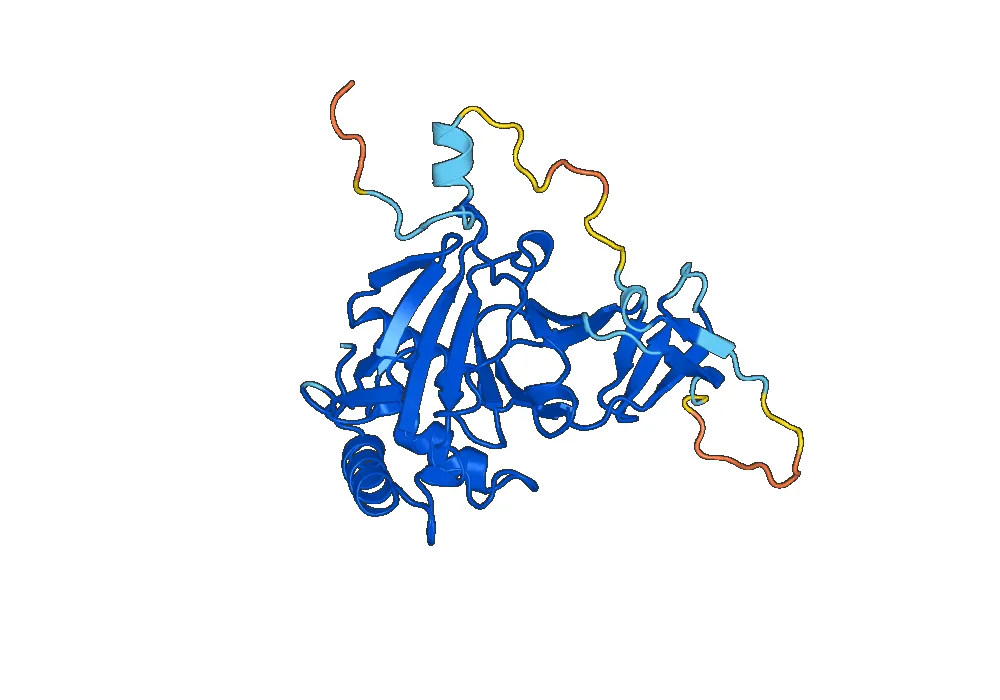
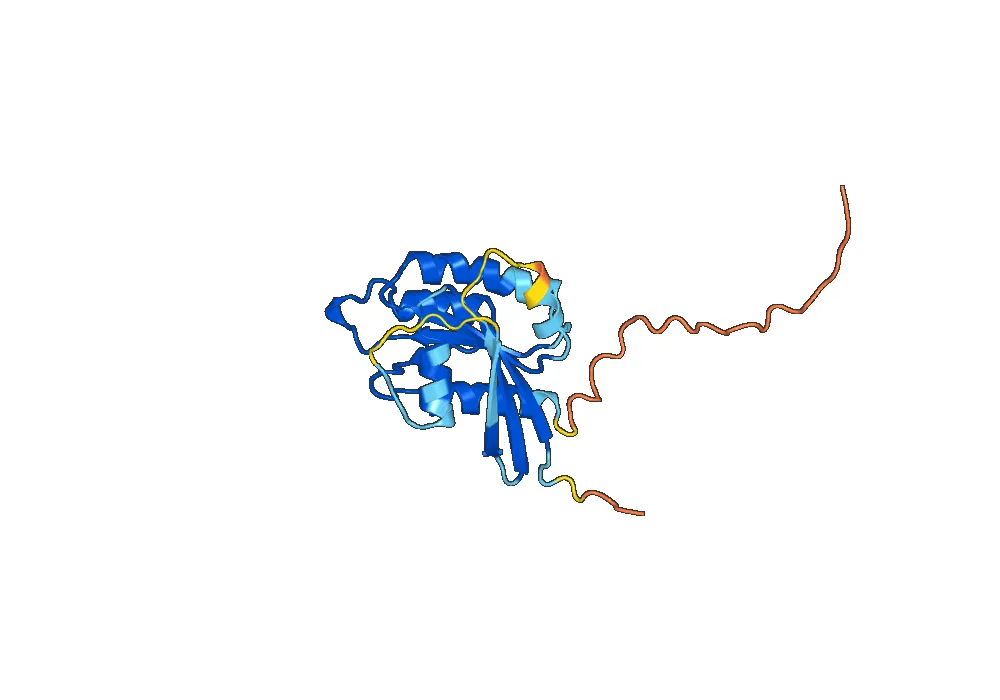
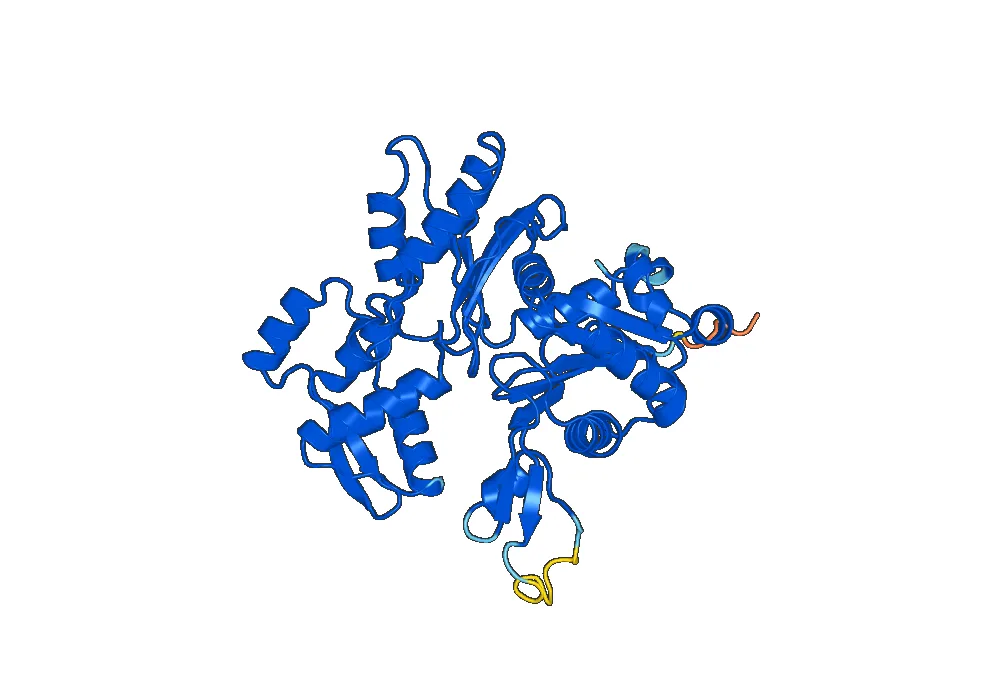
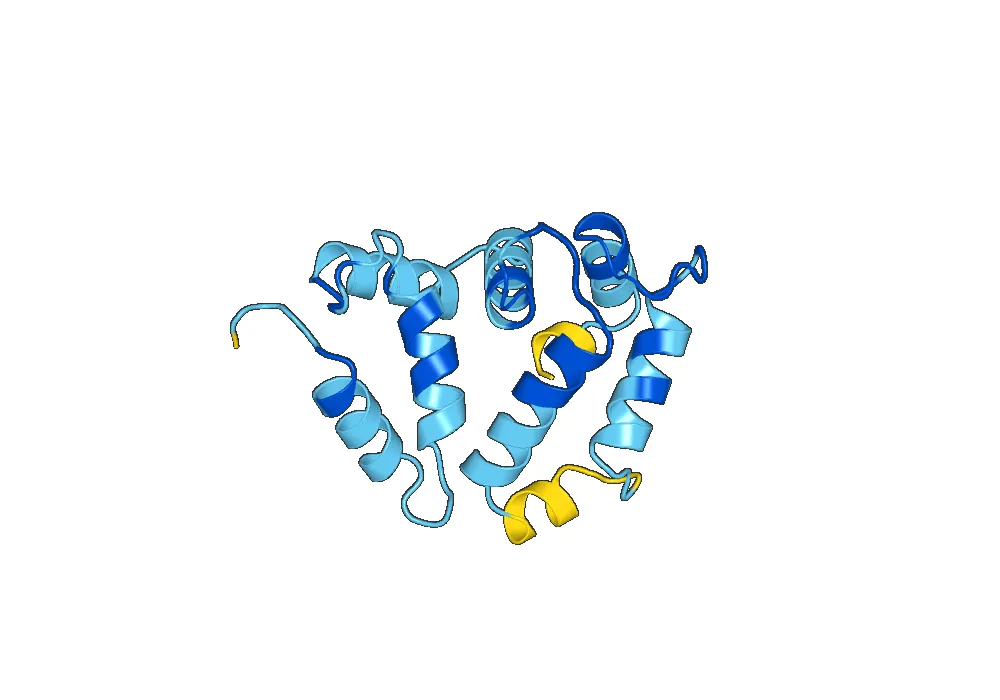
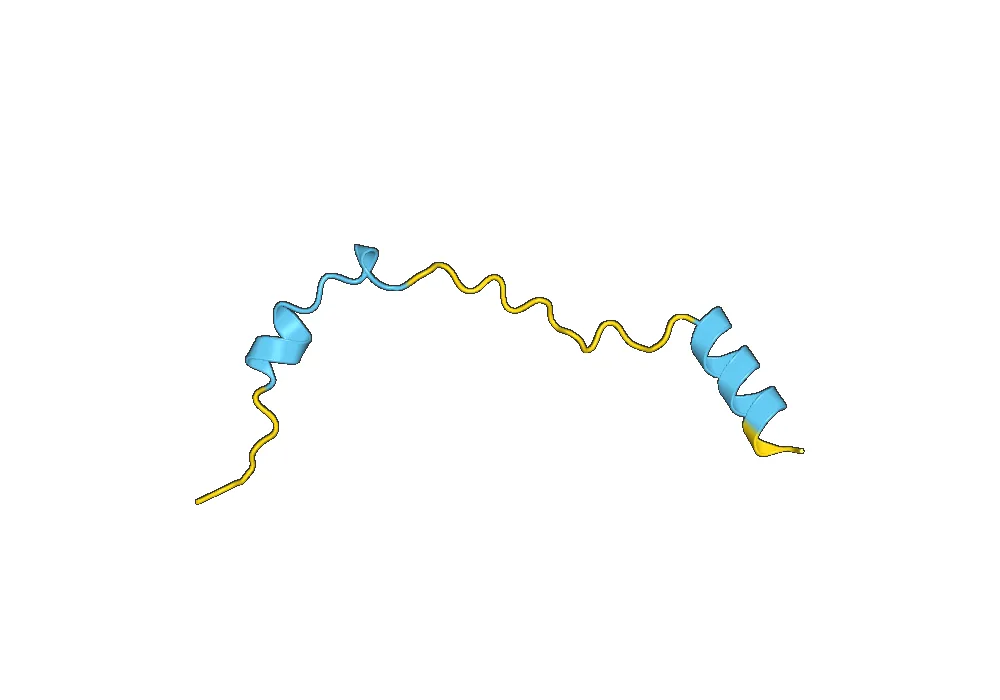
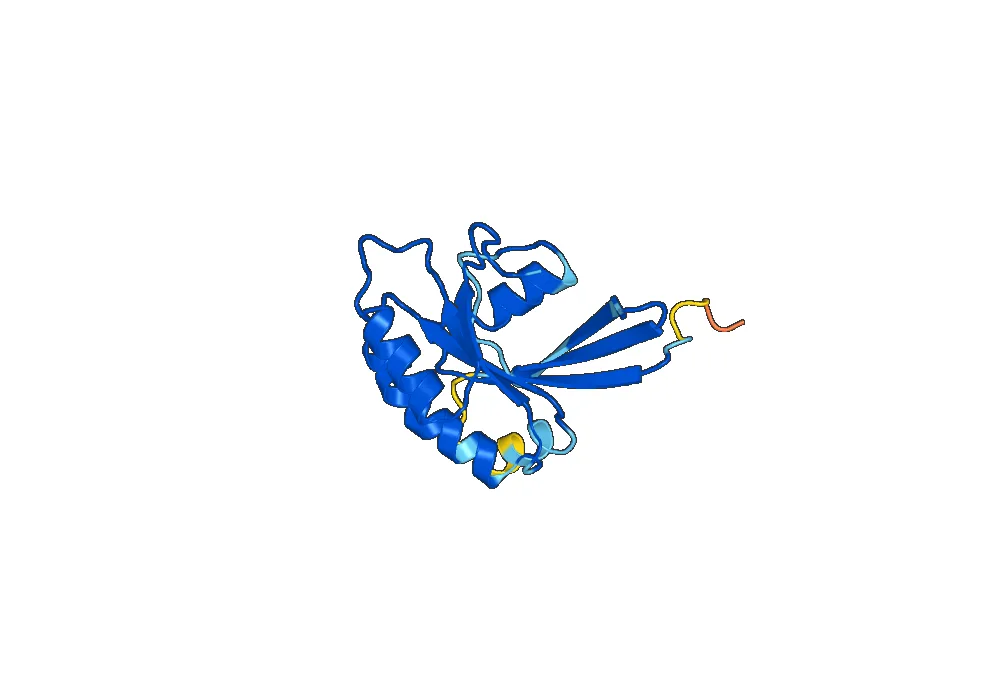
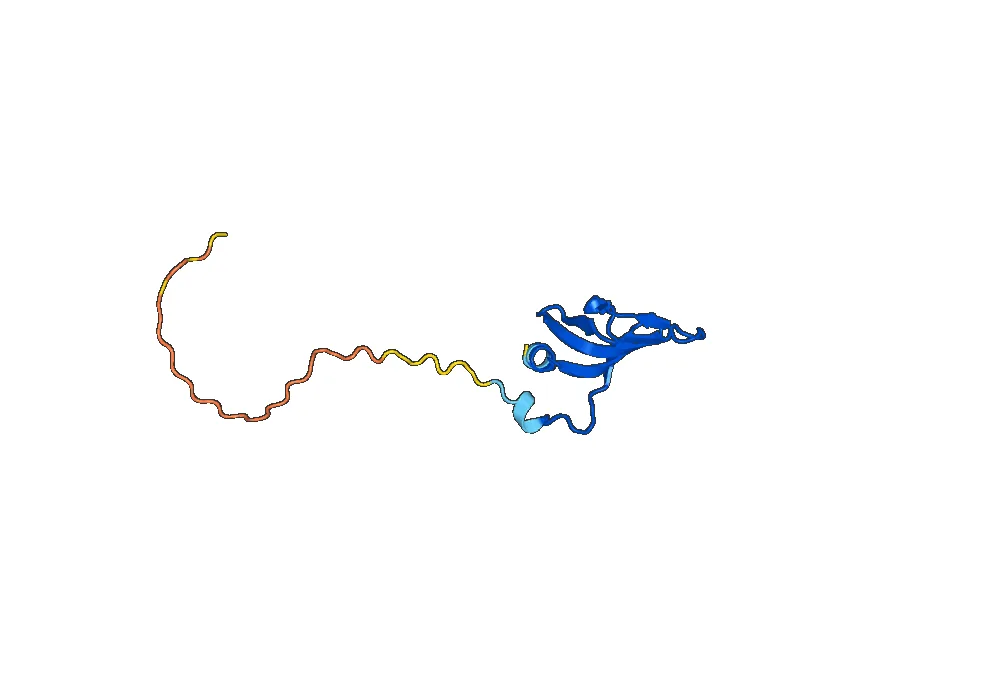
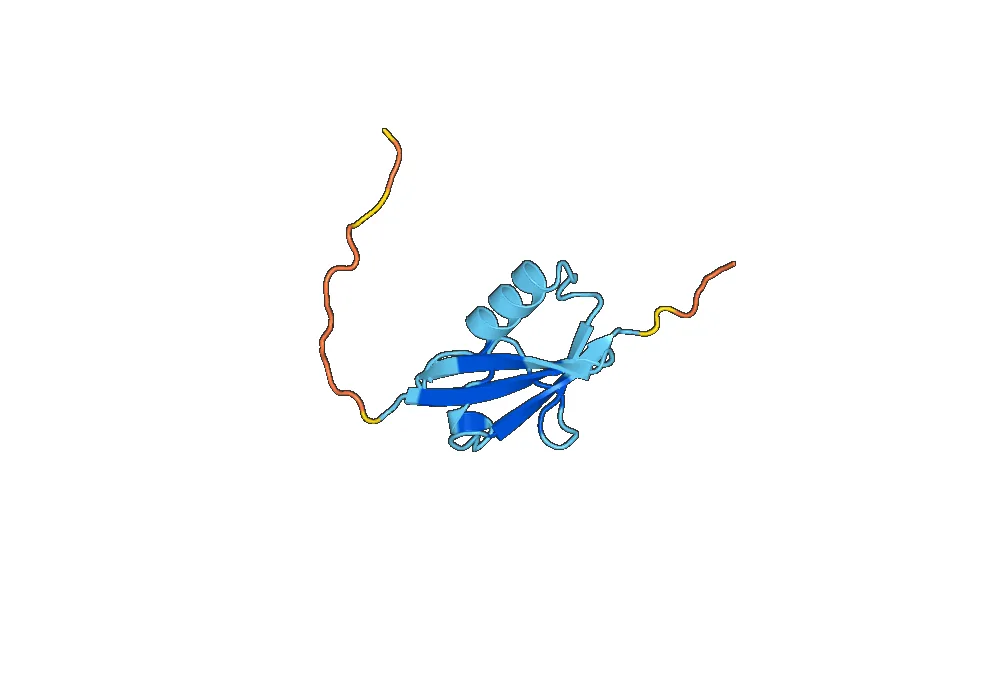
Recombinant Human ALKBH4 Protein is composed of 359 amino acids and has a molecular weight of 40.7 kDa. The protein contains a conserved Fe(II)- and 2-oxoglutarate-dependent dioxygenase domain, which is essential for its enzymatic activity. This domain is responsible for the protein’s ability to catalyze the oxidative demethylation of alkylated DNA and RNA bases.
The structure of Recombinant Human ALKBH4 Protein also includes a C-terminal domain that is involved in protein-protein interactions. This domain is important for the protein’s function in DNA repair and maintenance of genomic stability.
Activity of Recombinant Human ALKBH4 Protein
Recombinant Human ALKBH4 Protein is an important enzyme involved in DNA and RNA repair processes. It specifically targets alkylated bases, which are formed as a result of exposure to environmental toxins, UV radiation, and certain chemotherapeutic drugs.
The protein’s activity is dependent on the presence of Fe(II) and 2-oxoglutarate, which act as co-factors in the oxidative demethylation reaction. Recombinant Human ALKBH4 Protein catalyzes the removal of methyl and ethyl groups from alkylated bases, restoring the original structure of the DNA or RNA molecule.
In addition to its role in DNA and RNA repair, Recombinant Human ALKBH4 Protein has also been found to play a role in regulating gene expression. It has been shown to interact with other proteins involved in transcription and translation, suggesting a potential role in gene regulation.
Applications of Recombinant Human ALKBH4 Protein
The unique properties and activities of Recombinant Human ALKBH4 Protein make it a valuable tool for various scientific applications. Some of the potential applications of this protein include:
1. DNA and RNA repair studies
Recombinant Human ALKBH4 Protein is widely used in studies involving DNA and RNA repair processes. Its ability to specifically target alkylated bases makes it a valuable tool for understanding the mechanisms of DNA damage and repair.
2. Drug discovery and development
The involvement of Recombinant Human ALKBH4 Protein in DNA repair and gene regulation has made it a potential target for drug discovery and development. Researchers are investigating the protein’s role in various diseases, such as cancer, and exploring its potential as a therapeutic target.
3. Biomarker for environmental toxin exposure
Exposure to environmental toxins can lead to the formation of alkylated DNA and RNA bases, which can be detected by measuring the activity of Recombinant Human ALKBH4 Protein. This makes the protein a potential biomarker for environmental toxin exposure and can aid in the diagnosis and monitoring of toxin-related diseases.
4. Protein-protein interaction studies
The C-terminal domain of Recombinant Human ALKBH4 Protein is involved in protein-protein interactions, making it a useful tool for studying these interactions. This can provide insights into the protein’s role in gene regulation and other cellular processes.
5. Production of antibodies
Recombinant Human ALKBH4 Protein can be used as an antigen to produce antibodies for research and diagnostic purposes.

There are no reviews yet.