Introduction
Recombinant Human TP53/p53 Protein, also known as tumor protein p53, is a crucial protein involved in regulating cell growth and preventing cancer development. This protein is encoded by the TP53 gene and is commonly referred to as the “guardian of the genome” due to its role in maintaining genomic stability. In this article, we will discuss the structure, activity, and applications of Recombinant Human TP53/p53 Protein.
Structure of Recombinant Human TP53/p53 Protein
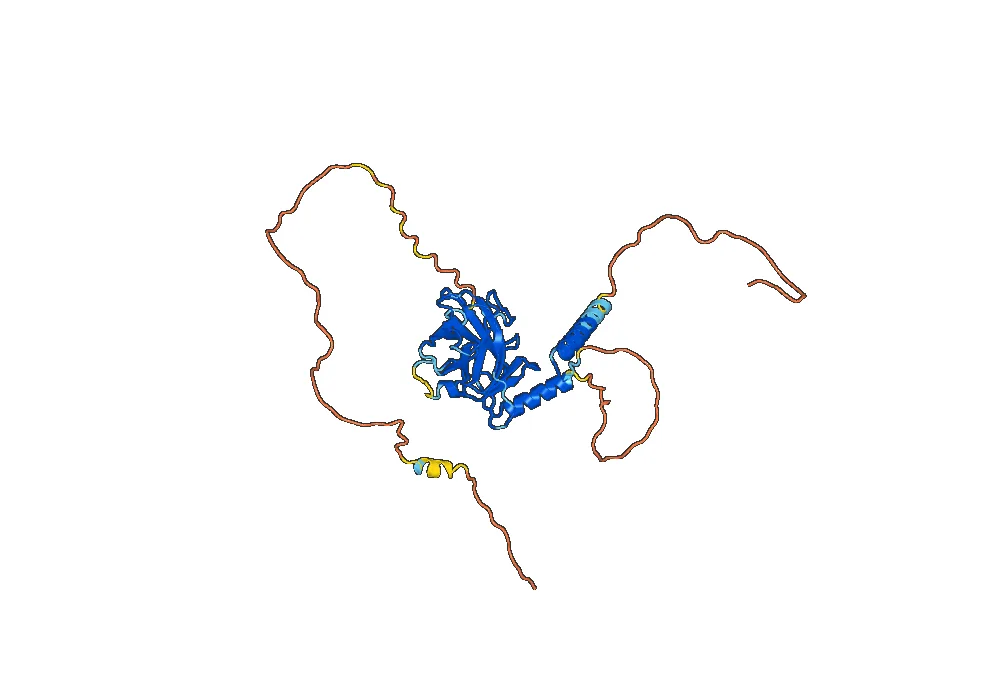
The human TP53 gene is located on chromosome 17 and consists of 11 exons. The protein is composed of 393 amino acids and has a molecular weight of approximately 43 kDa. Recombinant Human TP53/p53 Protein contains several functional domains, including a transactivation domain, a DNA-binding domain, and an oligomerization domain.
The transactivation domain is responsible for activating the transcription of target genes involved in cell cycle control, DNA repair, and apoptosis. The DNA-binding domain allows p53 to bind to specific DNA sequences and regulate gene expression. The oligomerization domain is crucial for the formation of tetramers, which are necessary for p53 to function properly.
Activity of Recombinant Human TP53/p53 Protein
The activity of p53 is tightly regulated in normal cells, but in cancer cells, this regulation is disrupted, leading to abnormal levels of p53 and dysregulation of its activity. In response to cellular stress, such as DNA damage, hypoxia, or oncogene activation, p53 is activated and acts as a transcription factor to induce the expression of target genes.
One of the key functions of p53 is to induce cell cycle arrest, giving the cell time to repair DNA damage. If the damage is irreparable, p53 can also trigger apoptosis, preventing the damaged cell from proliferating and potentially becoming cancerous. In addition, p53 plays a role in DNA repair by activating genes involved in this process.
Furthermore, p53 has been shown to have a role in regulating cellular metabolism, angiogenesis, and senescence. Its diverse functions make it a crucial protein in maintaining genomic stability and preventing cancer development.
Application of Recombinant Human TP53/p53 Protein
Recombinant Human TP53/p53 Protein has various applications in both research and clinical settings. In research, this protein is used to study the function and regulation of p53 in different cellular pathways and disease states. It can also be used to screen for potential drugs that can modulate p53 activity and potentially treat cancer.
In the clinic, Recombinant Human TP53/p53 Protein is used in gene therapy to deliver functional p53 to cancer cells with mutated or deleted TP53 genes. This approach aims to restore the tumor-suppressing function of p53 and induce cell death in cancer cells. Recombinant Human TP53/p53 Protein can also be used as a diagnostic tool to detect p53 mutations in cancer cells, which can help guide treatment decisions.
Moreover, p53 has been identified as a potential biomarker for cancer prognosis and response to treatment. Recombinant Human TP53/p53 Protein can be used to measure p53 levels in patient samples and predict the outcome of cancer treatment.
Conclusion
In summary, Recombinant Human TP53/p53 Protein is a crucial protein involved in maintaining genomic stability and preventing cancer development. Its structure, activity, and applications make it a valuable tool in both research and clinical settings. Further studies on the regulation and function of p53 may lead to the development of novel therapeutics for cancer treatment.

There are no reviews yet.