Introduction
The recombinant DENV-3 Envelope protein E (rE-DENV-3) is a synthetic version of the envelope protein found on the surface of the dengue virus serotype 3 (DENV-3). This protein is produced using recombinant DNA technology, which involves inserting the gene that codes for the envelope protein into a host cell, such as bacteria or yeast, to produce large quantities of the protein. The rE-DENV-3 has been extensively studied and has shown promising potential as a diagnostic tool and vaccine candidate for dengue virus infection.
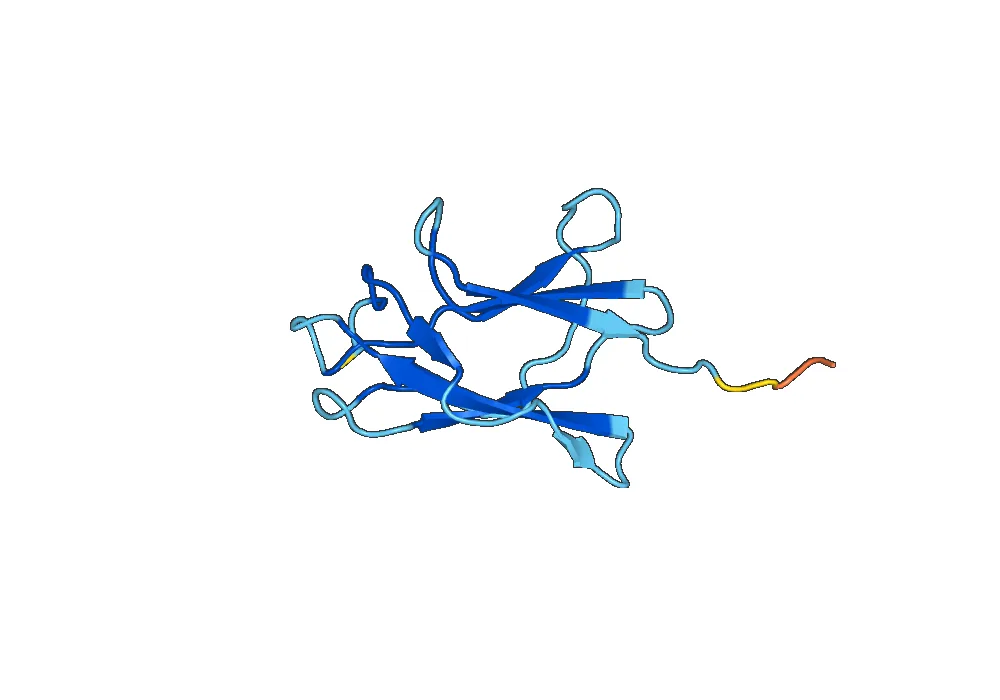
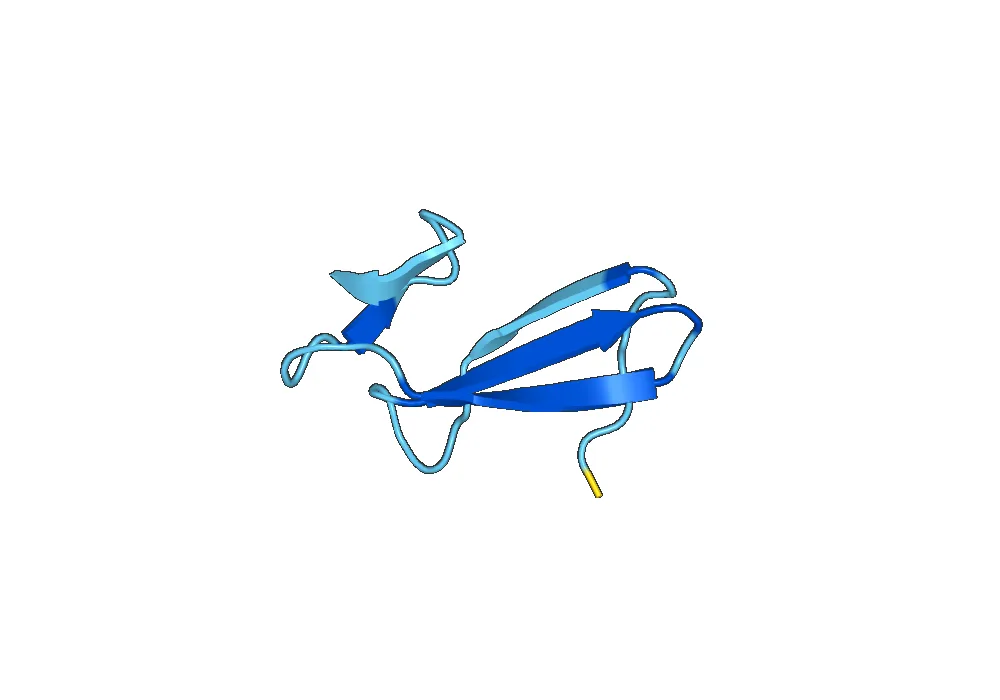
Structure of Recombinant DENV-3 Envelope protein E
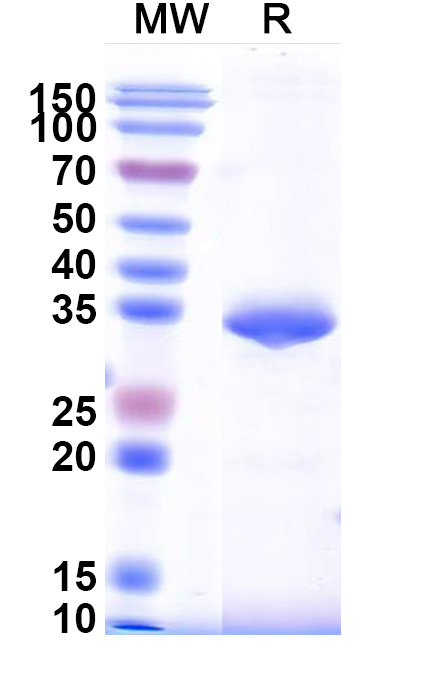
The rE-DENV-3 is a glycoprotein with a molecular weight of approximately 50 kDa. It is composed of three structural domains: domain I, domain II, and domain III. Domain I is the central domain and contains the fusion loop, which is responsible for the attachment of the virus to host cells. Domain II is involved in the dimerization of the envelope protein, while domain III is responsible for receptor binding. The rE-DENV-3 also contains two glycosylation sites, which are important for its stability and function.
Activity of Recombinant DENV-3 Envelope protein E
The main function of the rE-DENV-3 is to elicit an immune response in the host. This is achieved through its ability to act as an antigen, which is a substance that triggers the production of antibodies by the immune system. The rE-DENV-3 has been shown to induce the production of neutralizing antibodies, which can bind to and block the activity of the virus, preventing infection. This activity has been demonstrated in both in vitro and in vivo studies.
In addition to its role as an antigen, the rE-DENV-3 also has the ability to bind to host cells and mediate viral entry. This is due to its fusion loop, which interacts with receptors on the surface of host cells, allowing the virus to enter and infect the cell. This activity is crucial for the virus to replicate and cause disease.
Application of Recombinant DENV-3 Envelope protein E
The rE-DENV-3 has several potential applications in the field of dengue virus research and control. One of the main applications is as a diagnostic tool for dengue virus infection. The rE-DENV-3 can be used in various diagnostic tests, such as enzyme-linked immunosorbent assays (ELISAs) and lateral flow assays, to detect the presence of dengue virus-specific antibodies in patient samples. This can aid in the early and accurate diagnosis of dengue virus infection, allowing for prompt treatment and control of the disease.
Another important application of the rE-DENV-3 is in the development of a dengue virus vaccine. The rE-DENV-3 has been shown to induce a strong and specific immune response, making it a potential candidate for inclusion in a dengue virus vaccine. Several studies have demonstrated the efficacy of the rE-DENV-3 as a vaccine antigen, with promising results in both animal and human trials. Its ability to elicit neutralizing antibodies and prevent viral entry makes it a valuable component in the fight against dengue virus infection.
Conclusion
The recombinant DENV-3 Envelope protein E is a synthetic version of the envelope protein found on the surface of the dengue virus serotype 3. Its structure, activity, and potential applications make it a valuable tool in dengue virus research and control. Its use as a diagnostic tool and vaccine candidate highlights its potential in the fight against dengue virus infection. Further research and development of the rE-DENV-3 may lead to new and improved ways to prevent and control this devastating disease.




There are no reviews yet.