The Structure of Recombinant Clostridioides difficile Toxin B/tcdB
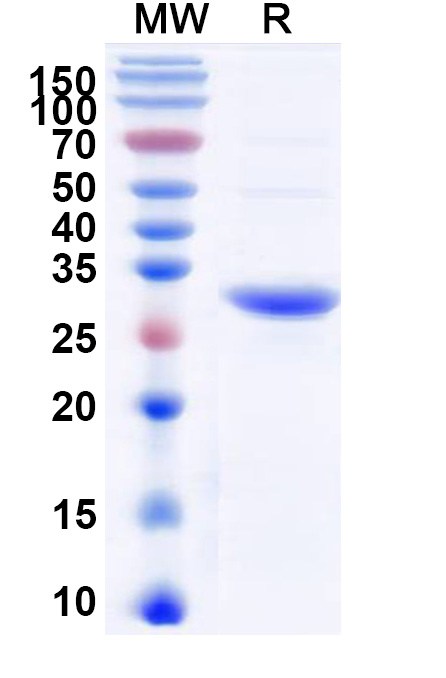
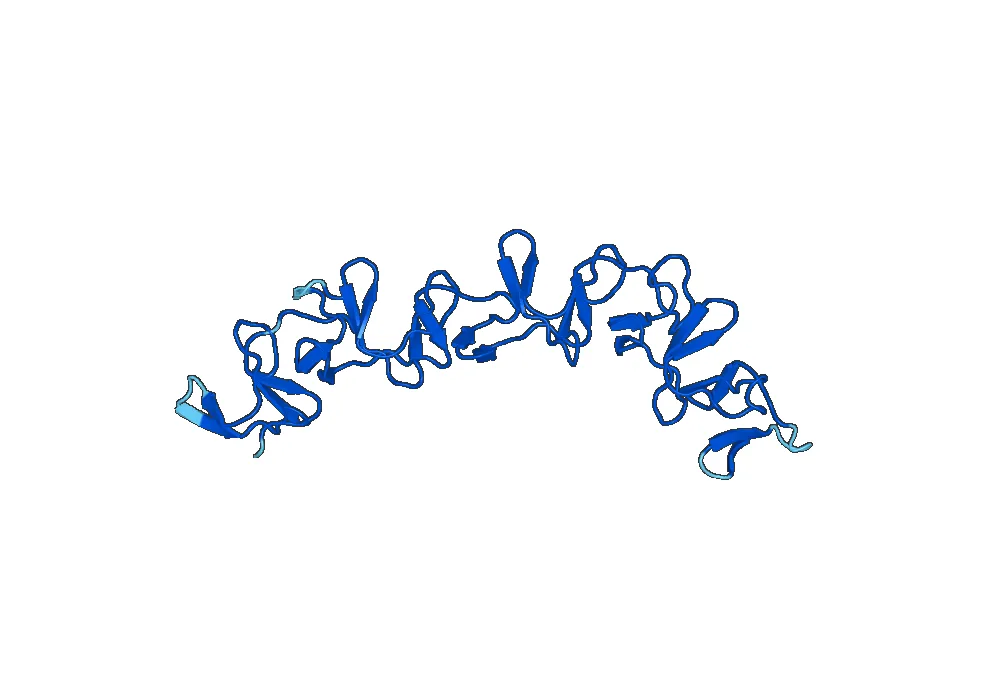
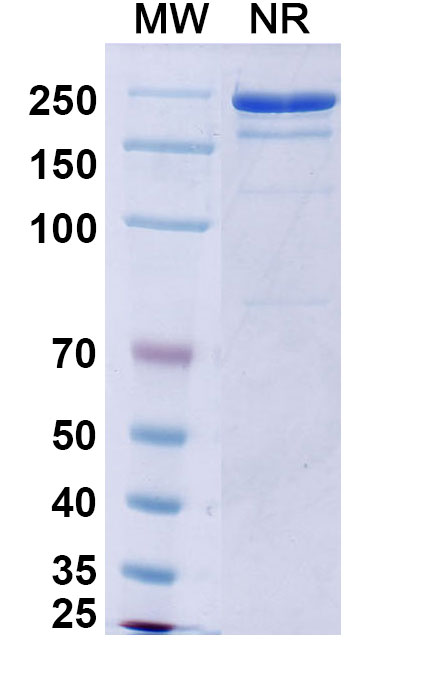
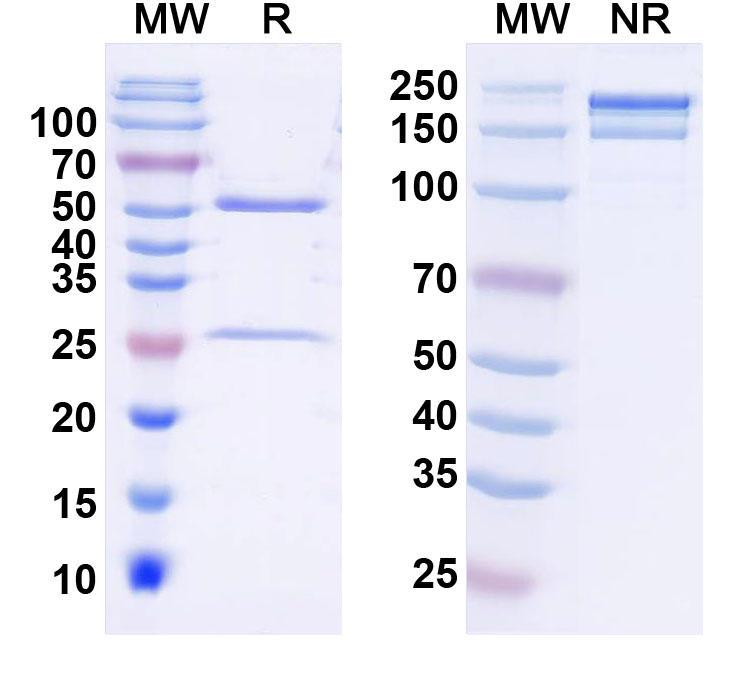
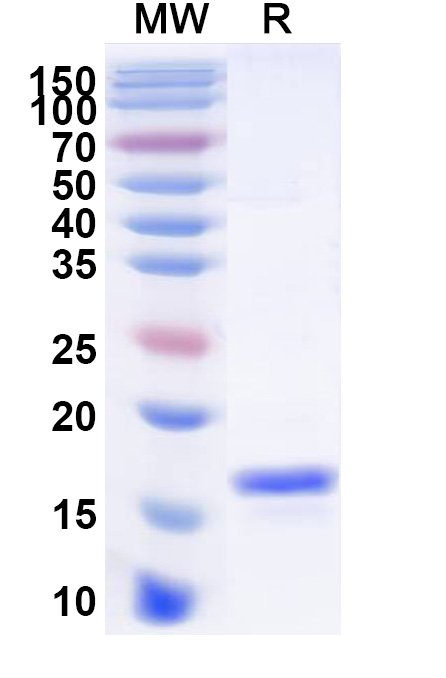
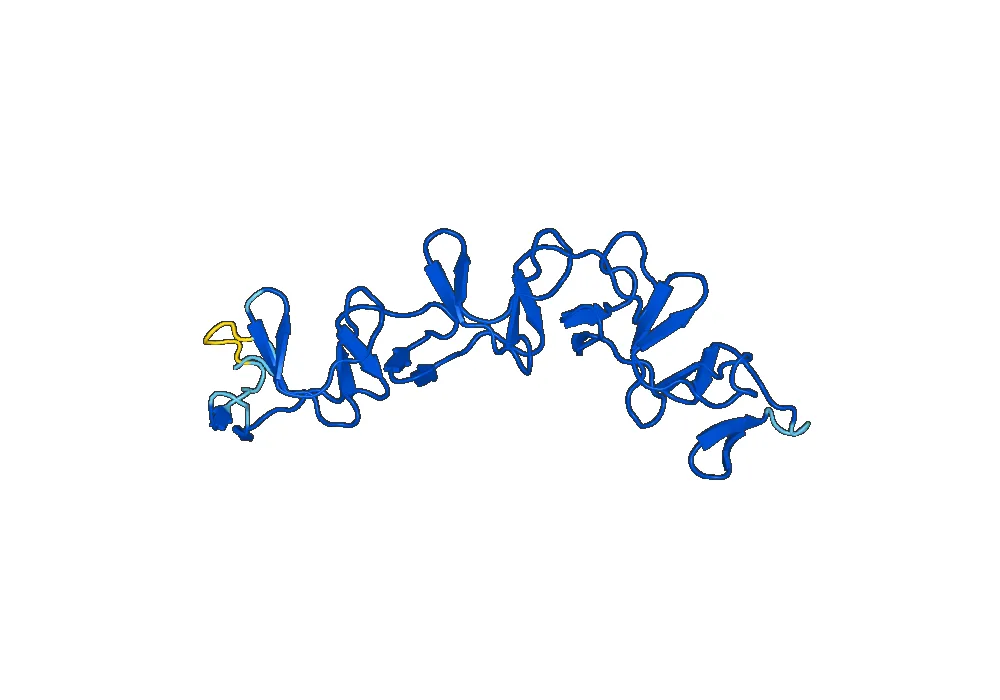
Recombinant Clostridioides difficile Toxin B (tcdB) is a protein that is produced through genetic engineering techniques. It is a modified version of the naturally occurring toxin produced by the bacterium Clostridioides difficile, which is responsible for causing severe diarrhea and colitis in humans. The recombinant tcdB protein is a potent antigen, meaning it can elicit an immune response in the body.
The tcdB protein is composed of two subunits, A and B. The B subunit is responsible for binding to specific receptors on the surface of cells in the gut. Once bound, the A subunit is able to enter the cell and exert its toxic effects. In the recombinant version of tcdB, the A subunit has been removed, making it non-toxic but still capable of binding to cell receptors.
The Activity of Recombinant Clostridioides difficile Toxin B/tcdB
Recombinant tcdB has been extensively studied for its ability to induce an immune response against Clostridioides difficile. It has been shown to be a potent antigen, able to stimulate both cellular and humoral immune responses. This means that it can activate both T cells and B cells, leading to the production of antibodies and the development of a long-lasting immune memory.
The binding of recombinant tcdB to cell receptors also triggers a series of events within the cell, leading to the activation of immune cells such as macrophages and dendritic cells. These cells then release cytokines, which are signaling molecules that help to coordinate the immune response. This leads to the recruitment of other immune cells to the site of infection and the elimination of the bacteria.
The Application of Recombinant Clostridioides difficile Toxin B/tcdB
Recombinant tcdB has been primarily studied as a potential vaccine for Clostridioides difficile infections. Vaccines work by introducing a harmless version of a pathogen or its components to the body, allowing the immune system to develop a protective response against future infections. Recombinant tcdB has shown promising results in preclinical studies as a potential vaccine candidate.
In addition to its use as a vaccine, recombinant tcdB has also been studied for its potential therapeutic applications. It has been shown to be effective in preventing and treating Clostridioides difficile infections in animal models. It has also been studied for its potential use in treating other diseases, such as inflammatory bowel disease and certain types of cancer.
The Future of Recombinant Clostridioides difficile Toxin B/tcdB
Recombinant tcdB holds great promise as a potential vaccine and therapeutic agent. However, further research is needed to fully understand its mechanisms of action and to optimize its effectiveness. Clinical trials are currently underway to evaluate the safety and efficacy of recombinant tcdB in humans.
In addition, ongoing research is focused on improving the production and purification of recombinant tcdB, as well as exploring its potential use in combination with other treatments. The development of new delivery systems, such as nanoparticles, may also enhance the effectiveness of recombinant tcdB as a vaccine or therapeutic agent.
In conclusion, recombinant Clostridioides difficile Toxin B/tcdB is a modified version of a bacterial toxin that shows great potential as a vaccine and therapeutic agent. Its unique structure and activity make it a promising candidate for the prevention and treatment of Clostridioides difficile infections, as well as other diseases. Continued research and development in this field may lead to the successful use of recombinant tcdB in clinical settings in the near future.


There are no reviews yet.