Introduction
Ramatercept Biosimilar is a novel anti-GDF-8 fusion protein that has gained significant attention in the field of biopharmaceutical research. This fusion protein is a biosimilar version of the original Ramatercept, which is a recombinant human protein developed by Acceleron Pharma Inc. It is designed to target and inhibit the activity of GDF-8, also known as myostatin, a protein that plays a crucial role in regulating muscle growth and development. In this scientific web content, we will discuss the structure, activity, and potential applications of Ramatercept Biosimilar as a therapeutic agent.
Structure of Ramatercept Biosimilar
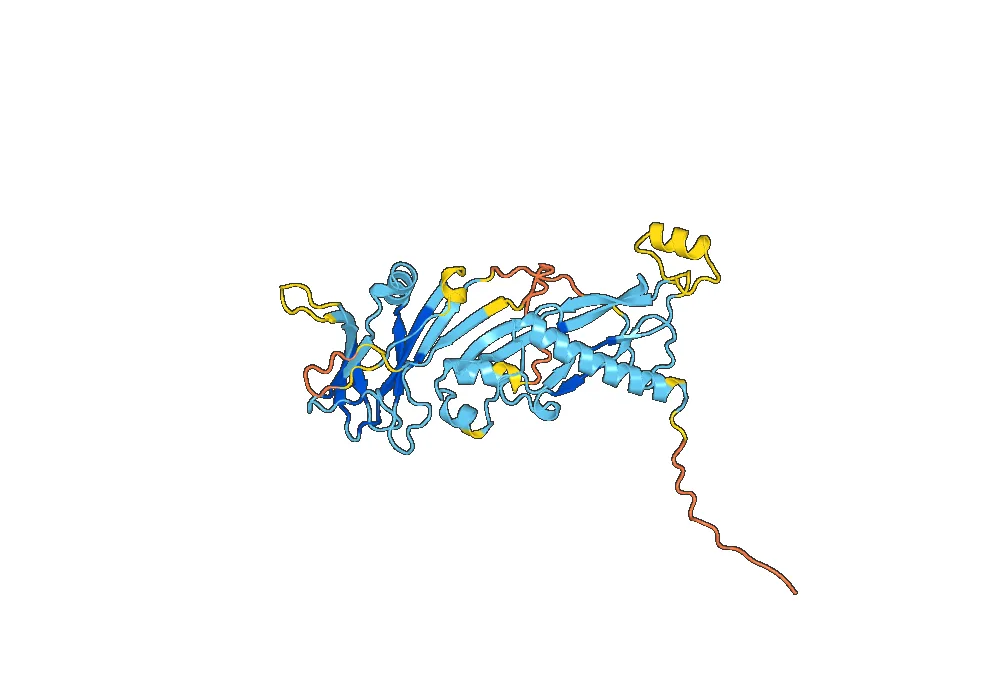
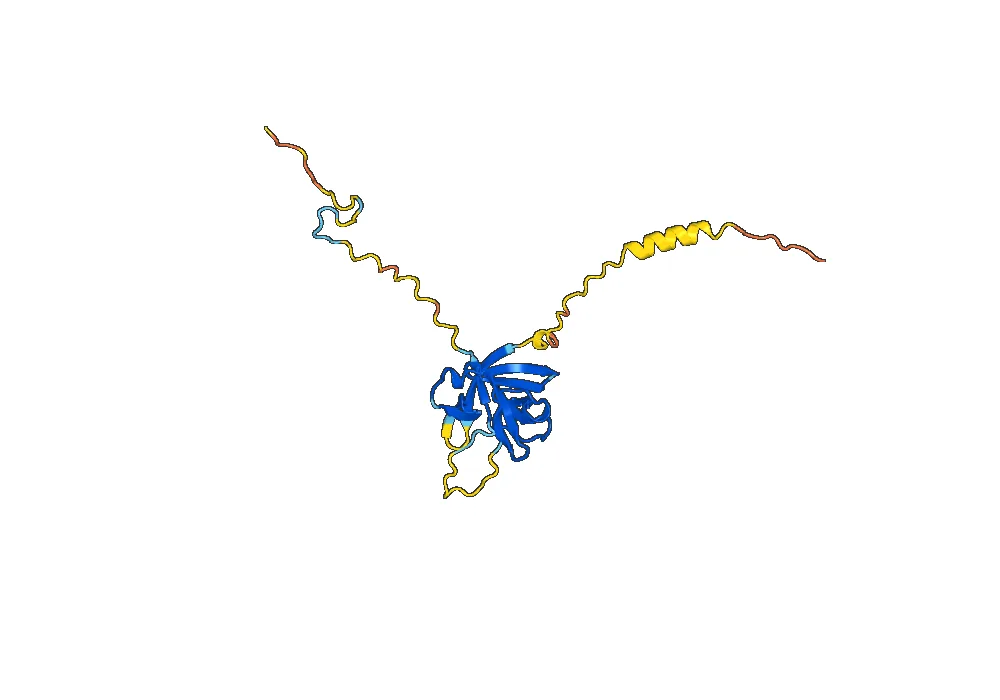
Ramatercept Biosimilar is a fusion protein consisting of two components: the extracellular domain of the activin receptor type IIB (ActRIIB) and the Fc region of human immunoglobulin G1 (IgG1). The ActRIIB domain is responsible for binding to GDF-8, while the Fc region provides stability and prolongs the half-life of the fusion protein in the body.
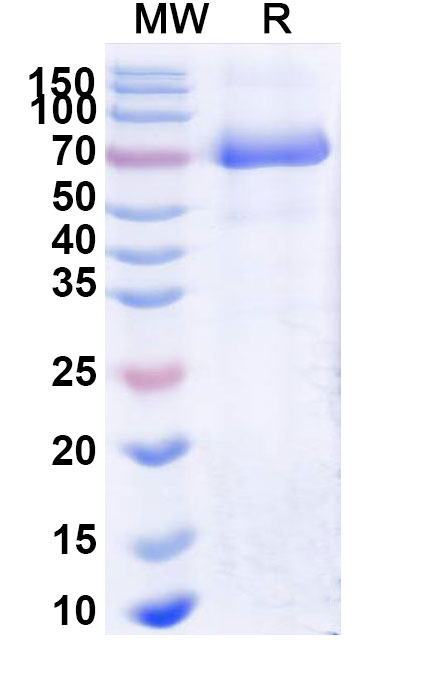
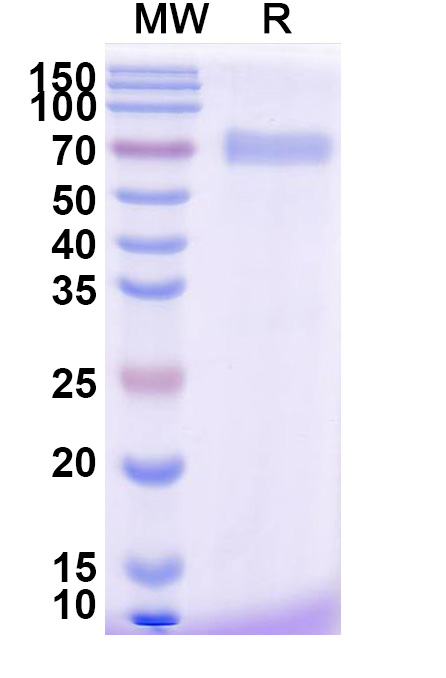
The ActRIIB domain of Ramatercept Biosimilar is identical to that of the original Ramatercept, with 368 amino acids. It has a molecular weight of approximately 40 kDa and is glycosylated, meaning it has sugar molecules attached to it. The Fc region, on the other hand, has 233 amino acids and a molecular weight of approximately 25 kDa.
Activity of Ramatercept Biosimilar
The primary function of Ramatercept Biosimilar is to inhibit the activity of GDF-8, a protein that negatively regulates muscle growth and development. GDF-8 is a member of the transforming growth factor-beta (TGF-β) superfamily and is primarily produced in skeletal muscle cells. It acts as a negative regulator of muscle mass by inhibiting the proliferation and differentiation of muscle cells.
Ramatercept Biosimilar works by binding to GDF-8 and preventing its interaction with the ActRIIB receptor. This, in turn, leads to an increase in the activity of another TGF-β family member, myostatin-related gene (MSTN), which promotes muscle growth and development. By inhibiting GDF-8, Ramatercept Biosimilar can potentially increase muscle mass and strength, making it a promising therapeutic target in conditions associated with muscle wasting.
Potential Applications of Ramatercept Biosimilar
Ramatercept Biosimilar has shown promising results in preclinical and clinical studies as a potential therapeutic agent for various conditions associated with muscle wasting. These include muscular dystrophy, sarcopenia, cachexia, and muscle wasting in chronic diseases such as cancer and HIV.
In a phase II clinical trial, Ramatercept Biosimilar was evaluated in patients with facioscapulohumeral muscular dystrophy (FSHD), a genetic disorder characterized by progressive muscle weakness and wasting. The results showed a significant increase in muscle mass and strength in patients treated with Ramatercept Biosimilar compared to the placebo group.
In addition to its potential use in muscle-wasting conditions, Ramatercept Biosimilar has also shown promise in improving exercise capacity in patients with pulmonary arterial hypertension (PAH), a condition characterized by high blood pressure in the arteries of the lungs. In a phase II clinical trial, treatment with Ramatercept Biosimilar led to a significant improvement in the six-minute walk distance, a measure of exercise capacity, in patients with PAH.
Conclusion
In conclusion, Ramatercept Biosimilar is a novel anti-GDF-8 fusion protein with a unique structure and mechanism of action. It has the potential to be a promising therapeutic agent for various conditions associated with muscle wasting, including muscular dystrophy, sarcopenia, and cachexia. Further research and clinical trials are needed to fully understand the potential of Ramatercept Biosimilar and its role in the treatment of these conditions.

There are no reviews yet.