Title: Racotumomab Biosimilar – A Promising Anti-Idiotope Antibody for Targeting NeuGc Gangliosides
Introduction:
Racotumomab Biosimilar is a novel therapeutic antibody that targets the NeuGc gangliosides, a class of glycolipids expressed on the surface of cancer cells. This biosimilar is a recombinant version of the anti-idiotype antibody P3 mAb, which was originally derived from the mouse monoclonal antibody P3. In this article, we will discuss the structure, activity and potential applications of this biosimilar in cancer treatment.
Structure:
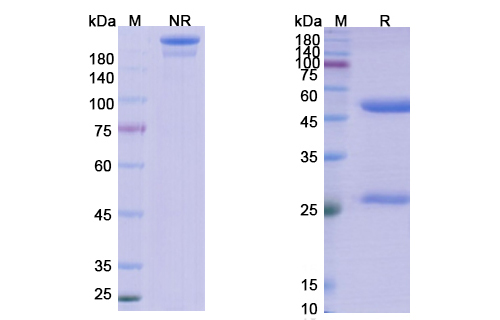
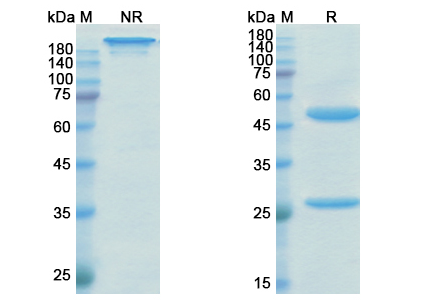
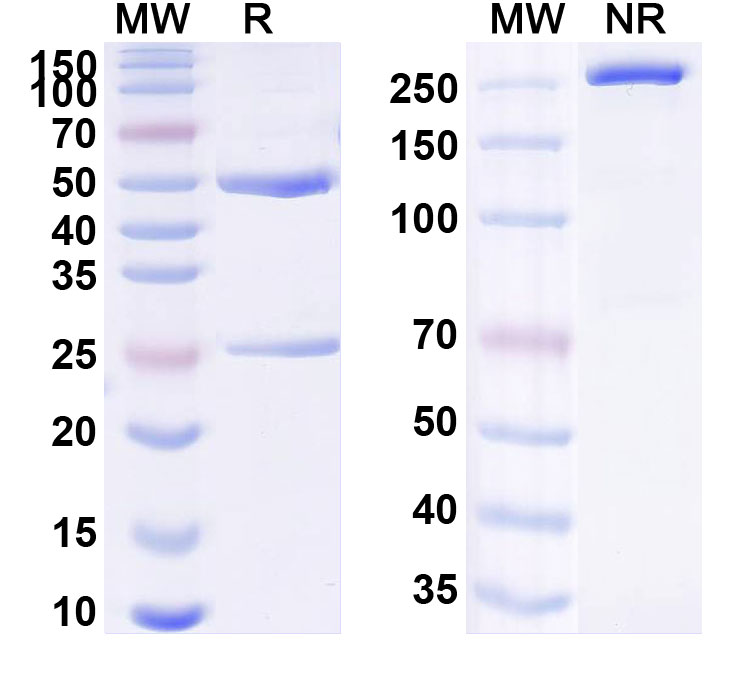
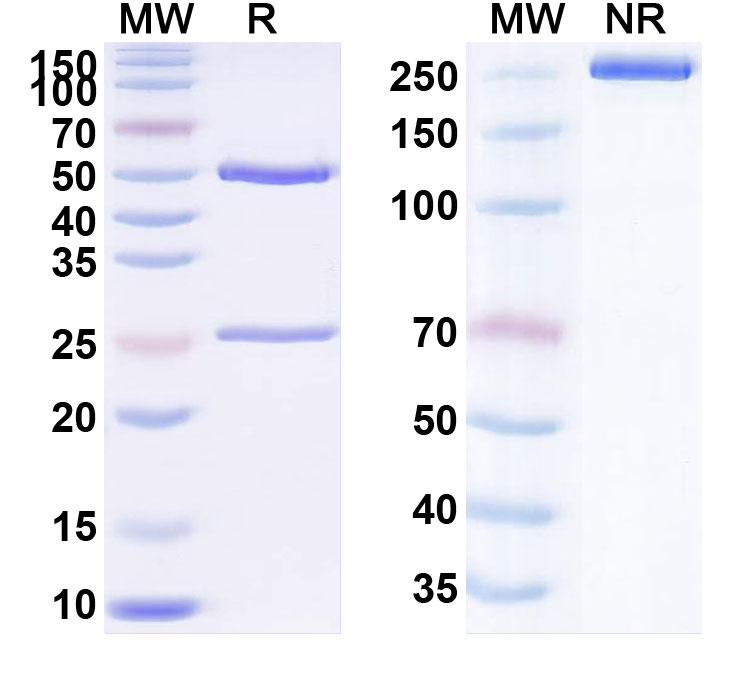
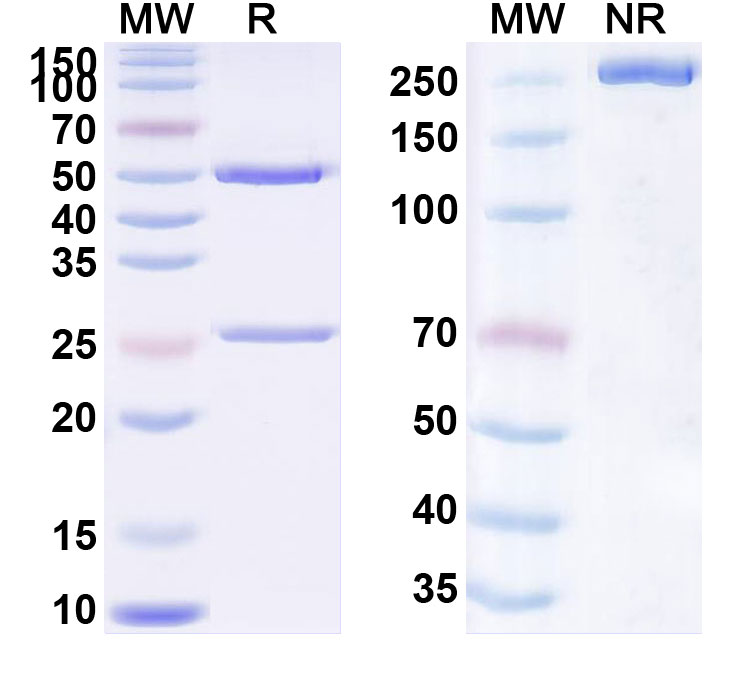
Racotumomab Biosimilar is a chimeric antibody composed of both mouse and human components. It consists of two heavy chains and two light chains, with a total molecular weight of approximately 150 kDa. The variable regions of the antibody are derived from the mouse IgM-kappa monoclonal antibody P3, while the constant regions are of human origin. This structure allows for the antibody to retain the specificity and affinity of the original P3 antibody, while minimizing the potential for immunogenicity in human patients.
Activity:
The main target of Racotumomab Biosimilar is the NeuGc gangliosides, which are sialic acid-containing glycolipids that are aberrantly expressed on the surface of cancer cells. These gangliosides play a crucial role in tumor growth, invasion and metastasis, making them attractive targets for cancer therapy. Racotumomab Biosimilar binds specifically to the NeuGc gangliosides, leading to their internalization and subsequent destruction of cancer cells through antibody-dependent cellular cytotoxicity (ADCC) and complement-dependent cytotoxicity (CDC).
Application:
Racotumomab Biosimilar has shown promising results in preclinical and clinical studies for the treatment of various types of cancer, including lung, breast, colon, and ovarian cancer. In a phase I/II clinical trial, this biosimilar demonstrated a favorable safety profile and significant antitumor activity in patients with advanced non-small cell lung cancer. Furthermore, it has been shown to enhance the efficacy of chemotherapy and radiotherapy when used in combination with these treatments.
In addition to its potential as a standalone therapy, Racotumomab Biosimilar can also be used as an adjuvant treatment in cancer patients. By targeting the NeuGc gangliosides, this biosimilar can help prevent tumor recurrence and metastasis, thereby improving patient outcomes.
Conclusion:
Racotumomab Biosimilar is a promising therapeutic antibody that specifically targets the NeuGc gangliosides, which are important biomarkers for cancer. Its unique structure and mechanism of action make it a valuable addition to the arsenal of cancer treatments. With its potential to be used as a standalone therapy or in combination with other treatments, this biosimilar holds great promise for improving the outcomes of cancer patients. Further research and clinical trials are needed to fully explore the potential of Racotumomab Biosimilar in the treatment of cancer.

There are no reviews yet.