Introduction to Prolgolimab Biosimilar – A Promising Antibody for Cancer Therapy
Prolgolimab Biosimilar, also known as Anti-PDCD1, PD1, CD279 monoclonal antibody, is a research grade antibody that has shown great potential in the field of cancer therapy. This biosimilar is designed to target the programmed cell death protein 1 (PD-1) pathway, which plays a crucial role in regulating the immune response against cancer cells. In this article, we will discuss the structure, activity, and potential applications of Prolgolimab Biosimilar in the treatment of cancer.
Structure of Prolgolimab Biosimilar
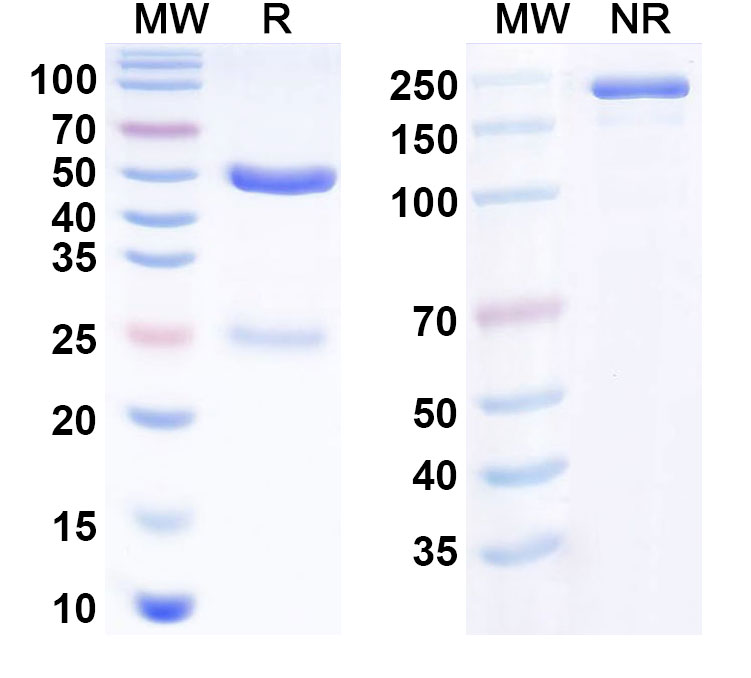
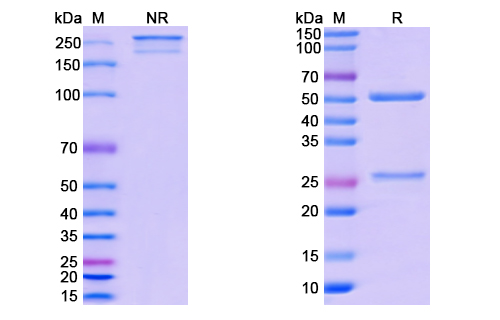
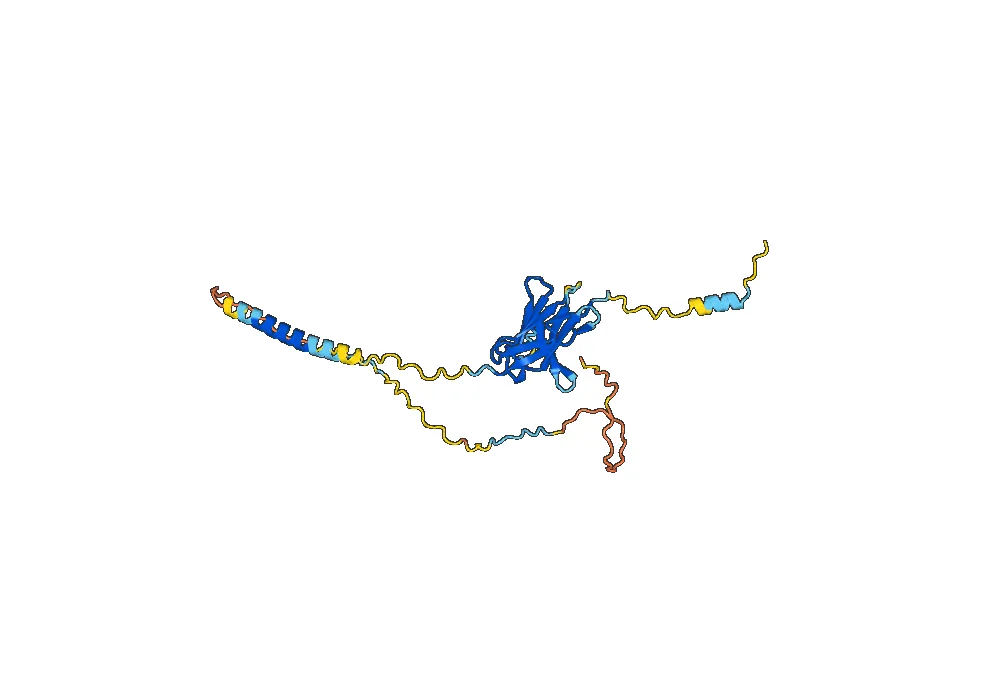
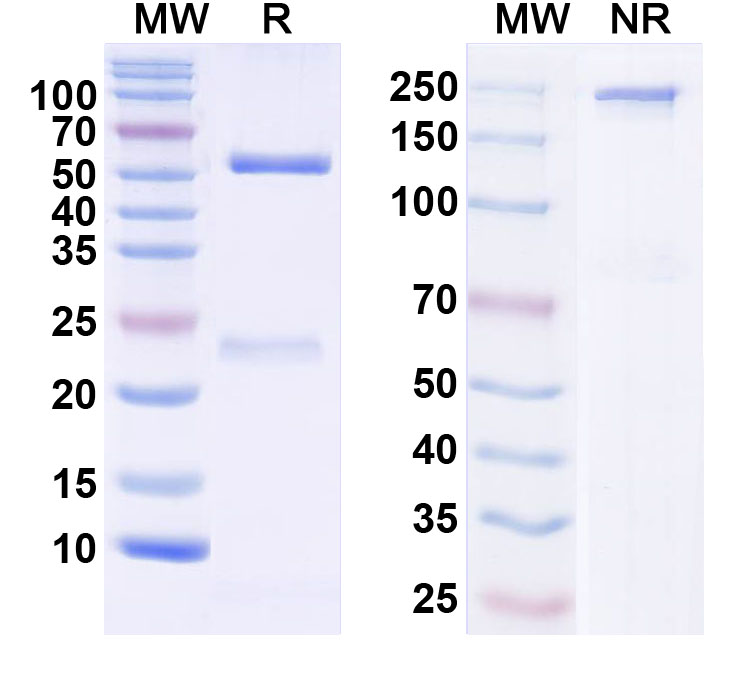
Prolgolimab Biosimilar is a monoclonal antibody that is designed to mimic the structure of the human PD-1 protein. It is composed of two heavy chains and two light chains, which are linked together by disulfide bonds. The heavy chains are made up of constant and variable regions, while the light chains only have variable regions. The variable regions of the antibody are responsible for binding to the PD-1 receptor on the surface of cancer cells.
Activity of Prolgolimab Biosimilar
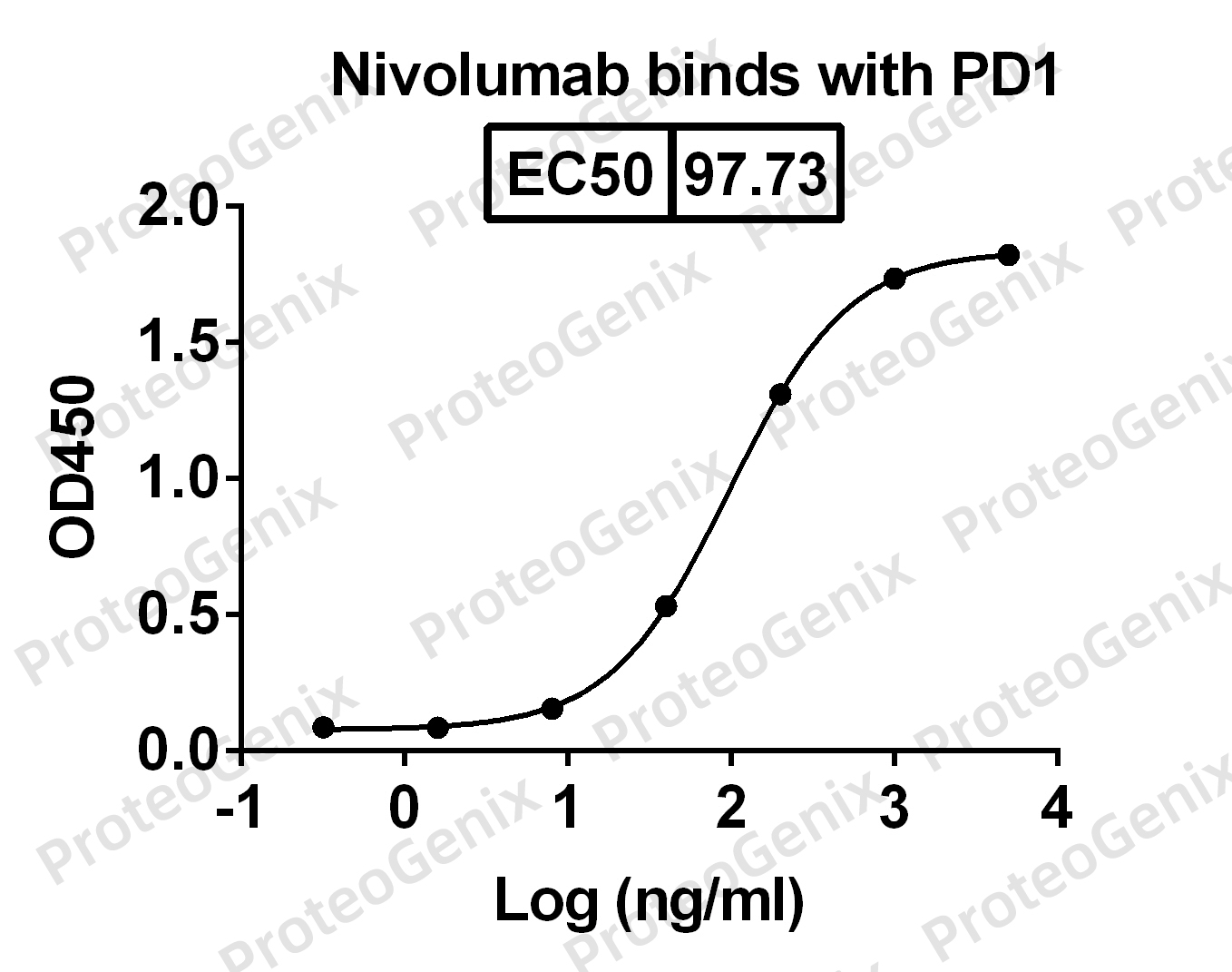
The main function of Prolgolimab Biosimilar is to block the interaction between PD-1 and its ligands, PD-L1 and PD-L2. PD-1 is a checkpoint protein that is expressed on the surface of T cells, B cells, and natural killer cells. When PD-1 binds to its ligands, it inhibits the activity of these immune cells, allowing cancer cells to evade detection and destruction by the immune system. By binding to PD-1, Prolgolimab Biosimilar prevents this inhibitory signal, thereby allowing the immune cells to attack and kill cancer cells.
In addition to blocking the PD-1 pathway, Prolgolimab Biosimilar also has other potential mechanisms of action. It has been shown to enhance the production of cytokines, such as interferon-gamma, which are important for activating immune cells. It also promotes the maturation and activation of dendritic cells, which play a crucial role in initiating an immune response against cancer cells.
Applications of Prolgolimab Biosimilar
Prolgolimab Biosimilar has shown promising results in preclinical studies and is currently being investigated in clinical trials for the treatment of various types of cancer, including melanoma, lung cancer, and bladder cancer. It has also been tested in combination with other cancer therapies, such as chemotherapy and other immunotherapies, and has shown synergistic effects in improving treatment outcomes.
One of the advantages of Prolgolimab Biosimilar is its potential to overcome resistance to other cancer therapies. Some cancer cells have been found to upregulate the PD-1 pathway as a mechanism of resistance to chemotherapy and other treatments. By targeting this pathway, Prolgolimab Biosimilar may be able to overcome this resistance and improve treatment response.
Furthermore, Prolgolimab Biosimilar has shown a good safety profile in clinical trials, with minimal side effects reported. This makes it a promising candidate for long-term use in cancer patients.
Conclusion
In conclusion, Prolgolimab Biosimilar is a research grade antibody that has shown great potential in the treatment of cancer. Its unique structure and activity allow it to block the PD-1 pathway and enhance the immune response against cancer cells. With ongoing clinical trials, Prolgolimab Biosimilar may soon become a valuable addition to the arsenal of cancer therapies, providing new hope for patients with various types of cancer.


There are no reviews yet.