Porgaviximab Biosimilar: A Potent Antibody Against Zaire Ebola Virus Introduction
Porgaviximab Biosimilar is a monoclonal antibody (mAb) that specifically targets the Zaire Ebola virus, a highly infectious and deadly pathogen responsible for numerous outbreaks in Africa. This biosimilar is a research grade version of the original Porgaviximab, which was developed by researchers at the National Institutes of Health (NIH) and is now being produced by multiple pharmaceutical companies.
Structure of Porgaviximab Biosimilar
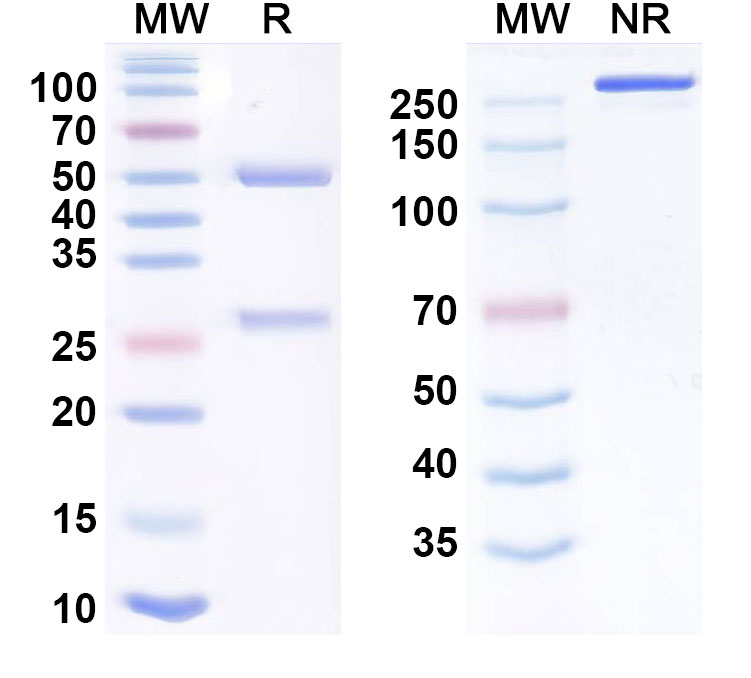
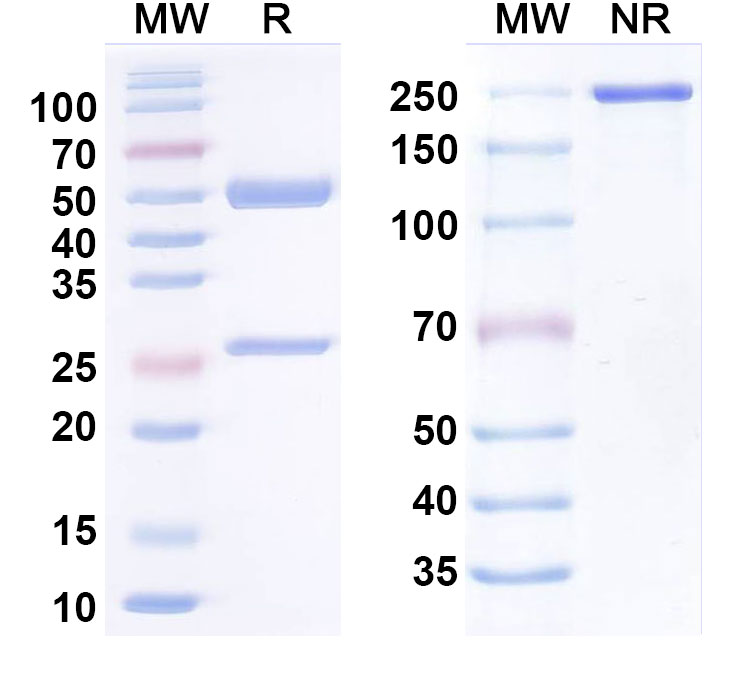
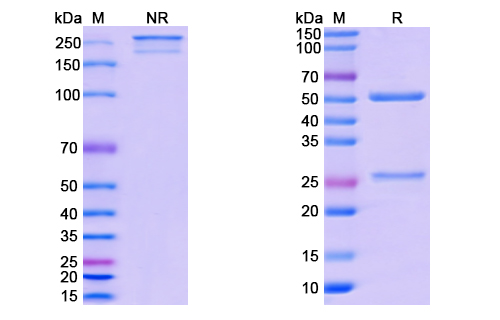
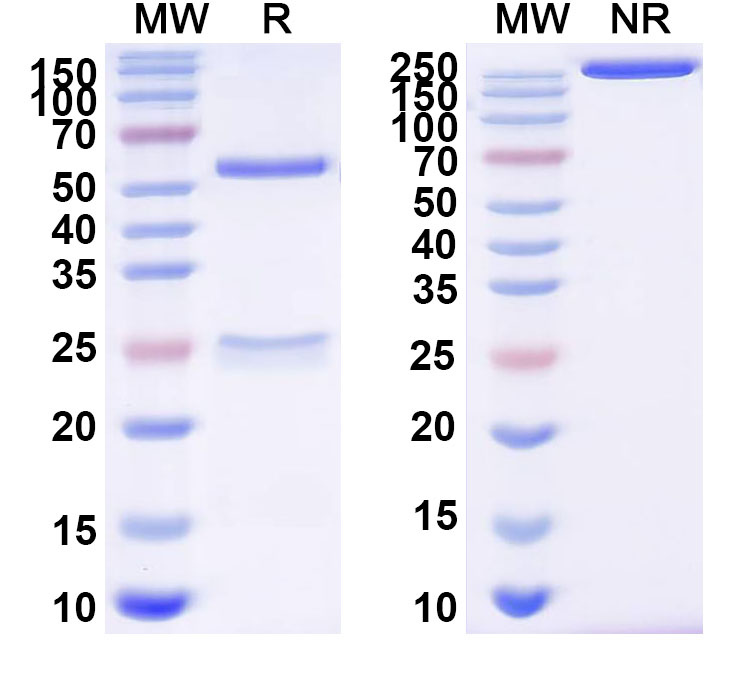
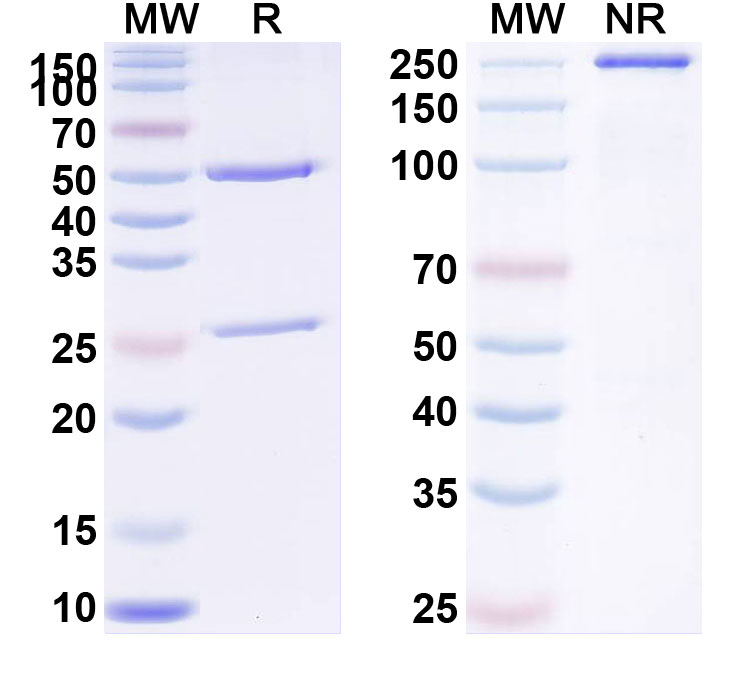
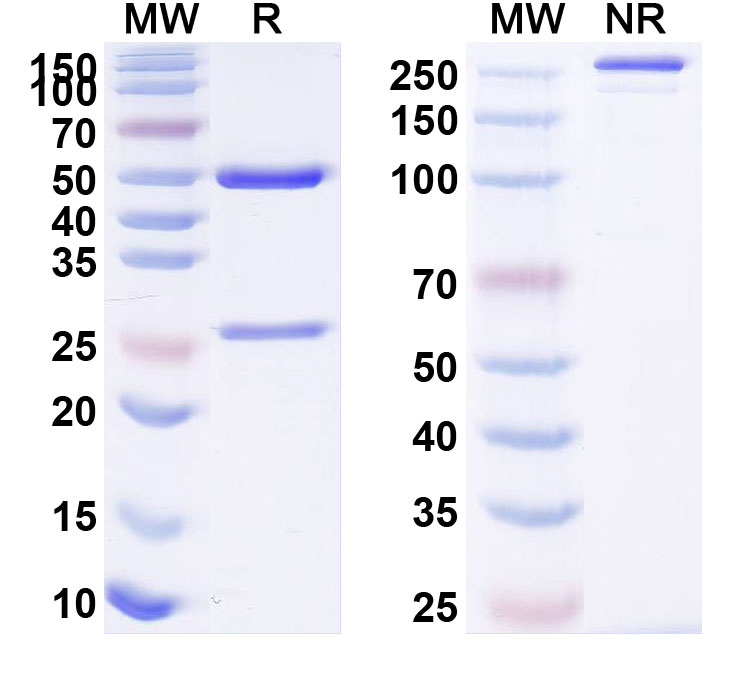
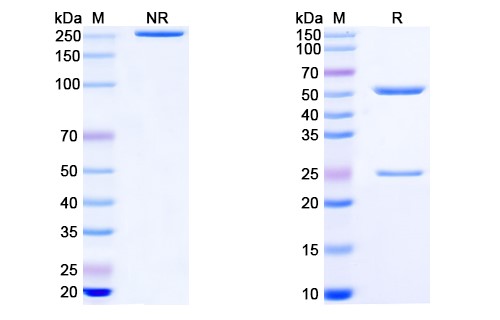
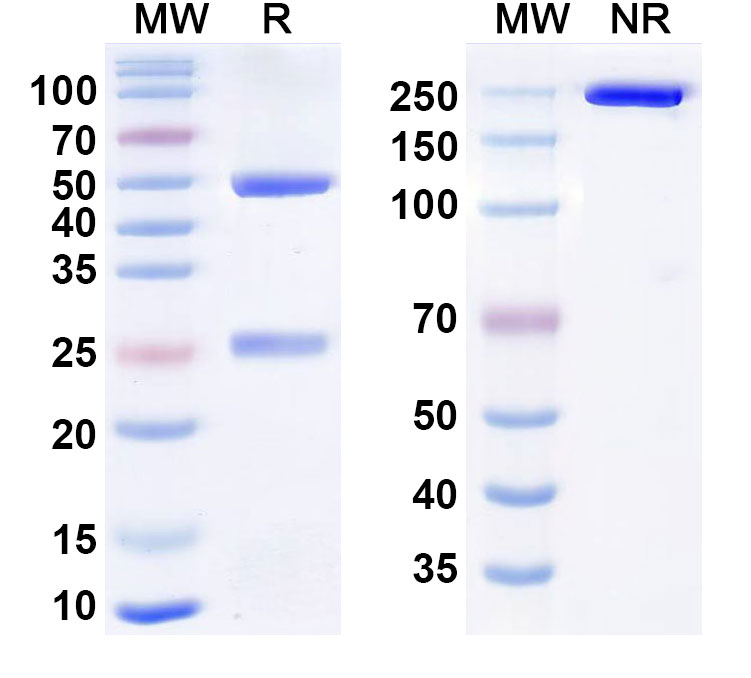
Porgaviximab Biosimilar is a recombinant, fully humanized IgG1 kappa monoclonal antibody. It is composed of two identical heavy chains and two identical light chains, each containing a variable region and a constant region. The variable region of Porgaviximab Biosimilar is highly specific to the glycoprotein of the Zaire Ebola virus, while the constant region allows for binding to immune cells and activation of the immune response.
Mechanism of Action
Porgaviximab Biosimilar works by binding to the glycoprotein of the Zaire Ebola virus, preventing it from infecting host cells. This binding also triggers the immune system to attack and neutralize the virus. Additionally, Porgaviximab Biosimilar can also activate complement-mediated cytotoxicity, leading to the destruction of infected cells.
Application of Porgaviximab Biosimilar
Porgaviximab Biosimilar has been primarily developed for use as a therapeutic agent against Zaire Ebola virus infection. It has shown promising results in preclinical studies, demonstrating its ability to neutralize the virus and improve survival rates in animal models. Furthermore, Porgaviximab Biosimilar has also been evaluated for its potential use as a prophylactic treatment to prevent Ebola virus infection.
Advantages of Porgaviximab Biosimilar
Compared to other available treatments for Ebola virus infection, Porgaviximab Biosimilar offers several advantages. Firstly, being a fully humanized antibody, it has a lower risk of causing an immune reaction in patients. Secondly, Porgaviximab Biosimilar is highly specific to the Zaire Ebola virus, reducing the risk of off-target effects. Additionally, Porgaviximab Biosimilar has a longer half-life compared to other available treatments, allowing for less frequent dosing.
Future Directions
Porgaviximab Biosimilar is currently in the final stages of clinical trials and is expected to receive approval for use in the near future. However, further research is ongoing to explore the potential of this biosimilar in combination with other treatments, as well as its use in other strains of Ebola virus. Additionally, efforts are being made to make Porgaviximab Biosimilar more accessible and affordable for use in developing countries, where Ebola outbreaks are most prevalent.
Conclusion
In summary, Porgaviximab Biosimilar is a highly promising antibody against Zaire Ebola virus, with a specific structure and mechanism of action that makes it a potent therapeutic agent. Its potential to improve survival rates and reduce the risk of infection makes it a valuable addition to the arsenal of treatments against Ebola virus. As further research and development continue, Porgaviximab Biosimilar has the potential to make a significant impact in the fight against this deadly virus.
There are no reviews yet.