Introduction
Pintumomab Biosimilar, also known as Anti-DPEP3 mAb, is a monoclonal antibody that has been developed as a biosimilar to the original therapeutic antibody. It is designed to target DPEP3, a cell surface protein that is overexpressed in certain types of cancer. Pintumomab Biosimilar has shown promising results in preclinical studies and is currently being evaluated in clinical trials for its potential as a cancer treatment.
Structure
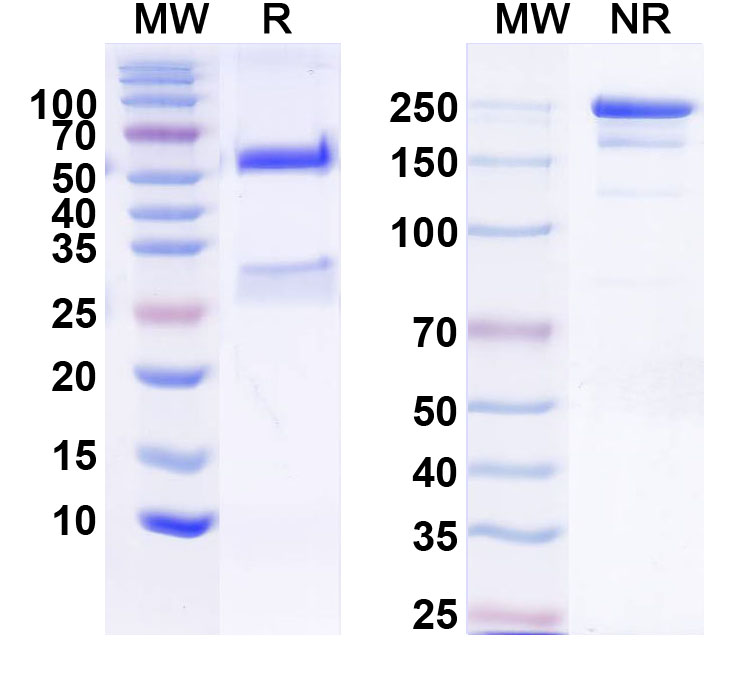
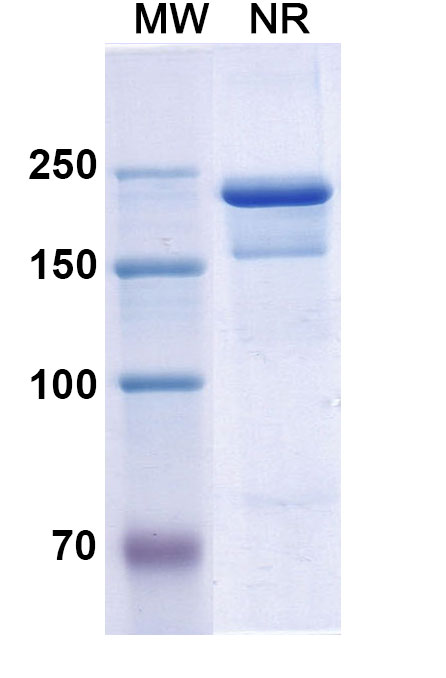
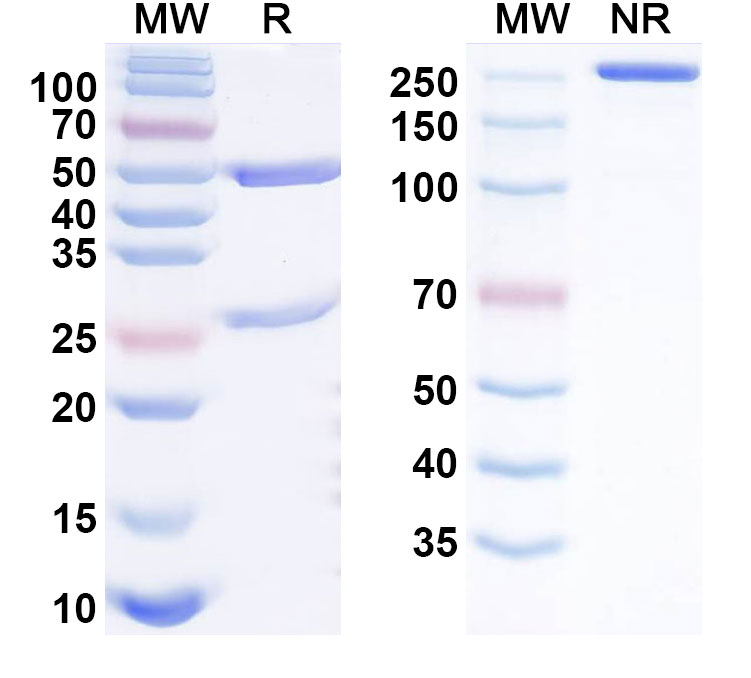
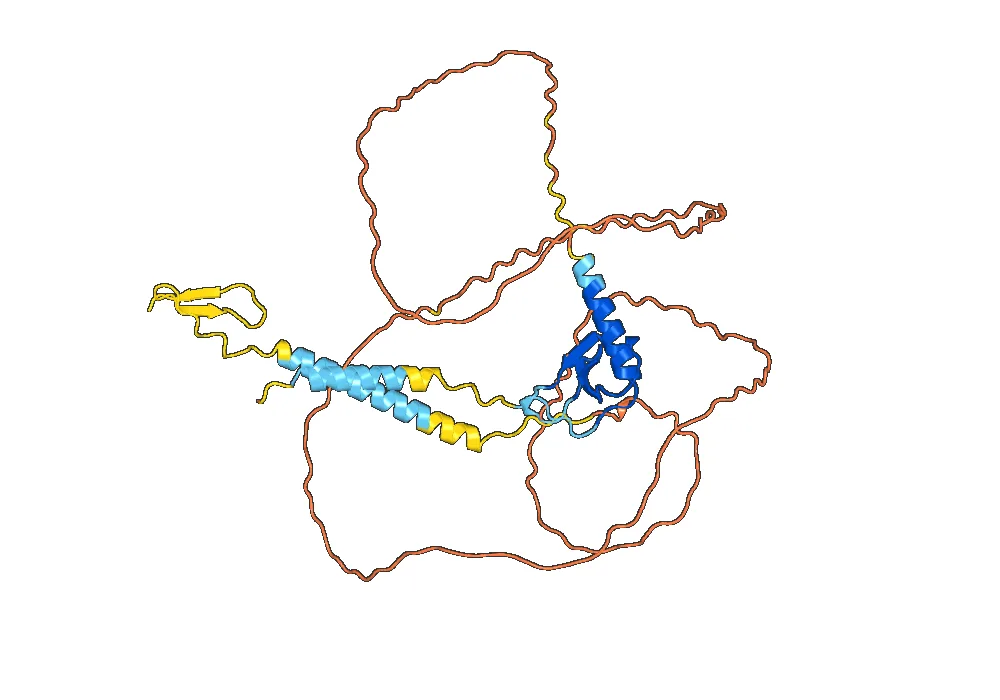
Pintumomab Biosimilar is a recombinant humanized monoclonal antibody, meaning that it is produced in a laboratory using genetic engineering techniques. It is composed of two identical heavy chains and two identical light chains, each with a molecular weight of approximately 150 kDa. The antibody has a Y-shaped structure, with two antigen binding sites located at the tips of the Y. These binding sites are specific for the DPEP3 protein, allowing Pintumomab Biosimilar to selectively target cancer cells that overexpress DPEP3.
Activity
Pintumomab Biosimilar works by binding to the DPEP3 protein on the surface of cancer cells. This binding triggers a series of events that lead to the destruction of the cancer cells. Firstly, the binding of Pintumomab Biosimilar to DPEP3 activates the body’s immune system, specifically the complement system. This results in the formation of a membrane attack complex, which causes pores to form in the cancer cell membrane, leading to cell lysis and death. Additionally, Pintumomab Biosimilar can also induce antibody-dependent cellular cytotoxicity (ADCC), where immune cells such as natural killer cells are recruited to the site of the cancer cells and destroy them.
Application
Pintumomab Biosimilar is being developed as a potential treatment for various types of cancer, including colorectal, lung, breast, and ovarian cancers. These cancers have been found to overexpress DPEP3, making it a suitable therapeutic target for Pintumomab Biosimilar. The antibody is currently being evaluated in clinical trials to determine its safety and efficacy in treating these types of cancer.
Potential Advantages
As a biosimilar, Pintumomab Biosimilar offers several potential advantages over the original therapeutic antibody. Firstly, it is expected to have a lower cost, making it more accessible to patients. Additionally, being a recombinant humanized antibody, it is less likely to cause an immune response in patients, reducing the risk of adverse reactions. Furthermore, Pintumomab Biosimilar is produced using advanced technology, ensuring a consistent and high-quality product.
Conclusion
In summary, Pintumomab Biosimilar is a promising monoclonal antibody that has been developed as a biosimilar to the original therapeutic antibody. It has a specific structure that allows it to bind to the DPEP3 protein on cancer cells and induce their destruction through activation of the immune system. Pintumomab Biosimilar is currently being evaluated in clinical trials for its potential as a treatment for various types of cancer, and if successful, it could offer a more affordable and effective option for patients.

There are no reviews yet.