Introduction
Pemtumomab Biosimilar, also known as Anti-MUC-1 mAb, is a monoclonal antibody that targets the MUC-1 antigen. This biosimilar is currently being researched for its potential therapeutic applications in various types of cancer. In this article, we will discuss the structure, activity, and potential applications of Pemtumomab Biosimilar.
Structure of Pemtumomab Biosimilar
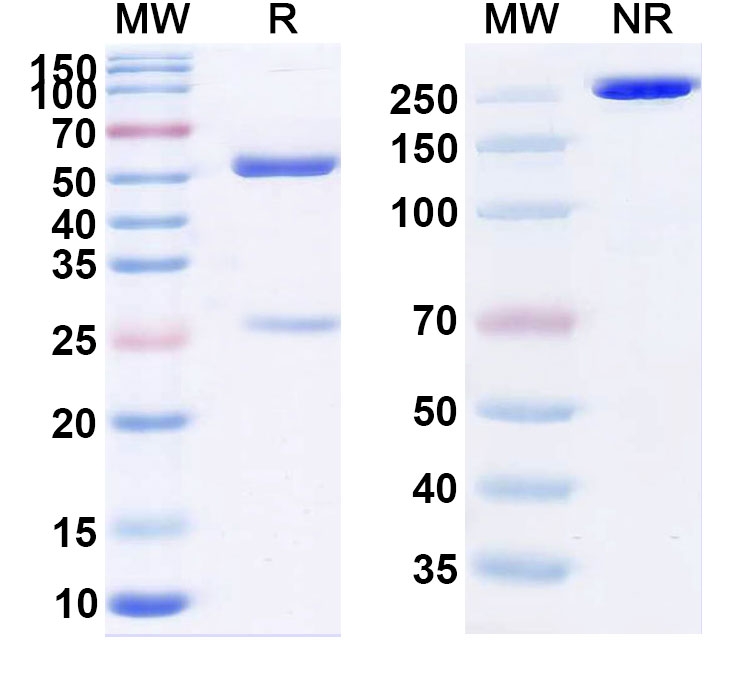
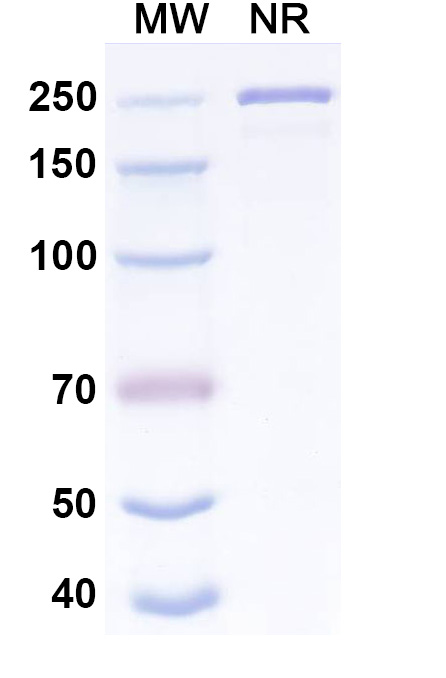
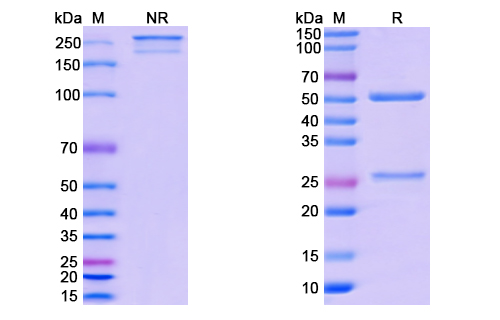
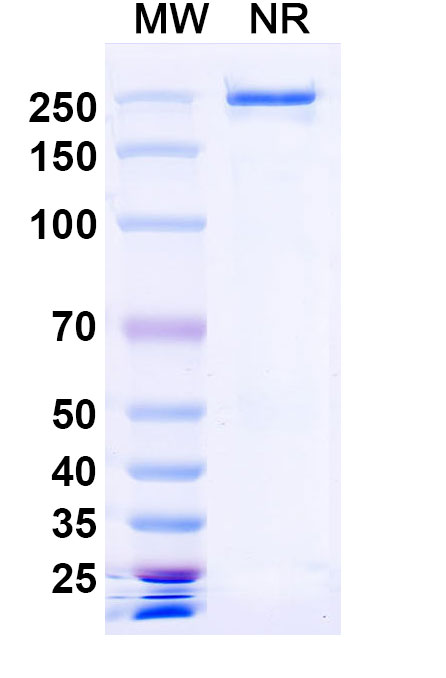
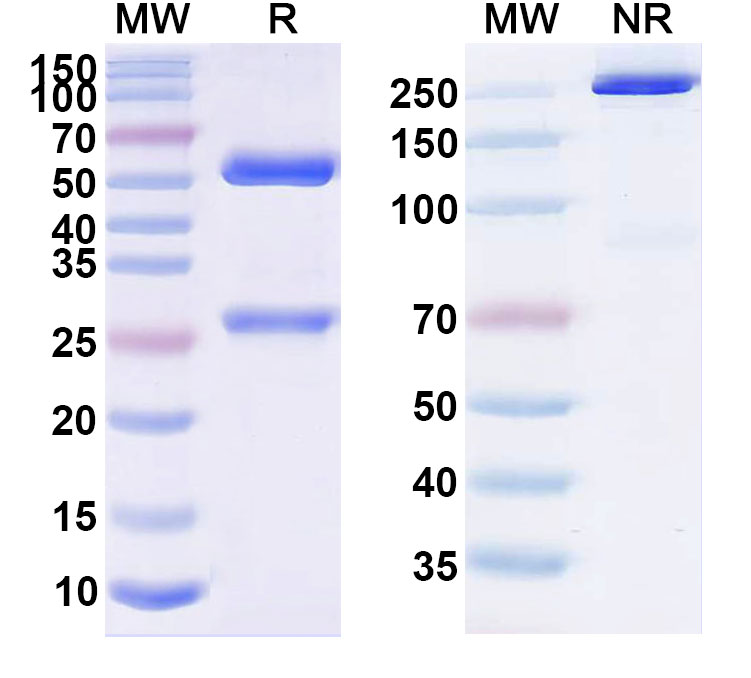
Pemtumomab Biosimilar is a recombinant humanized monoclonal antibody that is produced using recombinant DNA technology. It is composed of two heavy chains and two light chains, with a molecular weight of approximately 150 kDa. The antibody has a Y-shaped structure with two antigen-binding sites, allowing it to bind to two MUC-1 antigens simultaneously.
Activity of Pemtumomab Biosimilar
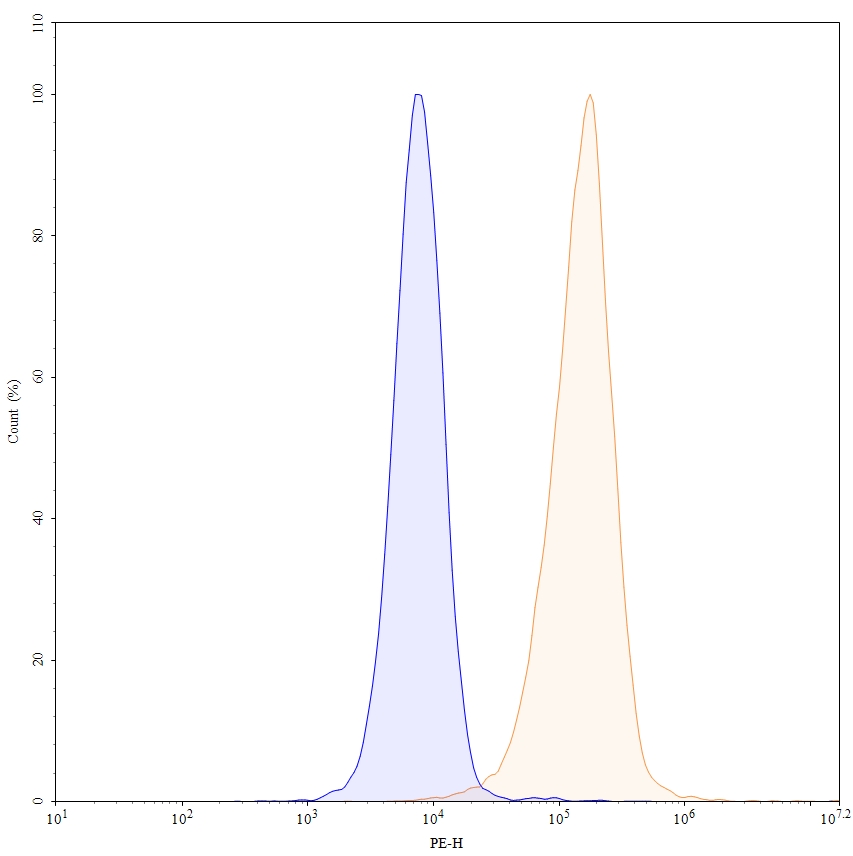
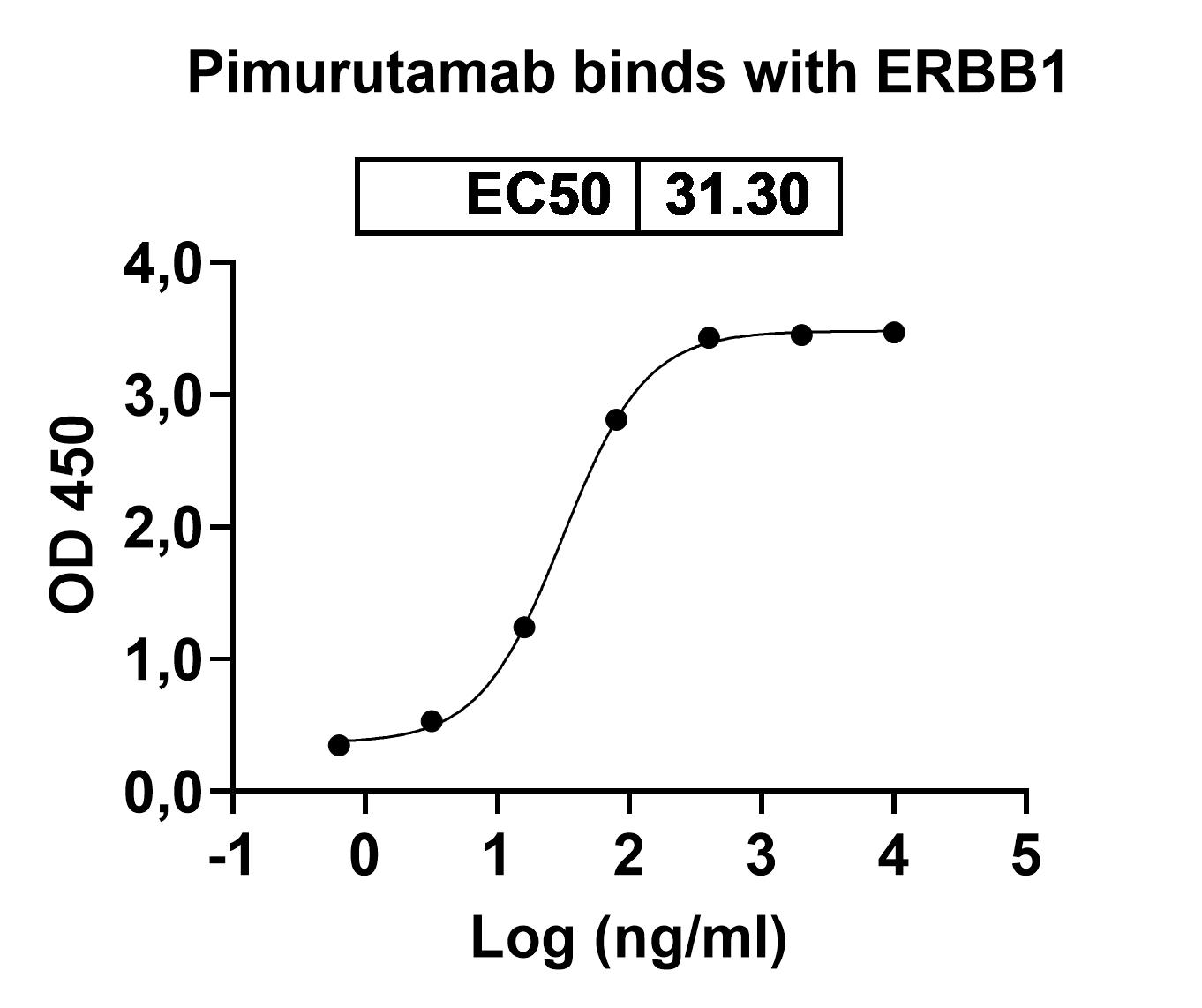
The primary activity of Pemtumomab Biosimilar is its ability to bind to the MUC-1 antigen. MUC-1 is a glycoprotein that is overexpressed in many types of cancer, including breast, lung, and pancreatic cancer. The overexpression of MUC-1 is associated with tumor growth, invasion, and metastasis, making it an attractive therapeutic target.
By binding to the MUC-1 antigen, Pemtumomab Biosimilar can inhibit the growth and spread of cancer cells. It does this by blocking the interaction between MUC-1 and other proteins that are involved in cancer progression. Additionally, Pemtumomab Biosimilar can also activate the immune system to target and destroy cancer cells, a process known as antibody-dependent cell-mediated cytotoxicity (ADCC).
Applications of Pemtumomab Biosimilar
Pemtumomab Biosimilar is being researched for its potential therapeutic applications in various types of cancer. Some of the specific applications being explored include:
1. Breast Cancer: Studies have shown that MUC-1 is overexpressed in up to 90% of breast cancer cases. Pemtumomab Biosimilar has shown promising results in preclinical studies as a potential treatment for breast cancer. It has been shown to inhibit tumor growth and induce cancer cell death in breast cancer models.
2. Lung Cancer: MUC-1 is also overexpressed in non-small cell lung
cancer (NSCLC), the most common type of lung cancer. Pemtumomab Biosimilar has been shown to bind to MUC-1 and inhibit the growth and spread of NSCLC cells. It has also been shown to enhance the effectiveness of chemotherapy in lung cancer models.
3. Pancreatic Cancer: Pancreatic
cancer is one of the most aggressive and deadly forms of cancer, with a very low survival rate. MUC-1 is overexpressed in pancreatic cancer and is associated with poor prognosis. Pemtumomab Biosimilar has shown promising results in preclinical studies as a potential treatment for pancreatic cancer. It has been shown to inhibit tumor growth and enhance the effectiveness of chemotherapy.
4. Other Cancers: In addition to breast, lung, and pancreatic cancer, Pemtumomab Biosimilar is also being researched for its potential applications in other types of cancer, including ovarian, colon, and prostate cancer. These cancers also overexpress MUC-1, making it a potential therapeutic target for Pemtumomab Biosimilar.
Conclusion
Pemtumomab Biosimilar, also known as Anti-MUC-1 mAb, is a promising monoclonal antibody that targets the MUC-1 antigen. Its structure, activity, and potential applications make it a promising candidate for the treatment of various types of cancer. Further research and clinical trials are needed to fully understand the potential of Pemtumomab Biosimilar as a therapeutic option for cancer patients.

There are no reviews yet.