Pelgifatamab Biosimilar – Anti-FOLH1 mAb – Research Grade
Pelgifatamab Biosimilar – Anti-FOLH1 mAb – Research Grade: A Promising Antibody for Targeting FOLH1 Pelgifatamab Biosimilar, also known as Anti-FOLH1 mAb, is a research grade monoclonal antibody that has shown great potential in targeting FOLH1, a therapeutic target for various types of cancer. In this article, we will explore the structure, activity, and applications of this promising antibody in detail.
The Structure of Pelgifatamab Biosimilar
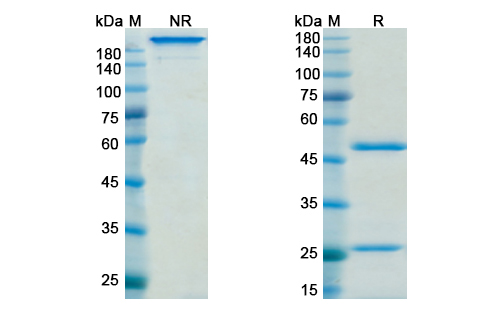
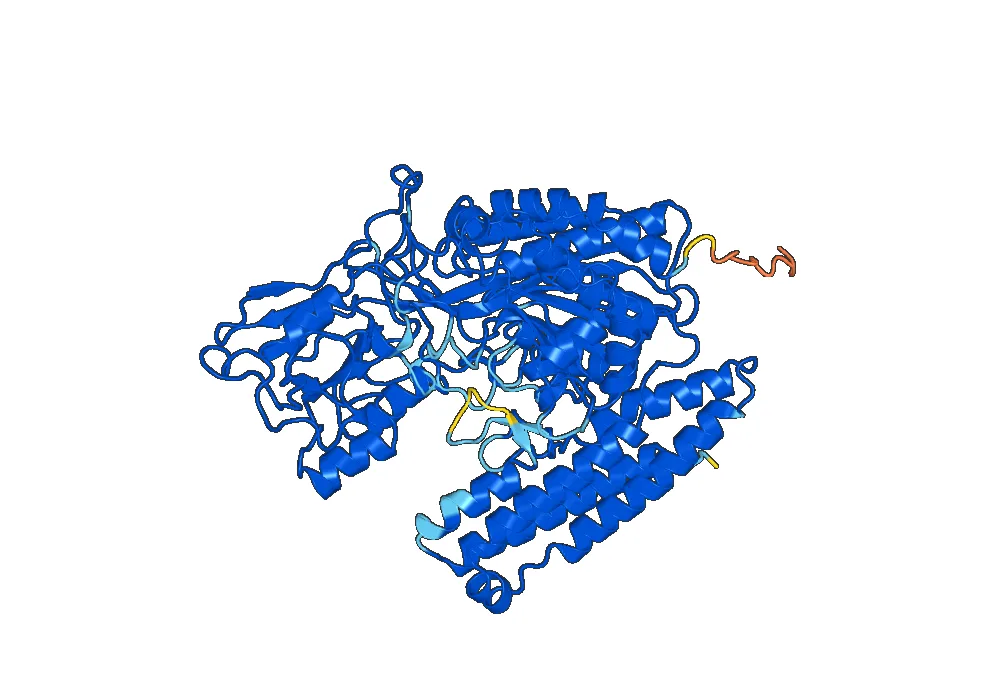
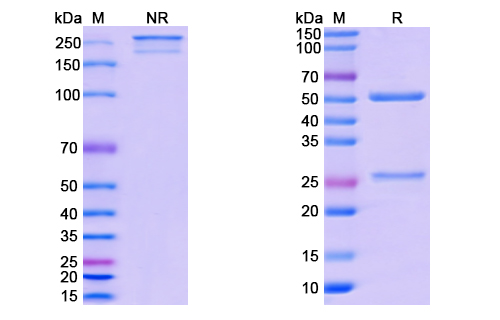
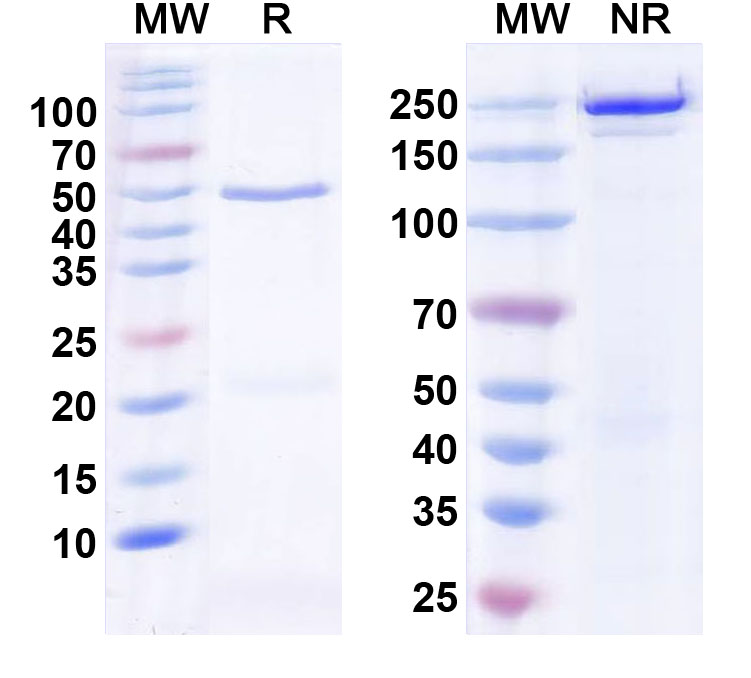
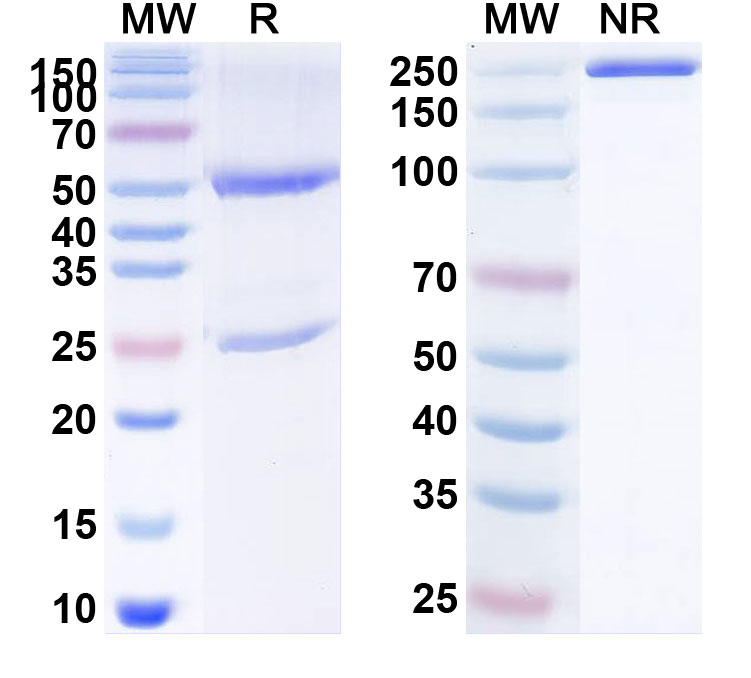
Pelgifatamab Biosimilar is a fully humanized monoclonal antibody, meaning it is derived from human cells and has a high affinity for its target. It is composed of two identical heavy chains and two identical light chains, connected by disulfide bonds. The antibody has a molecular weight of approximately 150 kDa and belongs to the IgG1 subtype.
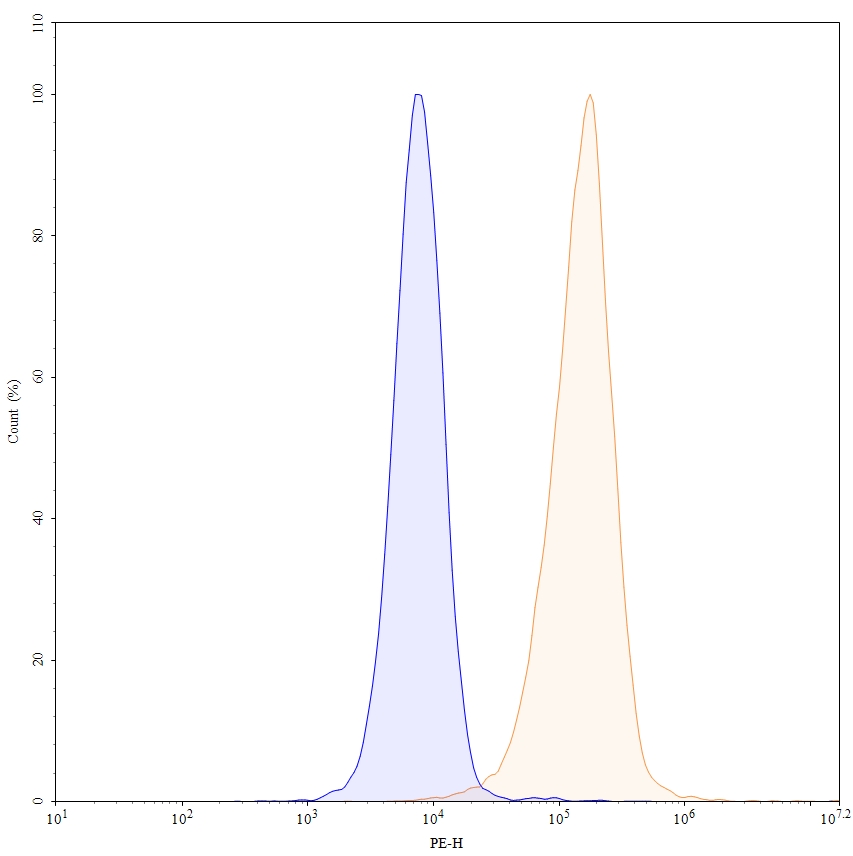
The specific binding site of Pelgifatamab Biosimilar is located on the variable region of the heavy chain, which recognizes and binds to FOLH1 with high specificity. This binding site is crucial for the antibody’s activity and makes it a potent therapeutic agent for targeting FOLH1-expressing cancer cells.
The Activity of Pelgifatamab Biosimilar
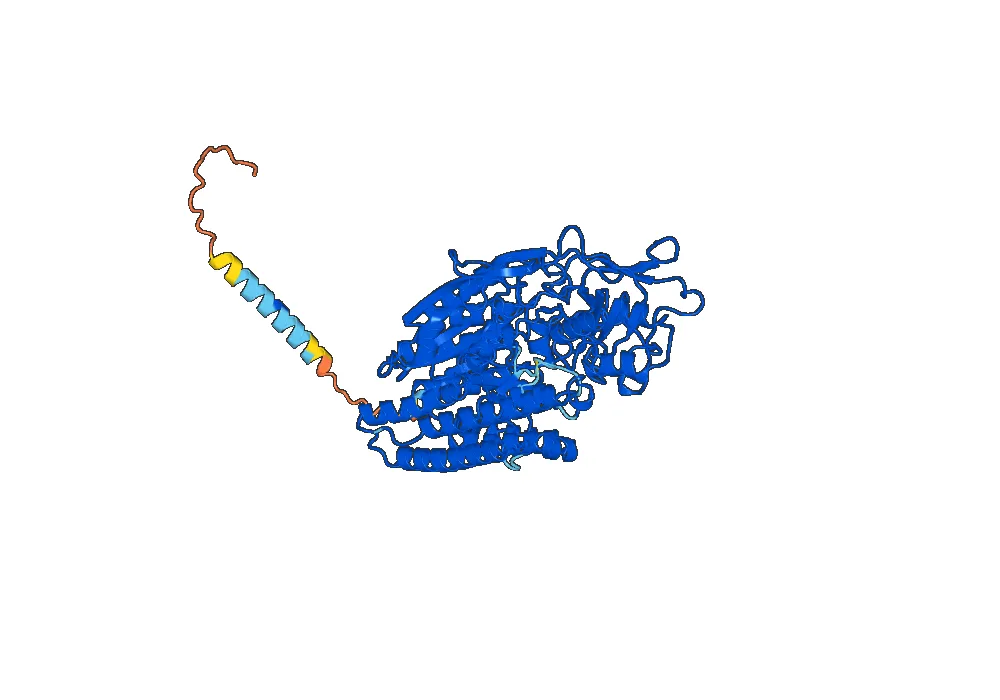
Pelgifatamab Biosimilar has been shown to exhibit strong anti-tumor activity in preclinical studies. It works by binding to FOLH1, a transmembrane protein that is highly expressed on the surface of various cancer cells, including prostate, lung, and breast cancer. This binding leads to the internalization of the antibody-antigen complex, resulting in the destruction of cancer cells through various mechanisms such as antibody-dependent cellular cytotoxicity (ADCC) and complement-dependent cytotoxicity (CDC).
In addition to its direct anti-tumor effects, Pelgifatamab Biosimilar has also been shown to enhance the activity of other cancer therapies, such as chemotherapy and radiation, when used in combination. This makes it a promising candidate for combination therapy in the treatment of cancer.
Applications of Pelgifatamab Biosimilar
The potential applications of Pelgifatamab Biosimilar are vast, given its strong anti-tumor activity and ability to enhance the effects of other cancer treatments. Some of the key applications of this antibody include:
- Treatment of FOLH1-expressing cancers: Pelgifatamab Biosimilar has shown promising results in preclinical studies for the treatment of prostate, lung, and breast cancer, which are known to overexpress FOLH1.
- Combination therapy: As mentioned earlier, Pelgifatamab Biosimilar has the potential to enhance the effects of other cancer therapies, making it a valuable addition to combination treatment regimens.
- Research tool: The research grade of Pelgifatamab Biosimilar makes it an ideal tool for studying the role of FOLH1 in cancer development and progression. It can also be used in diagnostic tests to detect FOLH1 expression in cancer cells.
Conclusion
Pelgifatamab Biosimilar, also known as Anti-FOLH1 mAb, is a research grade monoclonal antibody that has shown great potential in targeting FOLH1, a therapeutic target for various types of cancer. Its unique structure and strong anti-tumor activity make it a promising candidate for the treatment of FOLH1-expressing cancers. With its potential to enhance the effects of other cancer therapies, Pelgifatamab Biosimilar holds great promise in improving cancer treatment outcomes. Further clinical studies are needed to fully explore the potential of this antibody in the fight against cancer.

There are no reviews yet.