Panitumumab ELISA Kit: A Comprehensive Guide Panitumumab ELISA Kit: Structure, Activity and Application Introduction
Panitumumab is a monoclonal antibody that targets the epidermal growth factor receptor (EGFR), a protein that is overexpressed in many types of cancer. It is used as a therapeutic agent for the treatment of metastatic colorectal cancer and head and neck cancer. The Panitumumab ELISA Kit is a highly sensitive and specific tool for the detection and quantification of this important therapeutic target.
Structure of Panitumumab
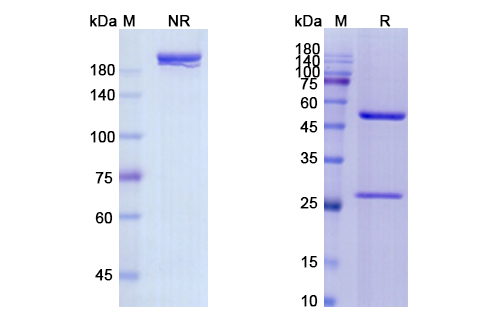
Panitumumab is a fully humanized IgG2 monoclonal antibody, meaning that it is derived from human cells and has a structure similar to the antibodies produced by our own immune system. It is composed of two heavy chains and two light chains, each with distinct regions that contribute to its function.
The variable region of Panitumumab is responsible for its specificity and binding to EGFR. This region contains six complementarity-determining regions (CDRs) that interact with specific amino acid sequences on the target protein. The constant region of the antibody is responsible for its effector functions, such as activating the immune system to attack cancer cells.
Activity of Panitumumab
Panitumumab binds to the extracellular domain of EGFR, preventing the binding of its natural ligands and inhibiting downstream signaling pathways. This leads to decreased cell proliferation and increased cell death in cancer cells that overexpress EGFR.
In addition to its direct anti-tumor effects, Panitumumab also has immunomodulatory properties. It can activate immune cells, such as natural killer cells and macrophages, to target and destroy cancer cells. This makes it a powerful tool in the fight against cancer.
Application of Panitumumab ELISA Kit
The Panitumumab ELISA Kit is a valuable tool for researchers and clinicians studying EGFR and its role in cancer. It allows for the quantification of Panitumumab in various biological samples, such as serum, plasma, and tissue lysates.
The kit utilizes a sandwich ELISA format, where the target antibody is captured by a specific coating antibody and then detected by a secondary antibody conjugated to an enzyme. The resulting color change is measured and correlates to the amount of Panitumumab present in the sample.
This highly sensitive and specific assay can detect Panitumumab at levels as low as 0.1 ng/mL, making it a valuable tool for pharmacokinetic studies and monitoring of treatment efficacy. It can also be used to screen for potential drug interactions or to assess patient compliance with therapy.
Conclusion
In summary, the Panitumumab ELISA Kit is a vital tool for the detection and quantification of Panitumumab, a monoclonal antibody used in the treatment of cancer. Its structure, activity, and application make it a powerful therapeutic agent and a valuable tool for research and clinical practice. With its high sensitivity and specificity, this kit is an essential addition to any laboratory studying EGFR and its role in cancer biology.

There are no reviews yet.