Introduction
Lodelcizumab, also known as REGN 727, is a monoclonal antibody that has been developed as a potential therapeutic target for various diseases. It is a humanized IgG1 antibody that specifically binds to the protein angiopoietin-2 (Ang-2), inhibiting its interaction with its receptor Tie2. This interaction plays a crucial role in various physiological and pathological processes, making lodelcizumab a promising candidate for therapeutic intervention. In this article, we will explore the structure, activity, and application of the Lodelcizumab ELISA Kit.
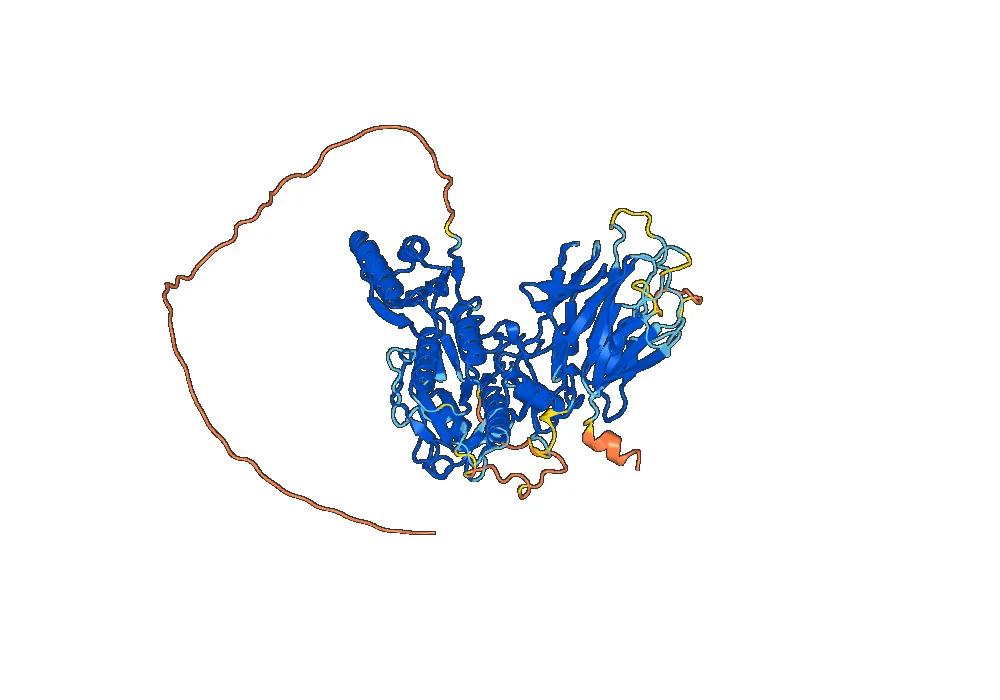
Structure of Lodelcizumab
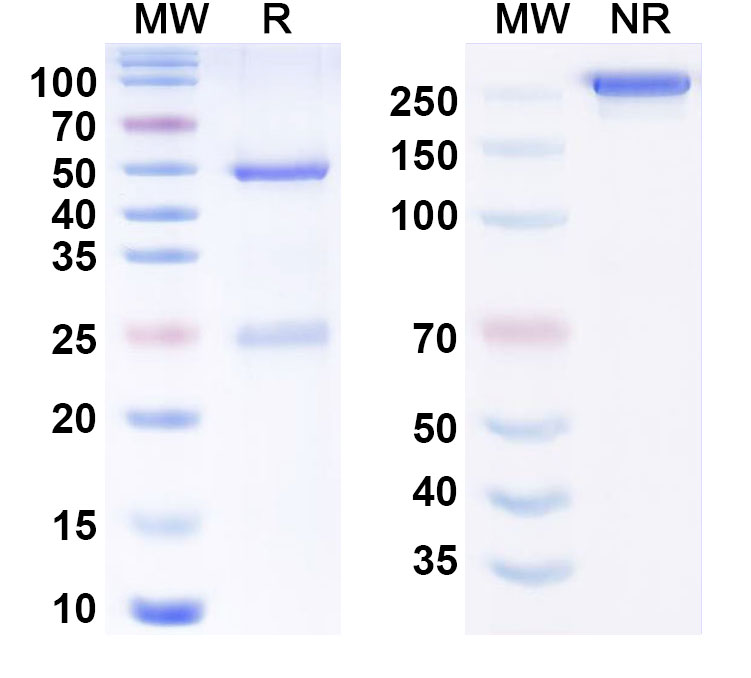
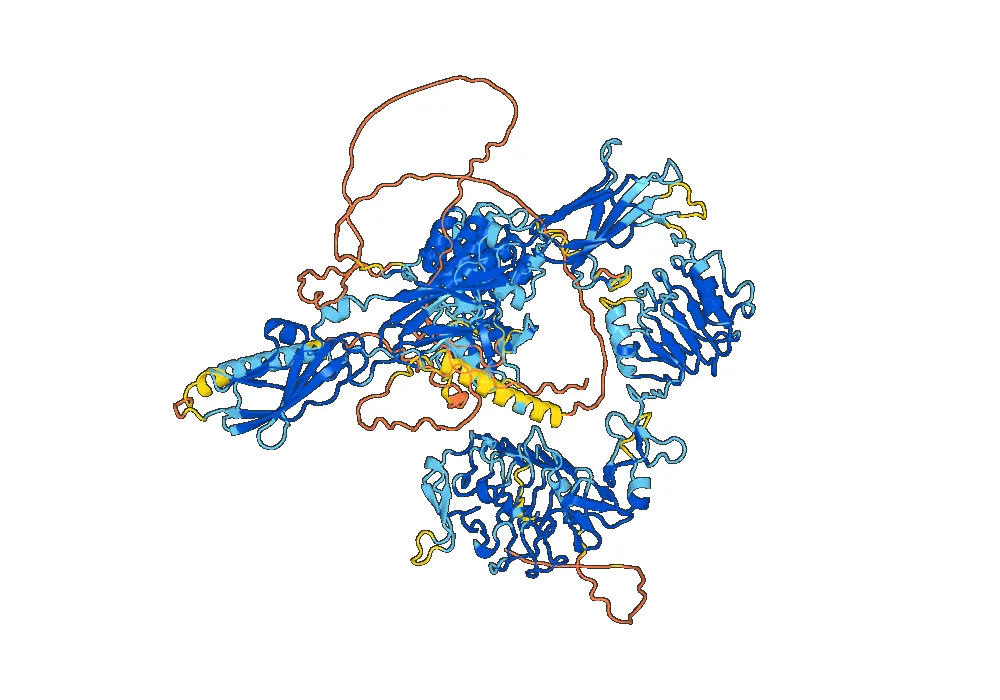
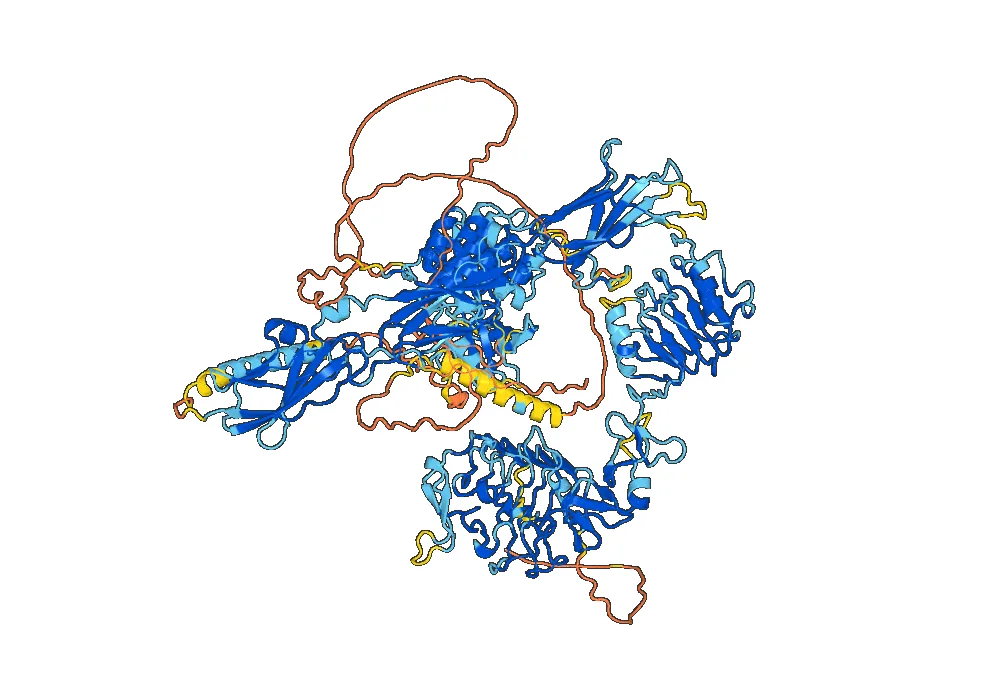
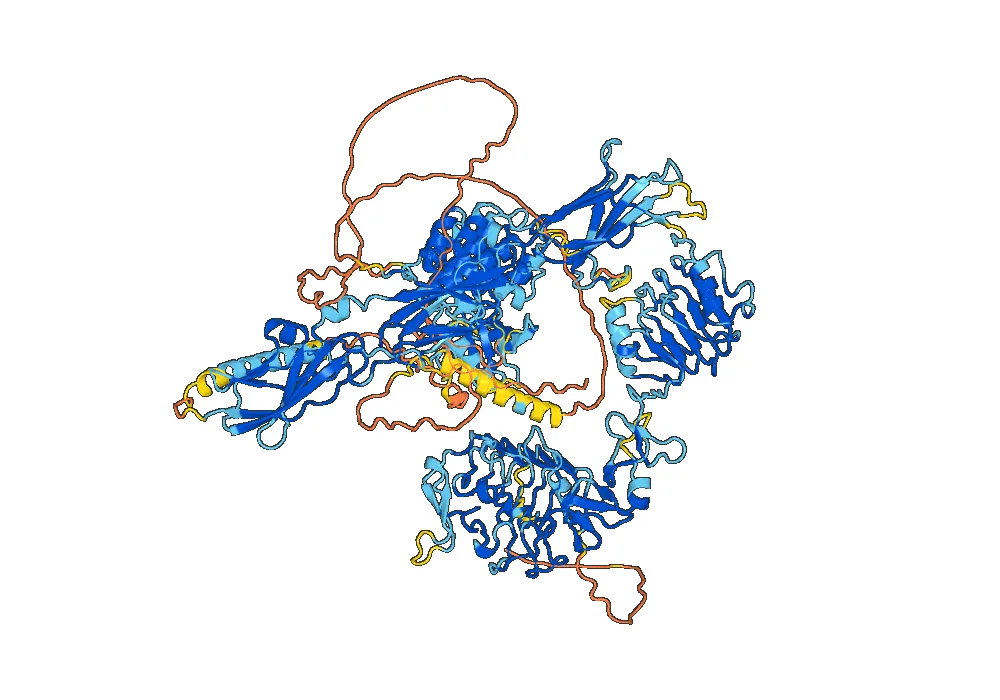
Lodelcizumab is a monoclonal antibody that is produced through recombinant DNA technology. It is a humanized antibody, meaning it has been engineered to have a high degree of similarity to human antibodies. This reduces the risk of immune reactions and increases the efficacy of the antibody. Lodelcizumab has a molecular weight of approximately 150 kDa and is composed of two heavy chains and two light chains, connected by disulfide bonds. The heavy chains consist of constant and variable regions, while the light chains have only variable regions.
Activity of Lodelcizumab
Lodelcizumab exerts its activity by specifically binding to Ang-2 and inhibiting its interaction with the Tie2 receptor. Ang-2 is a protein that is involved in the regulation of blood vessel formation and maintenance. It is upregulated in various diseases, including cancer, cardiovascular diseases, and inflammatory disorders. By inhibiting the Ang-2/Tie2 interaction, lodelcizumab can modulate angiogenesis, inflammation, and tissue repair processes.
Mechanism of Action
Lodelcizumab binds to a specific epitope on Ang-2, preventing its interaction with the Tie2 receptor. This disrupts the signaling pathway that is activated by the Ang-2/Tie2 interaction, leading to downstream effects on angiogenesis and inflammation. Additionally, lodelcizumab can also induce the internalization and degradation of Ang-2, further reducing its activity.
Application of Lodelcizumab ELISA Kit
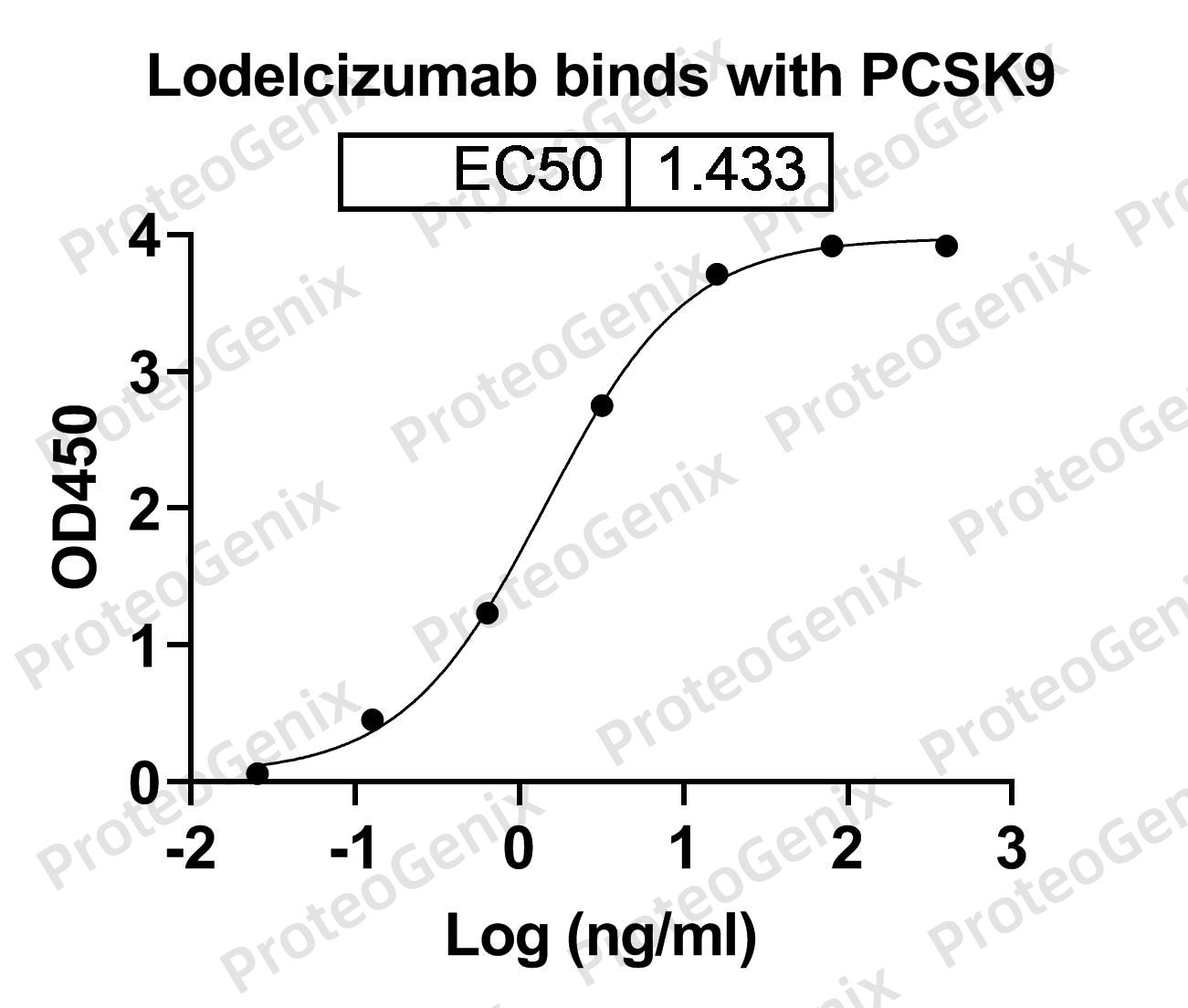
The Lodelcizumab ELISA Kit is a valuable tool for the quantification of lodelcizumab in various biological samples. It is a highly sensitive and specific assay that utilizes the sandwich ELISA principle. The kit contains all the necessary components for the detection of lodelcizumab, including pre-coated plates, detection and capture antibodies, and standards. The assay can detect lodelcizumab in a range of 0.1-10 ng/mL, making it suitable for both preclinical and clinical studies.
Clinical Applications
Lodelcizumab is currently being investigated as a potential therapeutic for various diseases, including cancer, cardiovascular diseases, and inflammatory disorders. In a phase II clinical trial, lodelcizumab showed promising results in reducing the size of tumors in patients with advanced ovarian cancer. It is also being studied as a potential treatment for diabetic macular edema, a common complication of diabetes that can lead to vision loss.
Preclinical Applications
In preclinical studies, lodelcizumab has shown potential in the treatment of inflammatory diseases such as rheumatoid arthritis and psoriasis. It has also shown promising results in reducing atherosclerotic plaque formation in animal models of atherosclerosis. Furthermore, lodelcizumab has been shown to enhance the efficacy of chemotherapy in cancer treatment by inhibiting angiogenesis and promoting tumor regression.
Conclusion
In conclusion, lodelcizumab is a promising therapeutic target for various diseases due to its ability to inhibit the Ang-2/Tie2 signaling pathway. The Lodelcizumab ELISA Kit is a valuable tool for the quantification of this antibody in different biological samples, facilitating its
There are no reviews yet.