Introduction
Onacrisantaspase Biosimilar, also known as Anti-L-asparagine amidohydrolase mAb, is a research grade antibody that has gained significant attention in the field of cancer treatment. This biosimilar is a monoclonal antibody that specifically targets and inhibits the activity of L-asparagine amidohydrolase, an enzyme involved in the metabolism of asparagine. In this article, we will delve into the structure, activity, and potential applications of Onacrisantaspase Biosimilar.
Structure of Onacrisantaspase Biosimilar
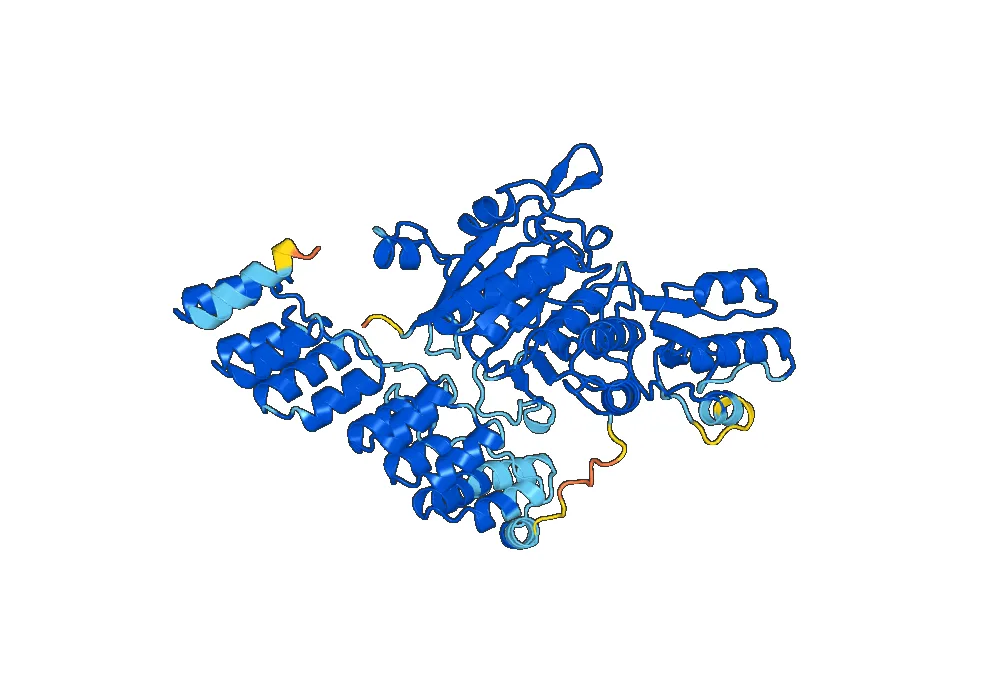
Onacrisantaspase Biosimilar is a recombinant humanized monoclonal antibody that is produced using advanced genetic engineering techniques. It is composed of two identical heavy chains and two identical light chains, each containing a variable region and a constant region. The variable regions of the antibody are responsible for binding to the target enzyme, while the constant regions provide stability and determine the antibody’s effector functions.
Activity of Onacrisantaspase Biosimilar
The primary activity of Onacrisantaspase Biosimilar is the inhibition of L-asparagine amidohydrolase, an enzyme that plays a crucial role in the metabolism of asparagine. Asparagine is an essential amino acid required for the growth and survival of cancer cells. By inhibiting L-asparagine amidohydrolase, Onacrisantaspase Biosimilar reduces the availability of asparagine, thereby depriving cancer cells of this vital nutrient and inhibiting their growth.
In addition to its inhibitory activity, Onacrisantaspase Biosimilar also has effector functions that can enhance its anti- cancer effects. These include antibody-dependent cellular cytotoxicity (ADCC) and complement-dependent cytotoxicity (CDC). ADCC involves the binding of the antibody to the target cell, followed by the recruitment of immune cells that can kill the cancer cell. CDC, on the other hand, involves the activation of the complement system, which leads to the formation of pores on the cancer cell’s surface, causing it to burst.
Potential Applications of Onacrisantaspase Biosimilar
Onacrisantaspase Biosimilar has shown promising results in pre-clinical and clinical studies as a potential treatment for various types of cancer. Its ability to inhibit L-asparagine amidohydrolase makes it a potential therapeutic option for cancers that are dependent on asparagine for their growth, such as acute lymphoblastic leukemia (ALL) and some types of lymphoma.
Furthermore, Onacrisantaspase Biosimilar has also shown potential as a combination therapy with other anti- cancer drugs. Studies have demonstrated that combining this biosimilar with chemotherapeutic agents can enhance their effectiveness and reduce their toxic side effects. This is because Onacrisantaspase Biosimilar targets a specific aspect of cancer cell metabolism, making it a complementary treatment to traditional chemotherapy.
Another potential application of Onacrisantaspase Biosimilar is in the treatment of certain autoimmune diseases. Asparagine has been implicated in the pathogenesis of autoimmune disorders, and inhibiting its metabolism with this biosimilar could potentially alleviate symptoms and improve patient outcomes.
Conclusion
Onacrisantaspase Biosimilar, also known as Anti-L-asparagine amidohydrolase mAb, is a research grade antibody with a specific target and multiple potential applications. Its unique structure and inhibitory activity make it a promising therapeutic option for various types of cancer, both as a monotherapy and in combination with other treatments. Further research and clinical trials are needed to fully understand the potential of this biosimilar and its role in the treatment of cancer and other diseases.
There are no reviews yet.