Introduction to Mupadolimab Biosimilar – Anti-CD73 mAb
Mupadolimab Biosimilar – Anti-CD73 mAb is a novel therapeutic antibody that targets CD73, a protein involved in the regulation of immune response and tumor growth. This biosimilar is a promising addition to the field of immunotherapy, as it has shown potential in treating various cancers and autoimmune diseases. In this article, we will delve into the structure, activity, and potential applications of Mupadolimab Biosimilar – Anti-CD73 mAb.
Structure of Mupadolimab Biosimilar – Anti-CD73 mAb
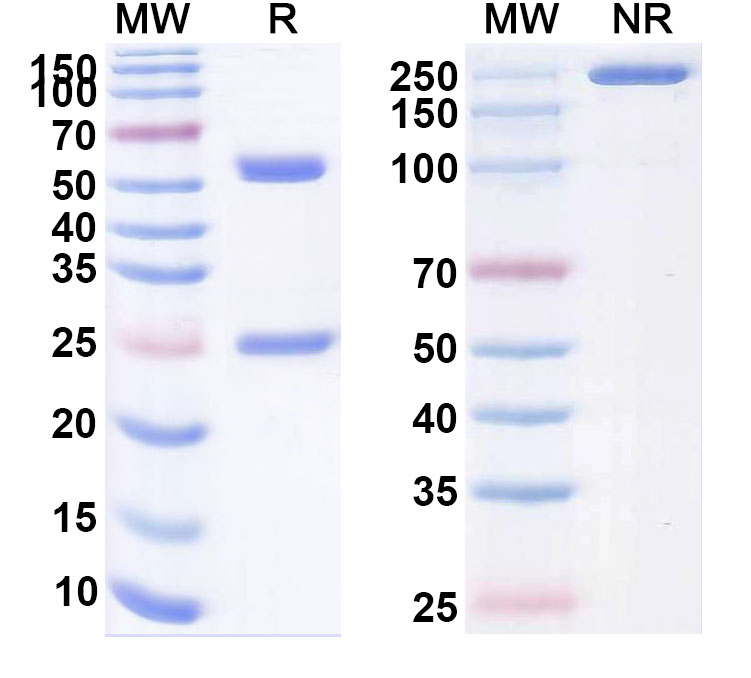
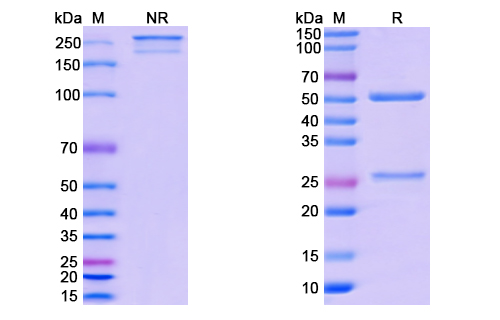
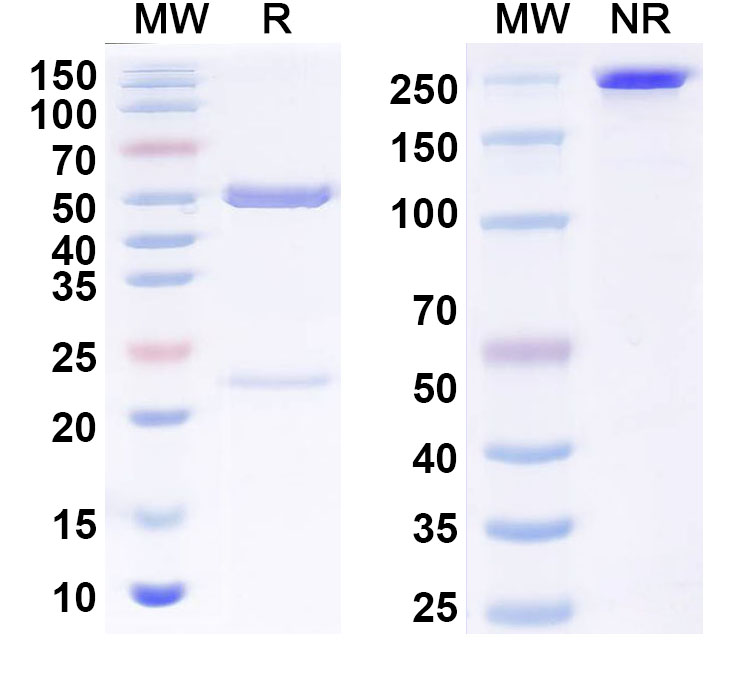
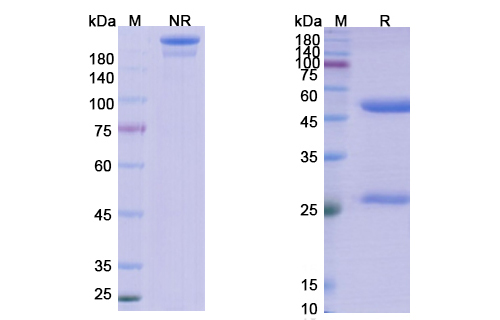
Mupadolimab Biosimilar – Anti-CD73 mAb is a monoclonal antibody, meaning it is produced by a single type of immune cell. It is a biosimilar of the original drug, Mupadolimab, which is a fully humanized IgG1 antibody. This means that the antibody is composed of two heavy chains and two light chains, each containing a variable region that specifically binds to CD73. The constant region of the antibody is responsible for its effector functions, such as activating immune cells to attack tumor cells.
Activity of Mupadolimab Biosimilar – Anti-CD73 mAb
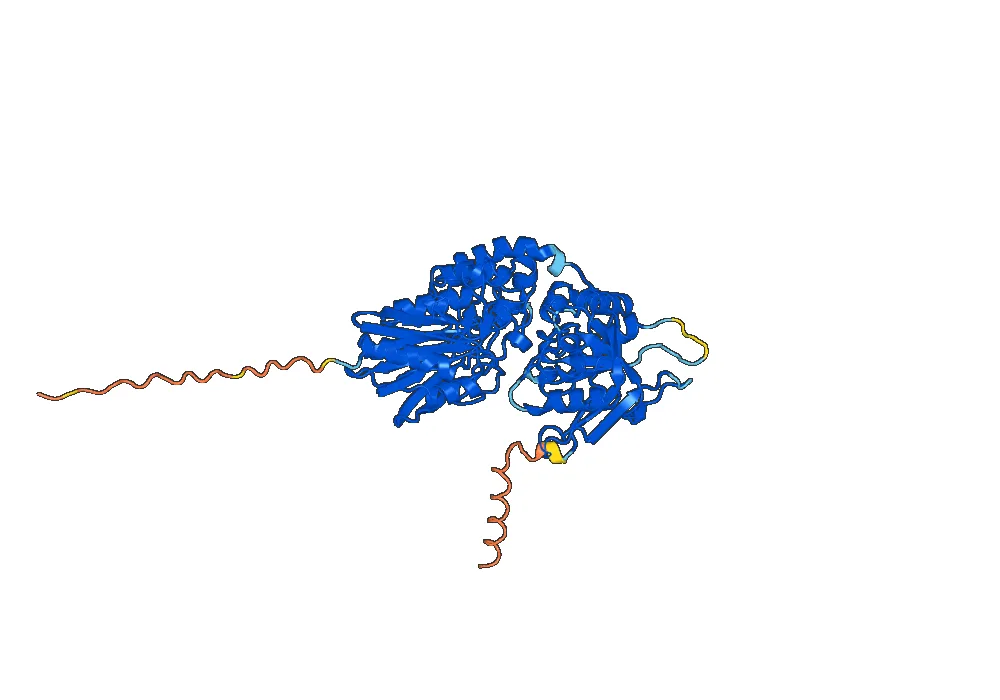
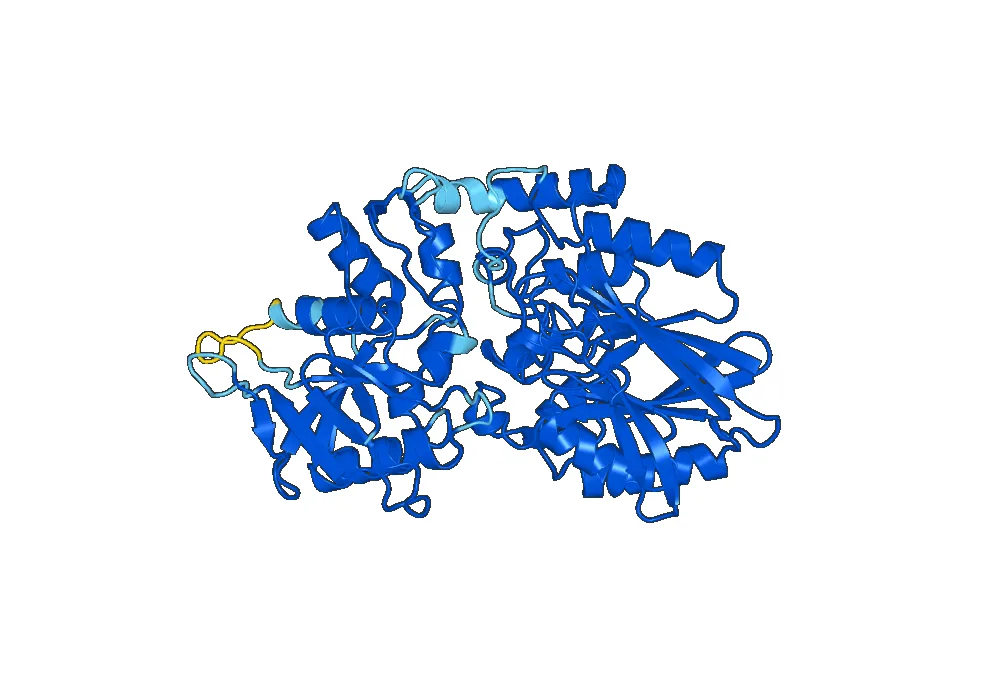
CD73 is an ecto-enzyme that is found on the surface of various cells, including immune cells and tumor cells. It plays a crucial role in promoting tumor growth by converting extracellular ATP into adenosine, which suppresses the immune response. Mupadolimab Biosimilar – Anti-CD73 mAb works by binding to CD73 and inhibiting its enzymatic activity, thus preventing the production of adenosine. This leads to an increase in immune response against tumors, making it a potential treatment for cancer.
Title: Potential Applications of Mupadolimab Biosimilar – Anti-CD73 mAb
Mupadolimab Biosimilar – Anti-CD73 mAb has shown promising results in preclinical studies and is currently being evaluated in clinical trials for the treatment of various cancers, including melanoma, lung cancer, and breast cancer. It has also shown potential in treating autoimmune diseases, such as rheumatoid arthritis and multiple sclerosis, as CD73 is involved in the regulation of immune response. Additionally, this biosimilar has the potential to be used in combination with other immunotherapies, such as checkpoint inhibitors, to enhance their efficacy.
Advantages of Mupadolimab Biosimilar – Anti-CD73 mAb
One of the main advantages of Mupadolimab Biosimilar – Anti-CD73 mAb is its specificity for CD73, which minimizes off-target effects. It has also shown low immunogenicity, meaning it is less likely to cause an immune response in patients. Additionally, as a biosimilar, it is expected to be more cost-effective compared to the original drug, making it more accessible to patients.
Conclusion
In conclusion, Mupadolimab Biosimilar – Anti-CD73 mAb is a promising therapeutic antibody that targets CD73 and has shown potential in treating various cancers and autoimmune diseases. Its specific binding to CD73 and low immunogenicity make it a promising addition to the field of immunotherapy. Further research and clinical trials are needed to fully understand the potential of this biosimilar and its role in the treatment of diseases.

There are no reviews yet.