Introduction to MORAb-028 Biosimilar – Anti-Ganglioside GD2 mAb
MORAb-028 Biosimilar is a novel monoclonal antibody (mAb) that targets the ganglioside GD2, a surface molecule found on various types of cancer cells. This biosimilar is a promising therapeutic agent that has shown potential in the treatment of cancer, particularly in pediatric patients.
Structure of MORAb-028 Biosimilar
MORAb-028 Biosimilar is a recombinant humanized IgG1 monoclonal antibody. It is produced by recombinant DNA technology, where the gene for the antibody is inserted into a host cell, such as Chinese hamster ovary (CHO) cells. The resulting antibody is then purified and formulated for therapeutic use.
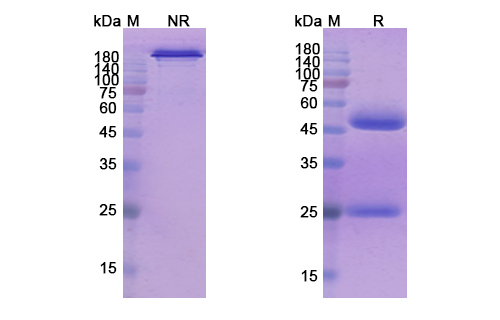
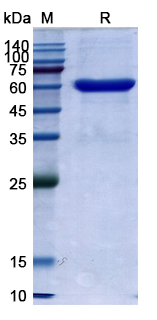
The antibody has a molecular weight of approximately 150 kDa and consists of two heavy chains and two light chains. The heavy chains contain four constant domains (CH1, CH2, CH3, and CH4) and one variable domain (VH), while the light chains contain two constant domains (CL and CL1) and one variable domain (VL).
Activity of MORAb-028 Biosimilar
MORAb-028 Biosimilar specifically binds to the ganglioside GD2, which is overexpressed on the surface of various cancer cells, including neuroblastoma, melanoma, and osteosarcoma. The binding of MORAb-028 Biosimilar to GD2 leads to antibody-dependent cell-mediated cytotoxicity (ADCC) and complement-dependent cytotoxicity (CDC), resulting in the destruction of cancer cells.
In addition, MORAb-028 Biosimilar has been shown to induce apoptosis (programmed cell death) in cancer cells, further contributing to its anti-tumor activity. Studies have also demonstrated that MORAb-028 Biosimilar can inhibit tumor growth and metastasis in animal models.
Application of MORAb-028 Biosimilar
MORAb-028 Biosimilar is currently being investigated as a potential treatment for various types of cancer, with a focus on pediatric patients. It is being developed as a biosimilar to the anti-GD2 antibody dinutuximab, which is approved for the treatment of high-risk neuroblastoma.
Neuroblastoma is a type of cancer that develops from immature nerve cells and is the most common type of cancer in infants. It is often diagnosed in children under the age of 5 and has a high mortality rate. MORAb-028 Biosimilar has shown promising results in preclinical studies and is currently in clinical trials for the treatment of neuroblastoma.
In addition to neuroblastoma, MORAb-028 Biosimilar is also being evaluated for the treatment of other cancers that overexpress GD2, including melanoma and osteosarcoma. These cancers are often difficult to treat and have limited treatment options, making MORAb-028 Biosimilar a potentially valuable therapeutic agent.
Conclusion
MORAb-028 Biosimilar is a promising monoclonal antibody that specifically targets the ganglioside GD2, which is overexpressed on the surface of various cancer cells. Its unique structure and activity make it a potent anti- cancer agent, with the potential to treat a range of cancers, particularly in pediatric patients. Further clinical trials will help to determine the safety and efficacy of MORAb-028 Biosimilar, and if successful, it could become an important addition to the treatment options for cancer.


There are no reviews yet.