Mecbotamab Biosimilar: A Promising Anti-AXL mAb for Targeted Cancer Therapy The development of targeted
cancer therapies has revolutionized the treatment of various types of cancer. Monoclonal antibodies (mAbs) have emerged as a promising class of therapeutics for targeted cancer therapy due to their high specificity and low toxicity. Mecbotamab biosimilar, also known as anti-AXL mAb, is a novel monoclonal antibody that is being investigated for its potential in cancer treatment. In this article, we will explore the structure, activity, and potential applications of Mecbotamab biosimilar in the field of cancer research.
Structure of Mecbotamab Biosimilar
Mecbotamab biosimilar is a fully humanized IgG1 monoclonal antibody that specifically targets the AXL receptor tyrosine kinase. It is produced using recombinant DNA technology, where the variable regions of the antibody are derived from human cells and fused with constant regions of mouse antibodies. This process results in a chimeric antibody that has both human and mouse components, making it less immunogenic and more suitable for therapeutic use in humans.
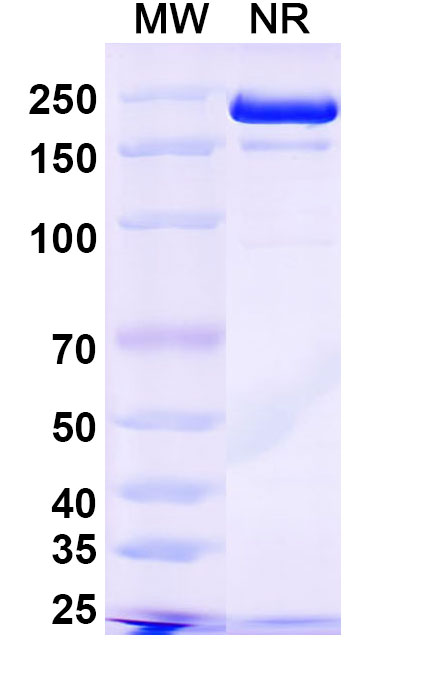
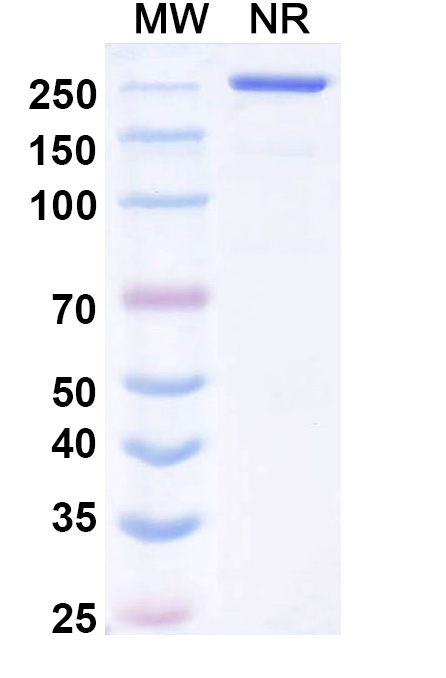
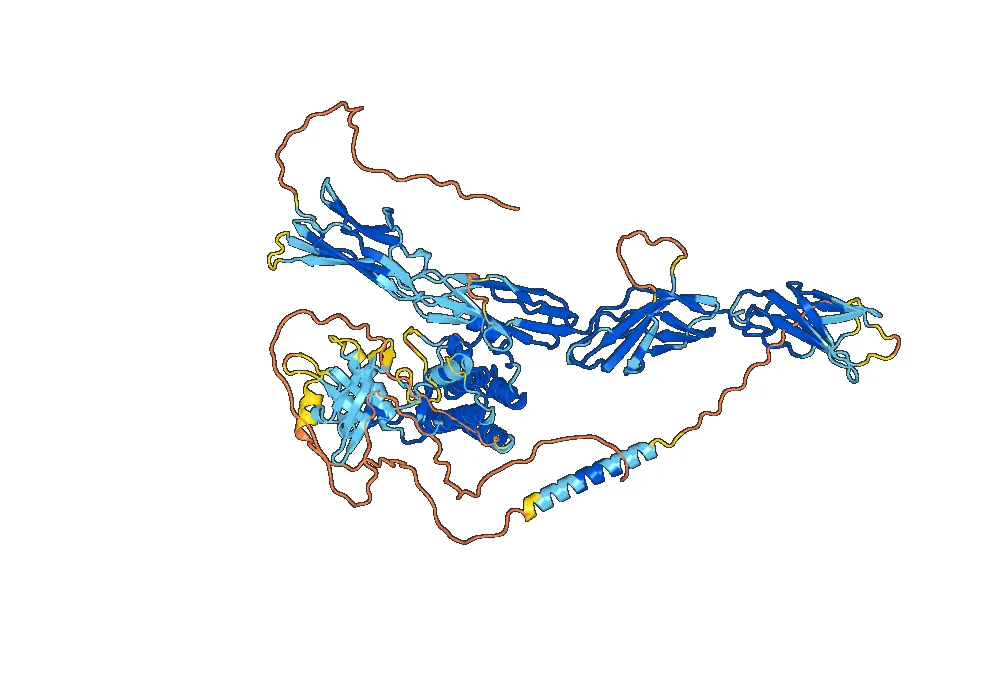
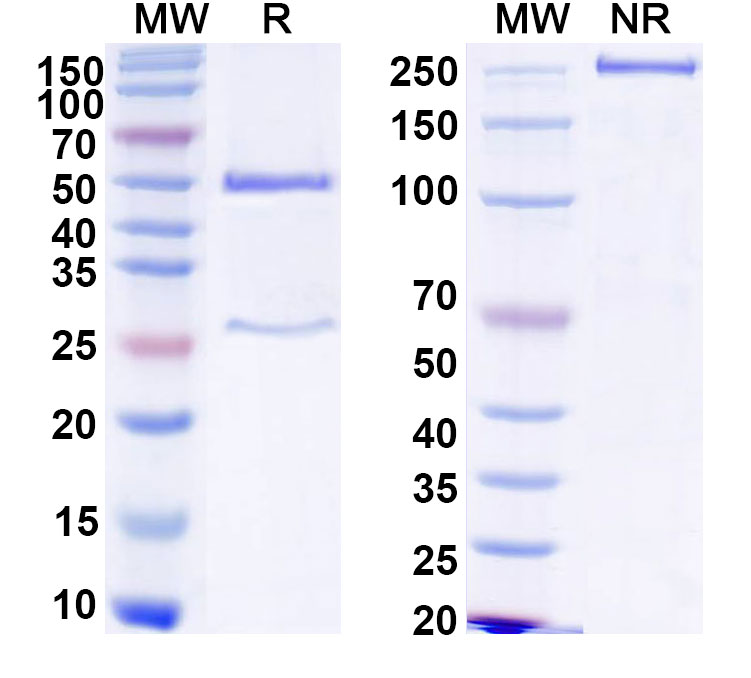
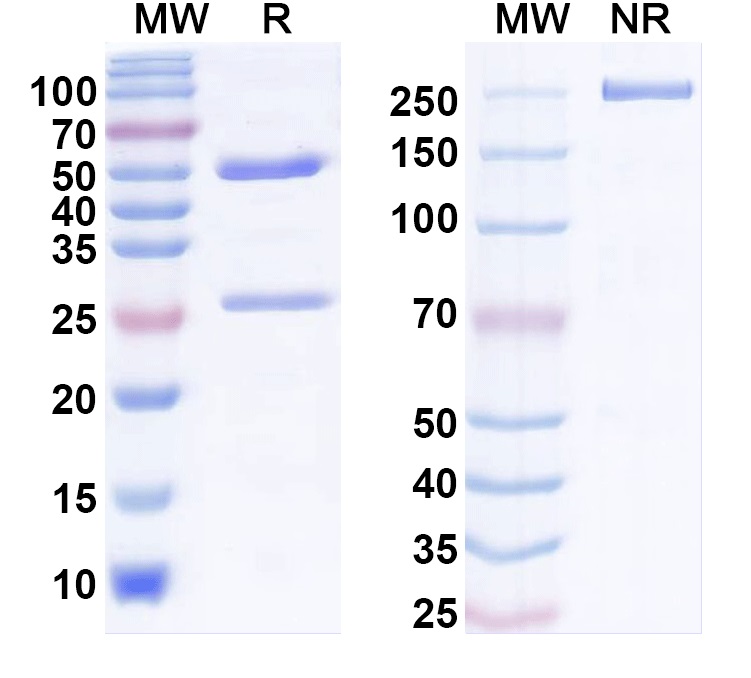
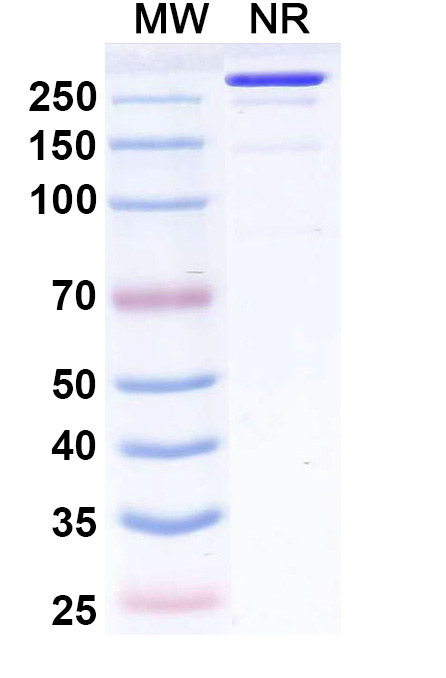
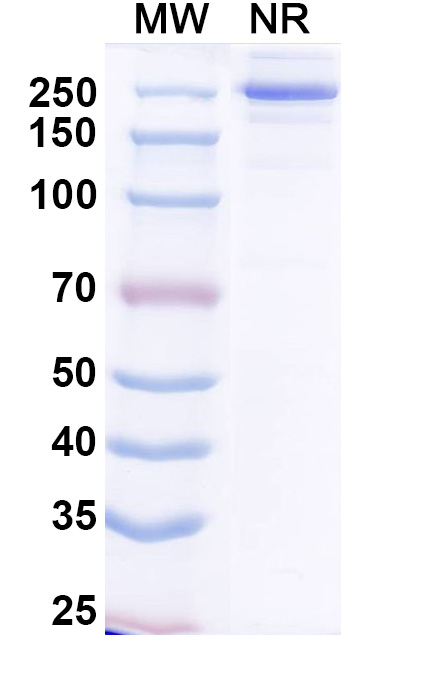
The antibody has a molecular weight of approximately 150 kDa and consists of two heavy chains and two light chains. The heavy chains are composed of four constant domains (CH1, CH2, CH3, and CH4) and one variable domain (VH), while the light chains contain one constant domain (CL) and one variable domain (VL). The variable domains of Mecbotamab biosimilar are responsible for its high specificity and binding affinity towards the AXL receptor.
Activity of Mecbotamab Biosimilar
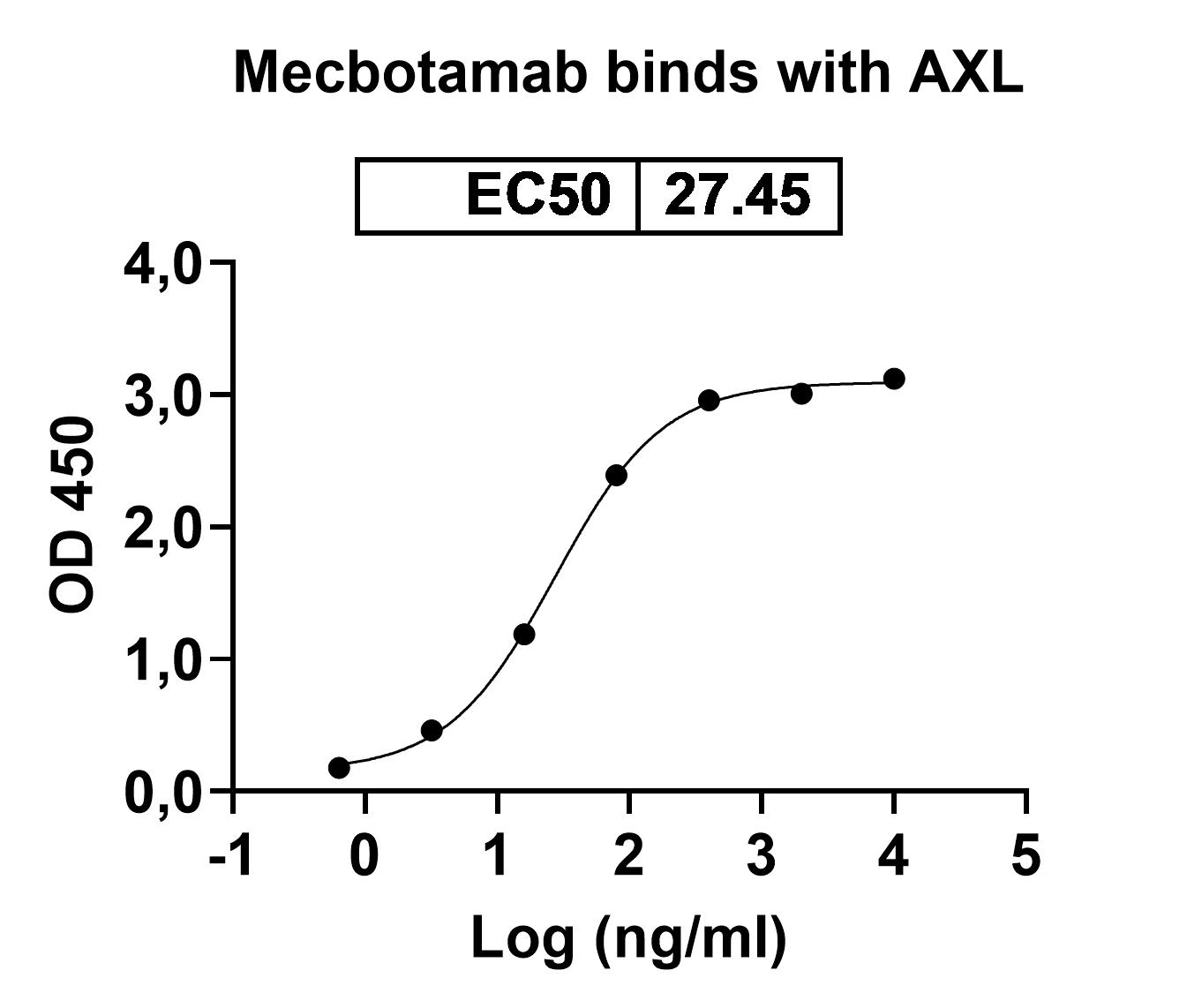
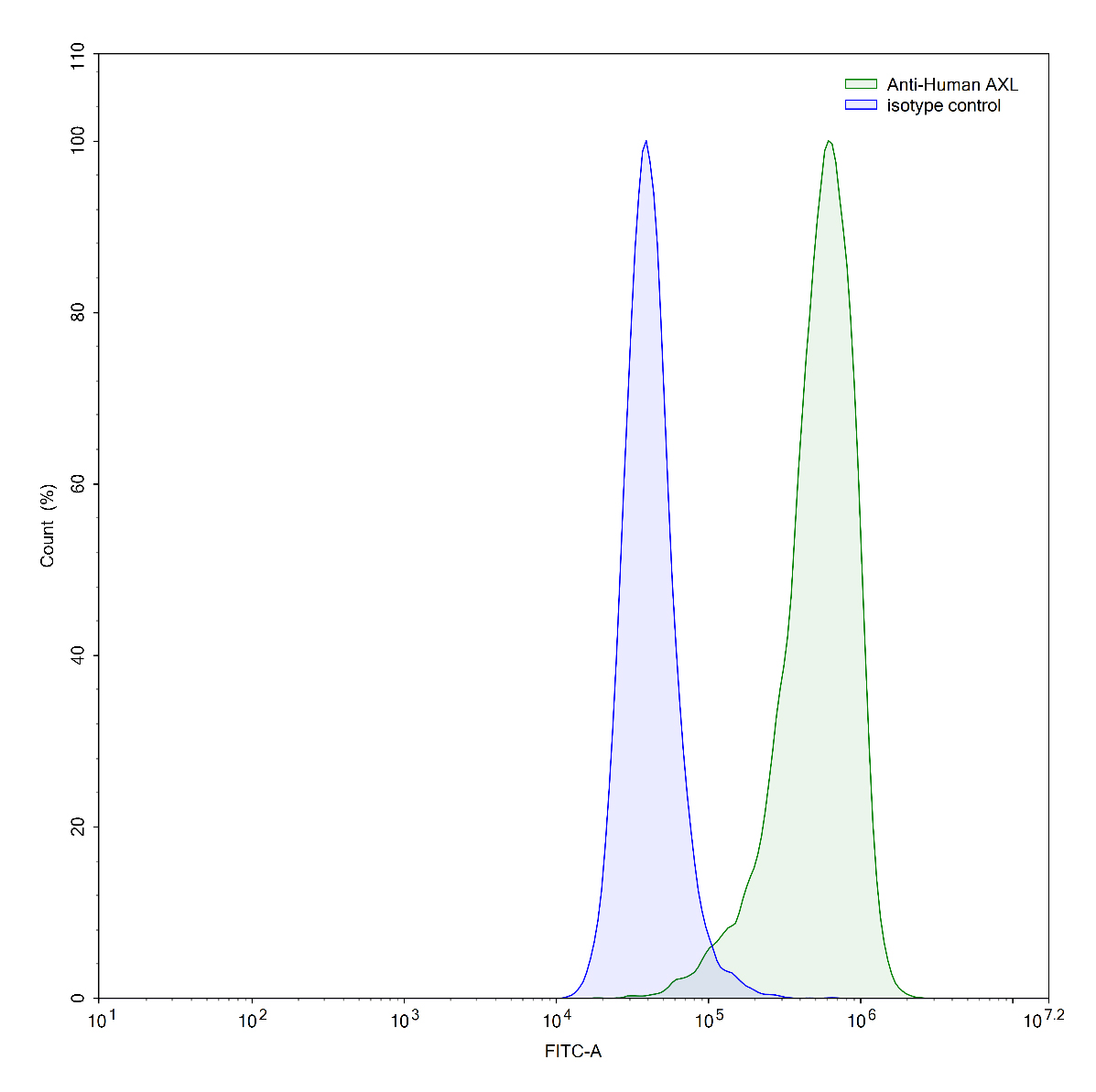
The AXL receptor is a member of the TAM (TYRO3, AXL, and MERTK) family of receptor tyrosine kinases, which play a crucial role in cell survival, proliferation, and migration. AXL is overexpressed in various types of cancer, including breast, lung, and pancreatic cancer, and is associated with tumor growth, metastasis, and resistance to chemotherapy. Mecbotamab biosimilar binds to the AXL receptor and blocks its activity, leading to inhibition of cancer cell growth and survival.
Furthermore, Mecbotamab biosimilar also activates the immune system to target
cancer cells. It can induce antibody-dependent cellular cytotoxicity (ADCC) and complement-dependent cytotoxicity (CDC), where immune cells are recruited to kill cancer cells that are tagged with the antibody. This mechanism of action makes Mecbotamab biosimilar a potential immunotherapy for cancer treatment.
Applications of Mecbotamab Biosimilar
Mecbotamab biosimilar is currently being evaluated in preclinical and clinical studies for its potential in cancer treatment. In preclinical studies, it has shown promising results in inhibiting tumor growth and metastasis in various cancer models. In a phase 1 clinical trial, Mecbotamab biosimilar was well-tolerated and showed preliminary signs of efficacy in patients with advanced solid tumors, including breast, lung, and ovarian cancer.
Additionally, Mecbotamab biosimilar has the potential to be used in combination with other cancer therapies. It has shown synergistic effects when combined with chemotherapy, radiotherapy, and other targeted therapies. This makes it a promising candidate for combination therapy in the treatment of cancer.
Conclusion
In summary, Mecbotamab biosimilar is a novel monoclonal antibody that specifically targets the AXL receptor and has shown promising results in preclinical and clinical studies for its potential in cancer treatment. Its unique structure and mechanism of action make it a promising candidate for targeted cancer therapy, and further studies are needed to fully explore its potential in the field of cancer research.
Keywords: Mecbotamab biosimilar, anti-AXL mAb, monoclonal antibody, cancer therapy

There are no reviews yet.