Introduction
Fiztasovimab Biosimilar, also known as Anti-HHV gB AD-1 mAb, is a novel monoclonal antibody that has been developed as a biosimilar to treat Human Herpesvirus (HHV) infections. This biosimilar has shown promising results in preclinical studies and is currently undergoing clinical trials for its potential use as a therapeutic agent.
Structure of Fiztasovimab Biosimilar
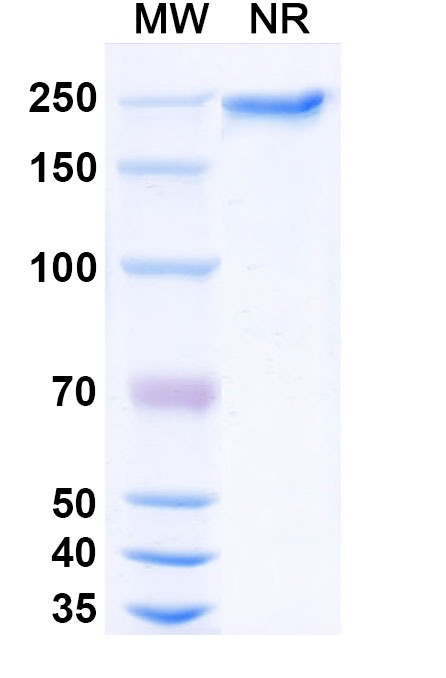
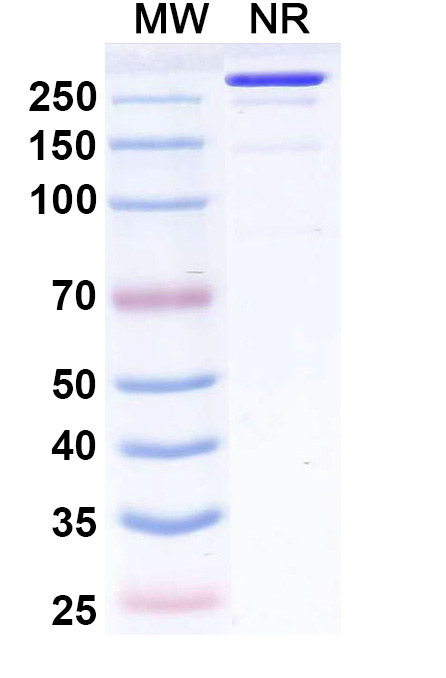
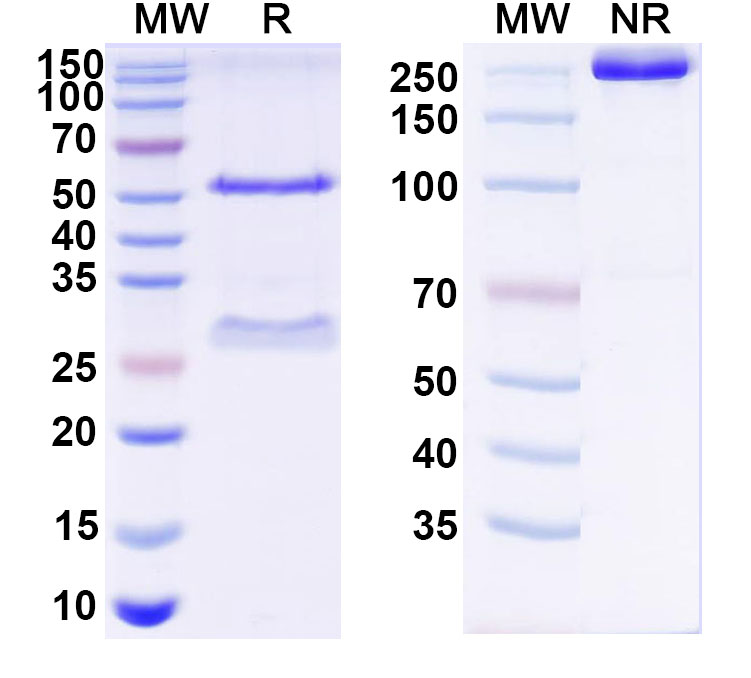
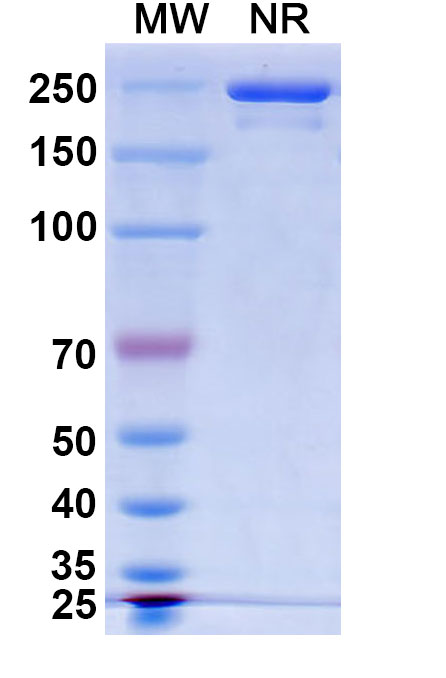
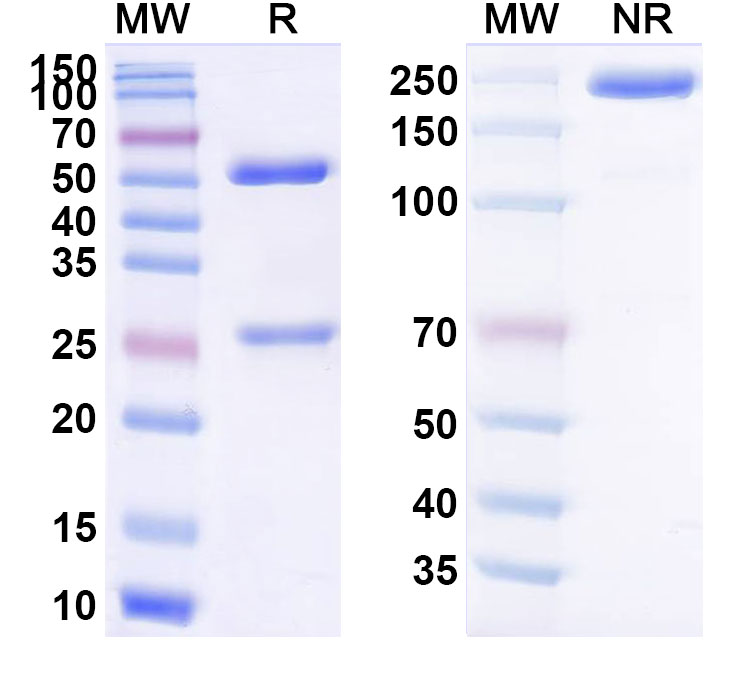
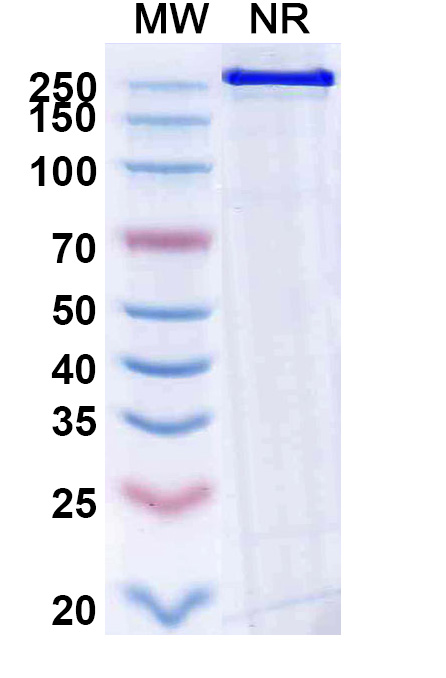
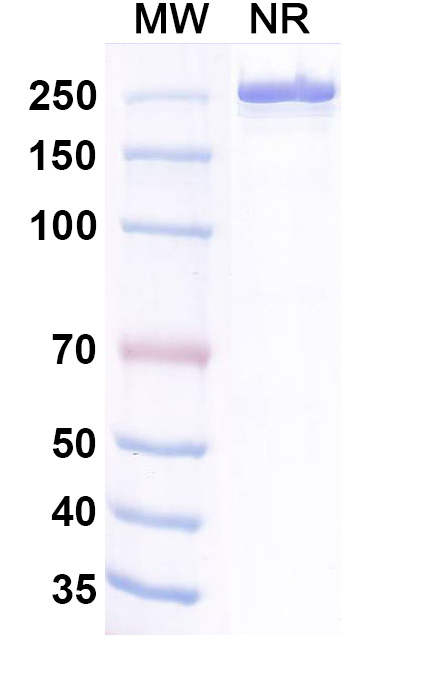
Fiztasovimab Biosimilar is a recombinant humanized monoclonal antibody that has been produced using advanced biotechnology techniques. It is composed of two identical heavy chains and two identical light chains, each with a molecular weight of approximately 150 kDa. The antibody has a Y-shaped structure, with two Fab antigen-binding fragments and one Fc fragment responsible for effector functions.
Activity of Fiztasovimab Biosimilar
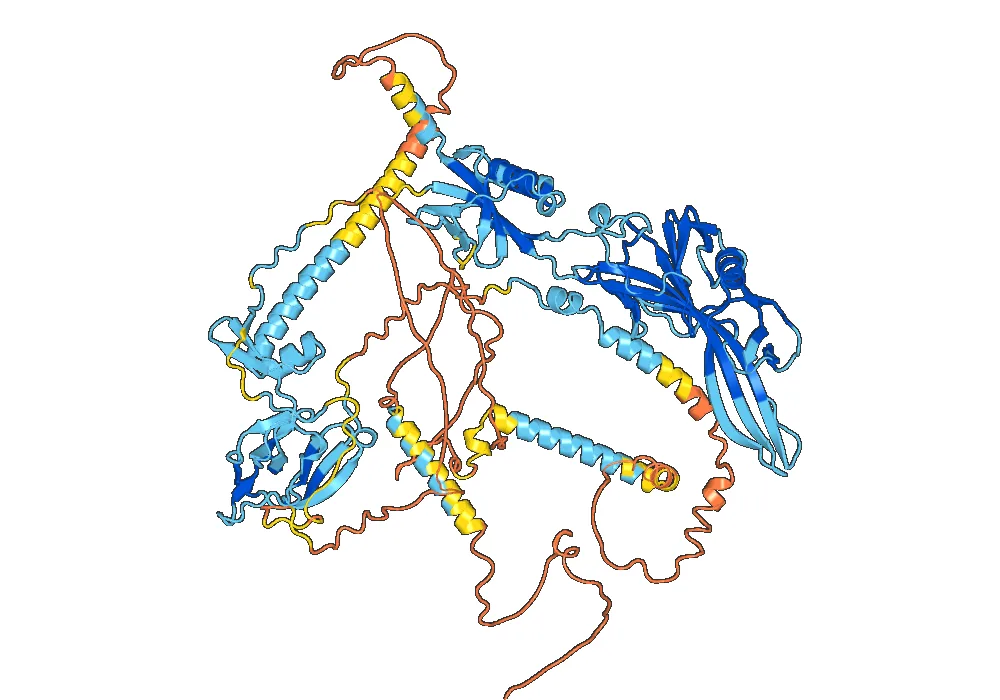
Fiztasovimab Biosimilar targets the glycoprotein B (gB) of HHV, which is a key protein involved in viral entry and fusion with host cells. By binding to gB, Fiztasovimab Biosimilar prevents the virus from entering and infecting cells, thus inhibiting its replication and spread. This mechanism of action makes it a potential therapeutic agent for various HHV infections, including herpes simplex virus (HSV), varicella-zoster virus (VZV), and cytomegalovirus (CMV).
Application of Fiztasovimab Biosimilar
Fiztasovimab Biosimilar has shown promising results in preclinical studies for the treatment of HHV infections. In vitro studies have demonstrated its ability to neutralize the infectivity of various HHV strains, including drug-resistant strains. Additionally, in animal models, Fiztasovimab Biosimilar has shown efficacy in reducing viral load and preventing the development of disease symptoms.
Currently, Fiztasovimab Biosimilar is being evaluated in clinical trials for its potential use as a therapeutic agent. These trials are focused on evaluating its safety, efficacy, and pharmacokinetics in patients with HHV infections. If successful, Fiztasovimab Biosimilar could become a valuable treatment option for patients with HHV infections, especially those who are immunocompromised and at a higher risk of developing severe complications.
Conclusion
Fiztasovimab Biosimilar, also known as Anti-HHV gB AD-1 mAb, is a promising monoclonal antibody biosimilar that targets the glycoprotein B of HHV. Its unique mechanism of action and potential to treat various HHV infections make it a valuable therapeutic agent. With ongoing clinical trials, Fiztasovimab Biosimilar has the potential to become a new treatment option for patients with HHV infections, improving their quality of life and reducing the risk of severe complications.
There are no reviews yet.