Maslimomab Biosimilar: A Revolutionary Anti-T Cell Receptor mAb
Maslimomab Biosimilar, also known as Anti-T cell receptor mAb, is a groundbreaking antibody that has been developed as a biosimilar to the well-known therapeutic antibody, Alemtuzumab. This biosimilar has been extensively studied and has shown promising results in various pre-clinical and clinical trials. In this article, we will delve into the structure, activity, and potential applications of Maslimomab Biosimilar in the field of immunotherapy.
Structure of Maslimomab Biosimilar
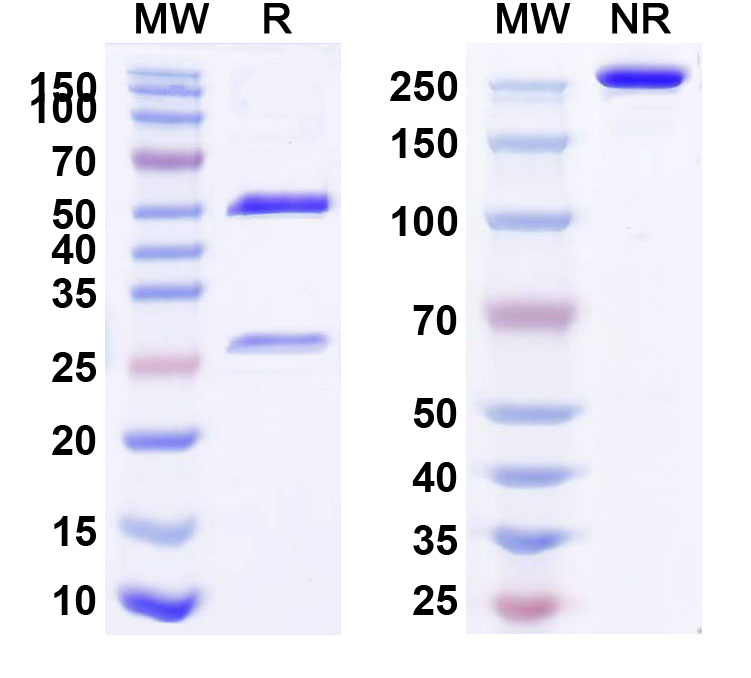
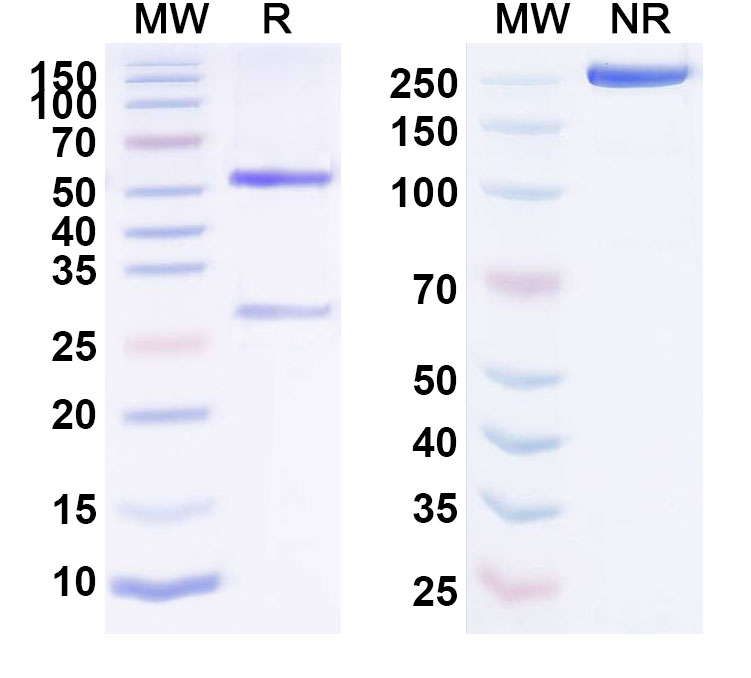
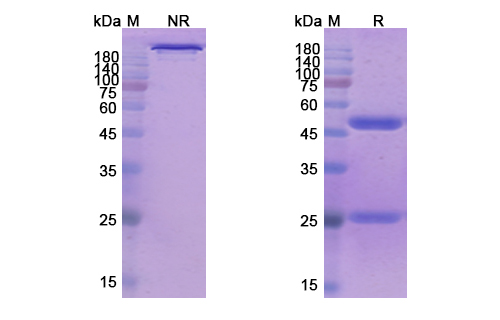
Maslimomab Biosimilar is a monoclonal antibody (mAb) that specifically targets the T cell receptor (TCR) complex. It is composed of two heavy chains and two light chains, which are linked together by disulfide bonds. The heavy chains are further divided into constant and variable regions, with the variable region responsible for binding to the TCR complex. The light chains also have constant and variable regions, with the variable region contributing to the specificity of the antibody.
The structure of Maslimomab Biosimilar is very similar to that of Alemtuzumab, with minor differences in the amino acid sequence. This allows for a high degree of similarity in terms of binding and activity, making Maslimomab Biosimilar an effective alternative to Alemtuzumab.
Activity of Maslimomab Biosimilar
The main mechanism of action of Maslimomab Biosimilar is through its binding to the TCR complex on the surface of T cells. This binding prevents the activation and proliferation of T cells, which play a crucial role in the development and progression of various autoimmune diseases and cancers. By targeting the TCR complex, Maslimomab Biosimilar effectively inhibits the immune response, leading to a reduction in inflammation and tissue damage.
In addition to its inhibitory effects on T cells, Maslimomab Biosimilar has also been shown to induce antibody-dependent cell-mediated cytotoxicity (ADCC). This means that the antibody can recruit immune cells, such as natural killer cells, to target and destroy cells that express the TCR complex. This dual mechanism of action makes Maslimomab Biosimilar a potent therapeutic agent for a wide range of diseases.
Potential Applications of Maslimomab Biosimilar
Due to its ability to target the TCR complex, Maslimomab Biosimilar has potential applications in the treatment of various autoimmune diseases, such as multiple sclerosis, rheumatoid arthritis, and psoriasis. It has also shown promising results in clinical trials for the treatment of certain types of cancers, including chronic lymphocytic leukemia and cutaneous T-cell lymphoma.
Furthermore, Maslimomab Biosimilar has been studied for its potential use in the prevention of organ transplant rejection. By inhibiting T cell activation, it can prevent the immune system from attacking the transplanted organ, leading to improved outcomes for transplant patients.
Conclusion
Maslimomab Biosimilar, the biosimilar of Alemtuzumab, is a highly promising antibody with a similar structure and activity to its reference product. Its ability to target the TCR complex and inhibit T cell activation makes it a potential treatment option for a variety of diseases, including autoimmune diseases and cancers. As more research and clinical trials are conducted, Maslimomab Biosimilar has the potential to revolutionize the field of immunotherapy and improve the lives of countless patients.

There are no reviews yet.