Introduction
Maftivimab Biosimilar, also known as Anti-Zaire Ebola virus mAb, is a monoclonal antibody (mAb) that has been developed as a biosimilar to the original Maftivimab antibody. It is a research grade antibody that specifically targets the Zaire strain of the Ebola virus. In this article, we will discuss the structure, activity, and potential applications of Maftivimab Biosimilar.
Structure of Maftivimab Biosimilar
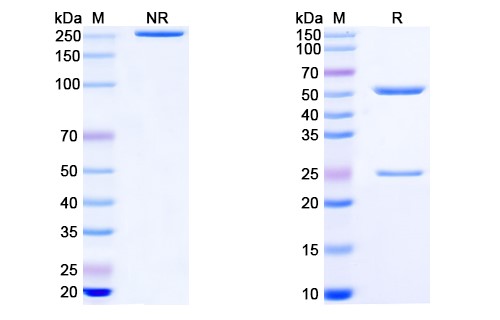
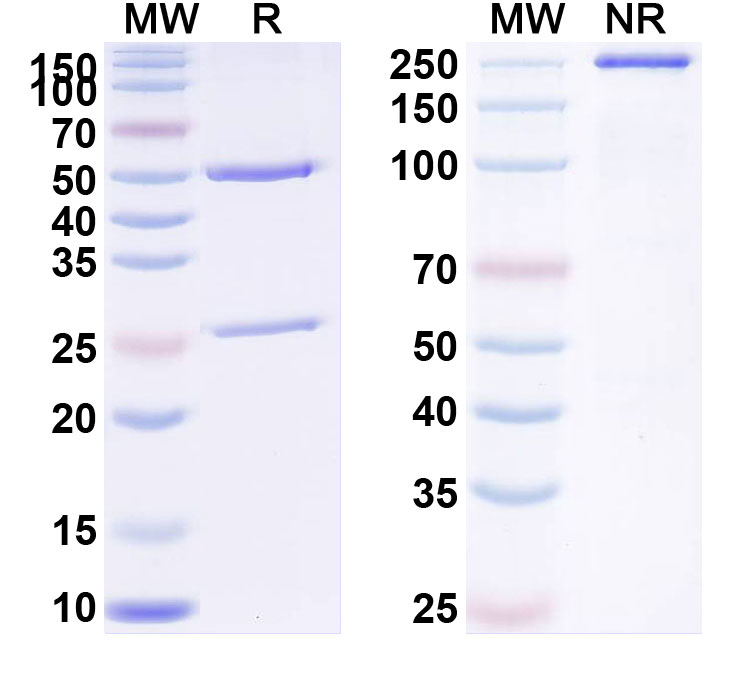
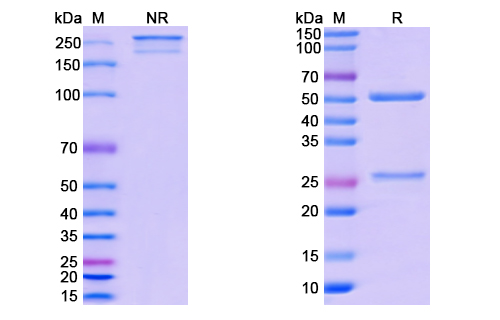
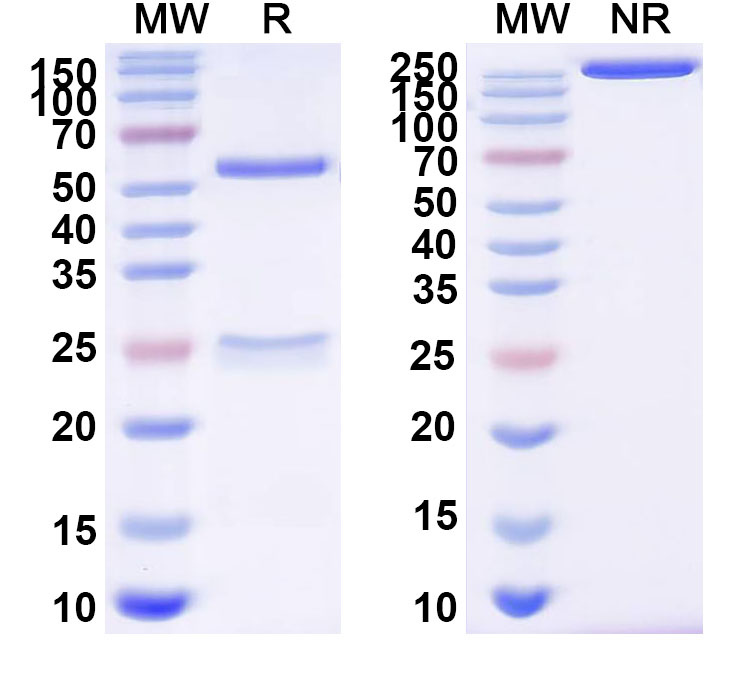
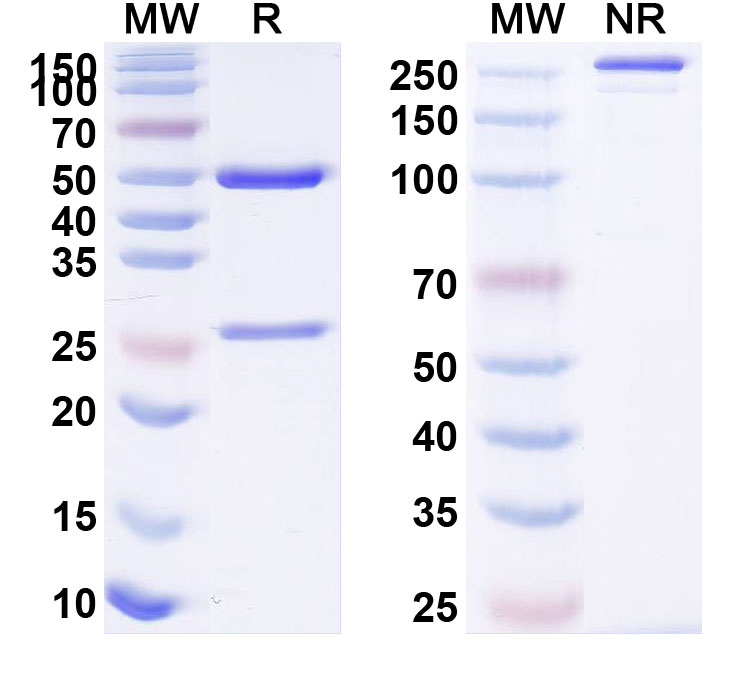
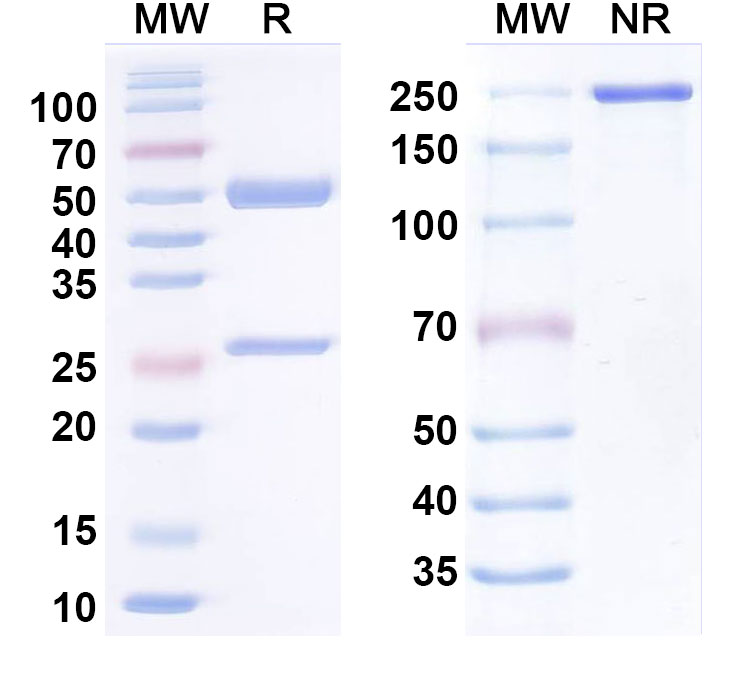
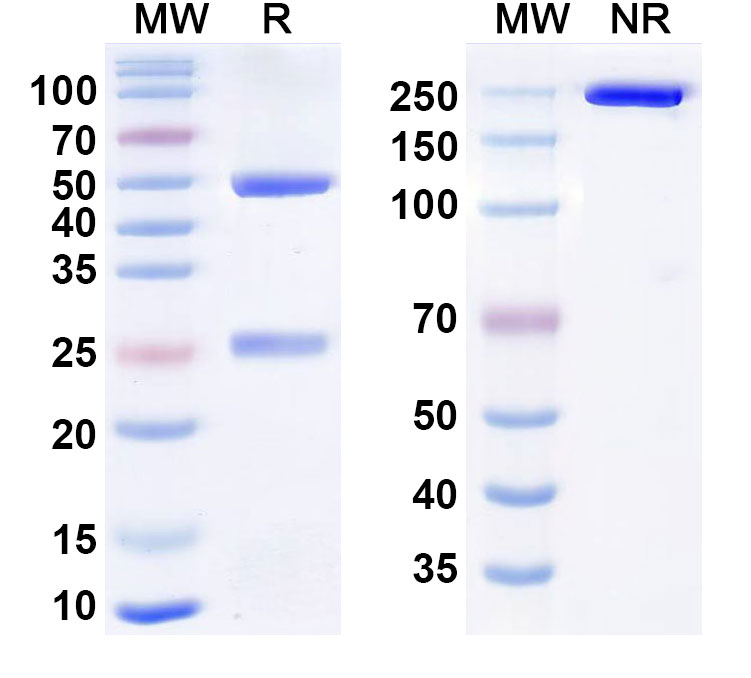
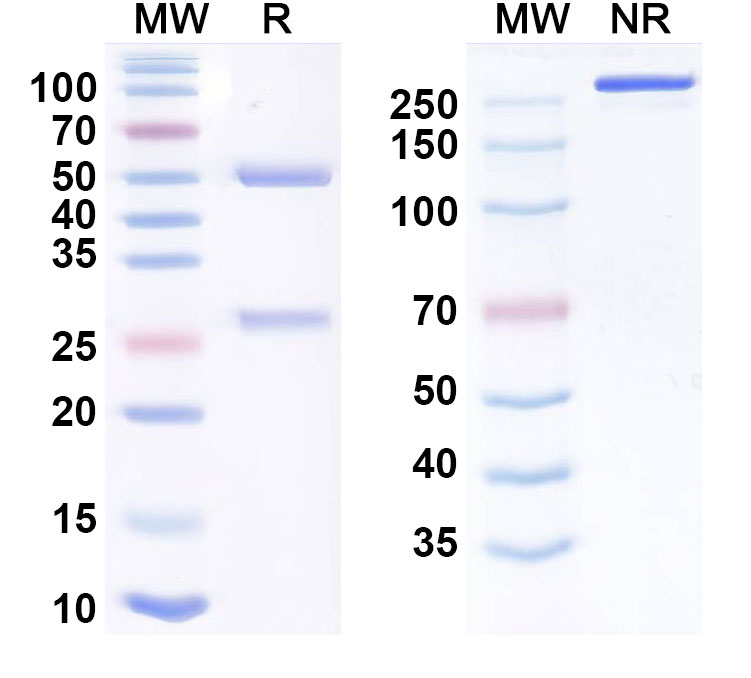
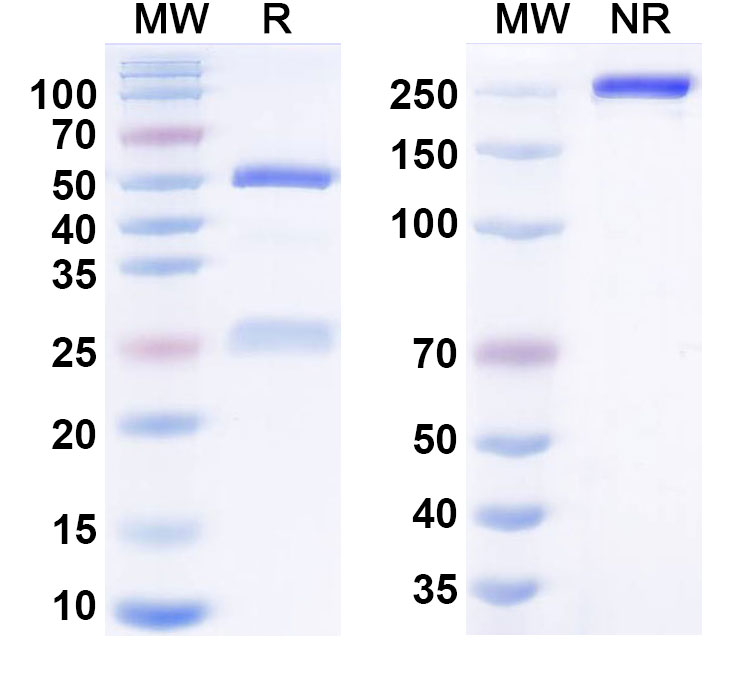
Maftivimab Biosimilar is a recombinant human IgG1 monoclonal antibody that has been produced in Chinese hamster ovary (CHO) cells. It has a molecular weight of approximately 150 kDa and consists of two heavy chains and two light chains. The heavy chains are composed of four constant domains (CH1, CH2, CH3, and CH4) and one variable domain (VH), while the light chains consist of two constant domains (CL) and one variable domain (VL).
The variable domains of Maftivimab Biosimilar are responsible for binding to the Zaire strain of the Ebola virus. They have been engineered to have a high affinity for the Ebola virus glycoprotein, which is the primary target for neutralizing antibodies. The constant domains, on the other hand, are responsible for effector functions such as antibody-dependent cellular cytotoxicity (ADCC) and complement-dependent cytotoxicity (CDC).
Activity of Maftivimab Biosimilar
Maftivimab Biosimilar has been shown to have potent antiviral activity against the Zaire strain of the Ebola virus. In vitro studies have demonstrated that it can neutralize the virus by binding to the glycoprotein and preventing it from entering host cells. This mechanism of action is similar to that of the original Maftivimab antibody.
In addition to neutralizing the virus, Maftivimab Biosimilar also has effector functions that can help in the clearance of infected cells. It can bind to infected cells and attract immune cells, such as natural killer (NK) cells and macrophages, to destroy them through ADCC and CDC. This dual mechanism of action makes Maftivimab Biosimilar a potent therapeutic agent against the Zaire strain of the Ebola virus.
Potential Applications of Maftivimab Biosimilar
Maftivimab Biosimilar has the potential to be used as a treatment for Ebola virus infection. It can be used in combination with other antiviral drugs to improve efficacy and reduce the risk of drug resistance. It can also be used as a prophylactic treatment for individuals at high risk of Ebola virus exposure, such as healthcare workers and laboratory personnel.
In addition to its therapeutic potential, Maftivimab Biosimilar can also be used in research studies to understand the pathogenesis of the Ebola virus and to develop new treatment strategies. Its high specificity for the Zaire strain of the virus makes it a valuable tool for studying the virus and its interactions with host cells.
Conclusion
Maftivimab Biosimilar is a research grade antibody that specifically targets the Zaire strain of the Ebola virus. It has a unique structure consisting of two heavy chains and two light chains, with variable domains that have been engineered to have a high affinity for the Ebola virus glycoprotein. It has potent antiviral activity and effector functions that make it a promising therapeutic agent against Ebola virus infection. Its potential applications include treatment and prophylaxis of Ebola virus infection, as well as research studies to understand the virus and develop new treatment strategies.
There are no reviews yet.