Introduction to Lorigerlimab Biosimilar – Anti-CTLA4 & PD1 mAb – Research Grade Lorigerlimab Biosimilar, also known as Anti-CTLA4 & PD1 mAb, is a promising therapeutic antibody that has shown potential in the treatment of various diseases. This biosimilar is a monoclonal antibody (mAb) that targets two important immune checkpoints, CTLA4 and PD1, and has the potential to revolutionize the field of immunotherapy. In this article, we will delve into the structure, activity, and potential applications of Lorigerlimab Biosimilar.
Structure of Lorigerlimab Biosimilar
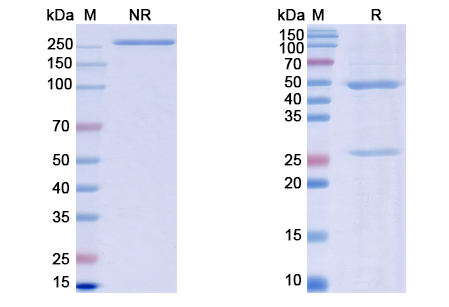
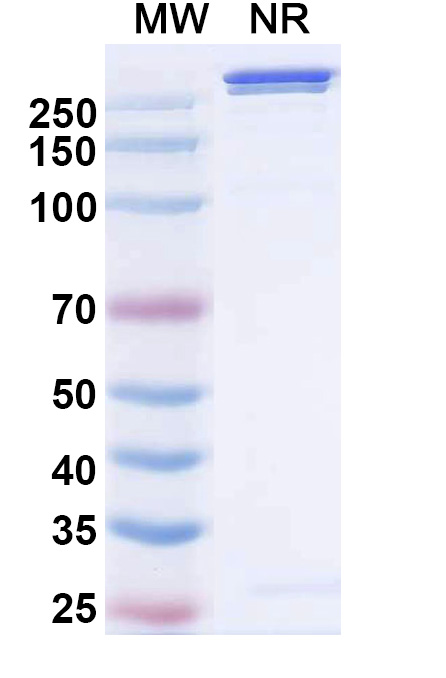
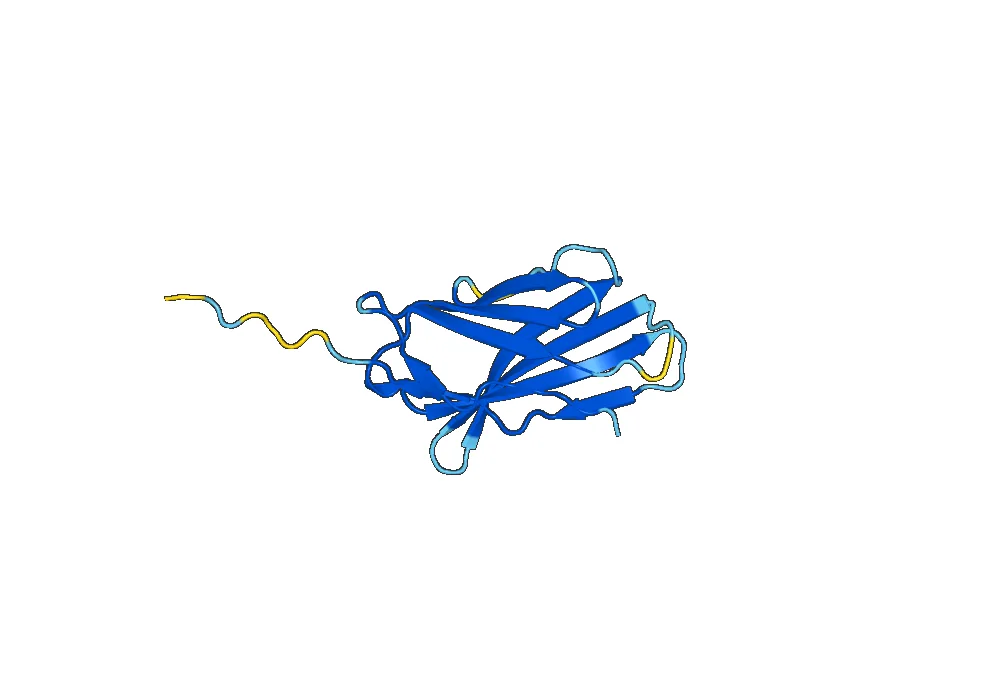
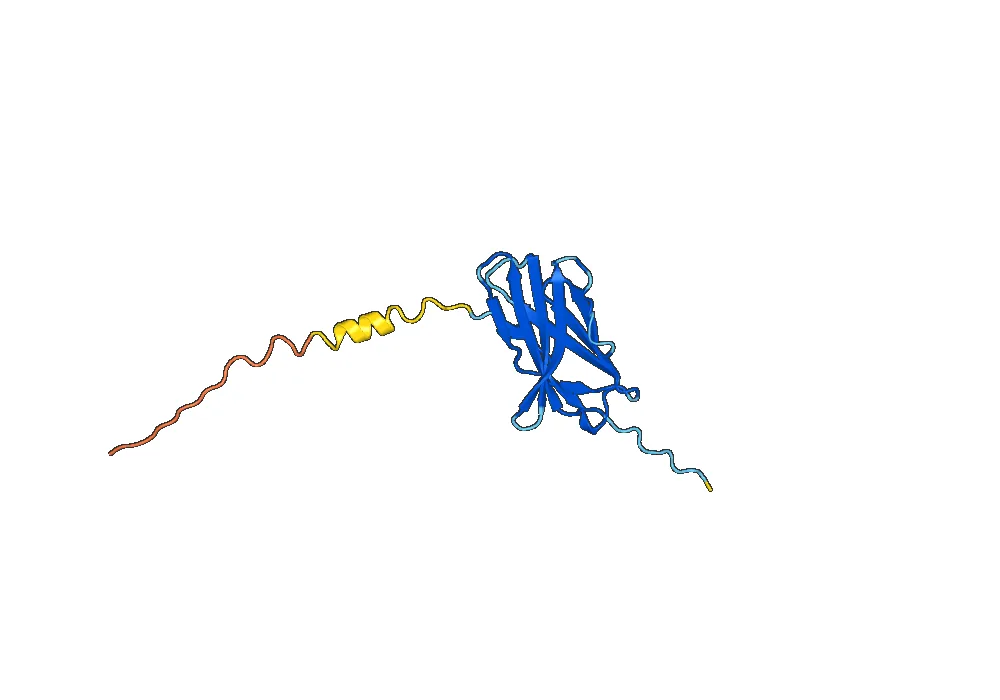
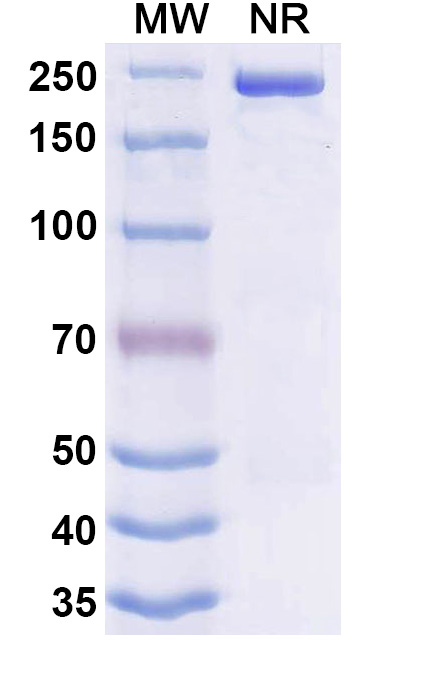
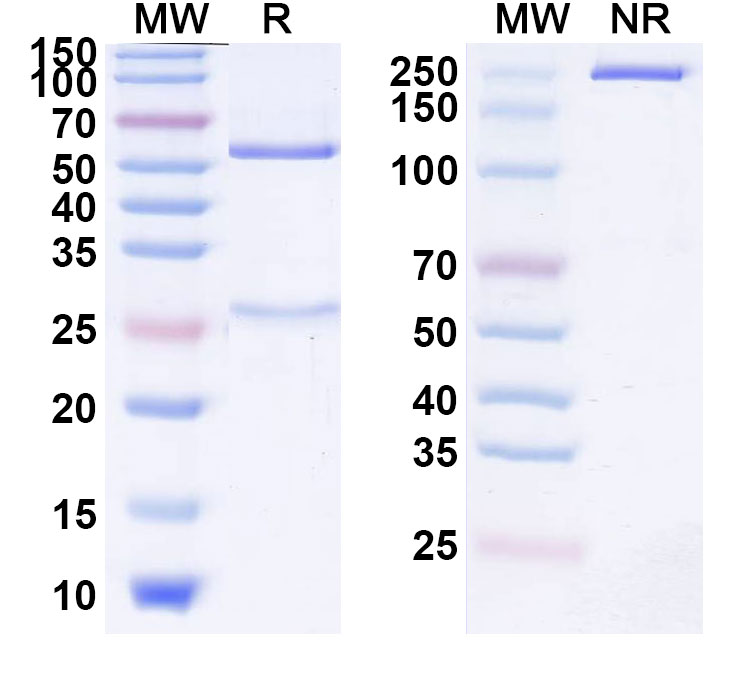
Lorigerlimab Biosimilar is a recombinant humanized IgG4 monoclonal antibody with a molecular weight of approximately 150 kDa. It is composed of two heavy chains and two light chains, each with a variable region that binds to the target antigens CTLA4 and PD1. The constant region of the antibody is responsible for its effector functions, such as antibody-dependent cell-mediated cytotoxicity (ADCC) and complement-dependent cytotoxicity (CDC).
Activity of Lorigerlimab Biosimilar
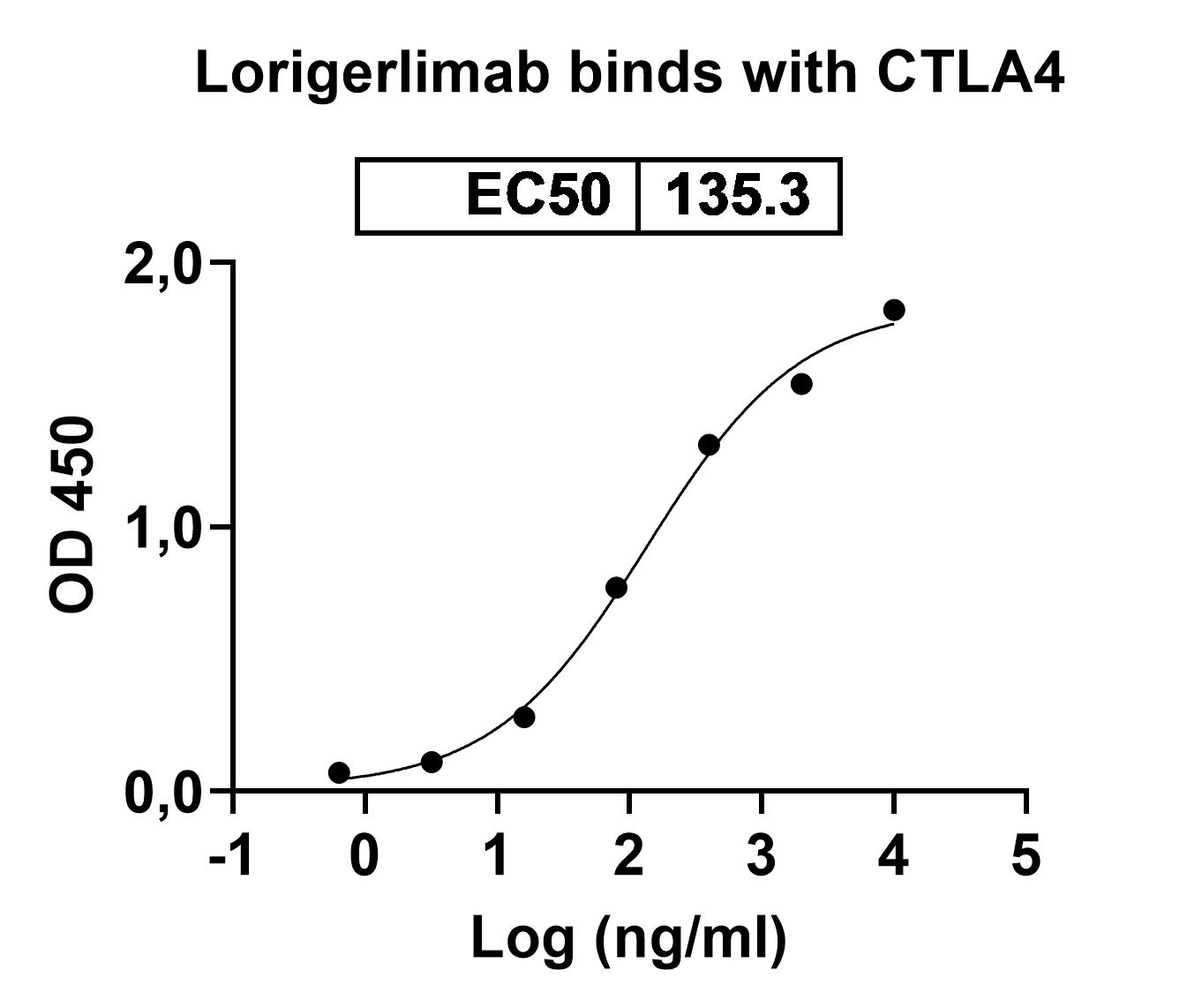
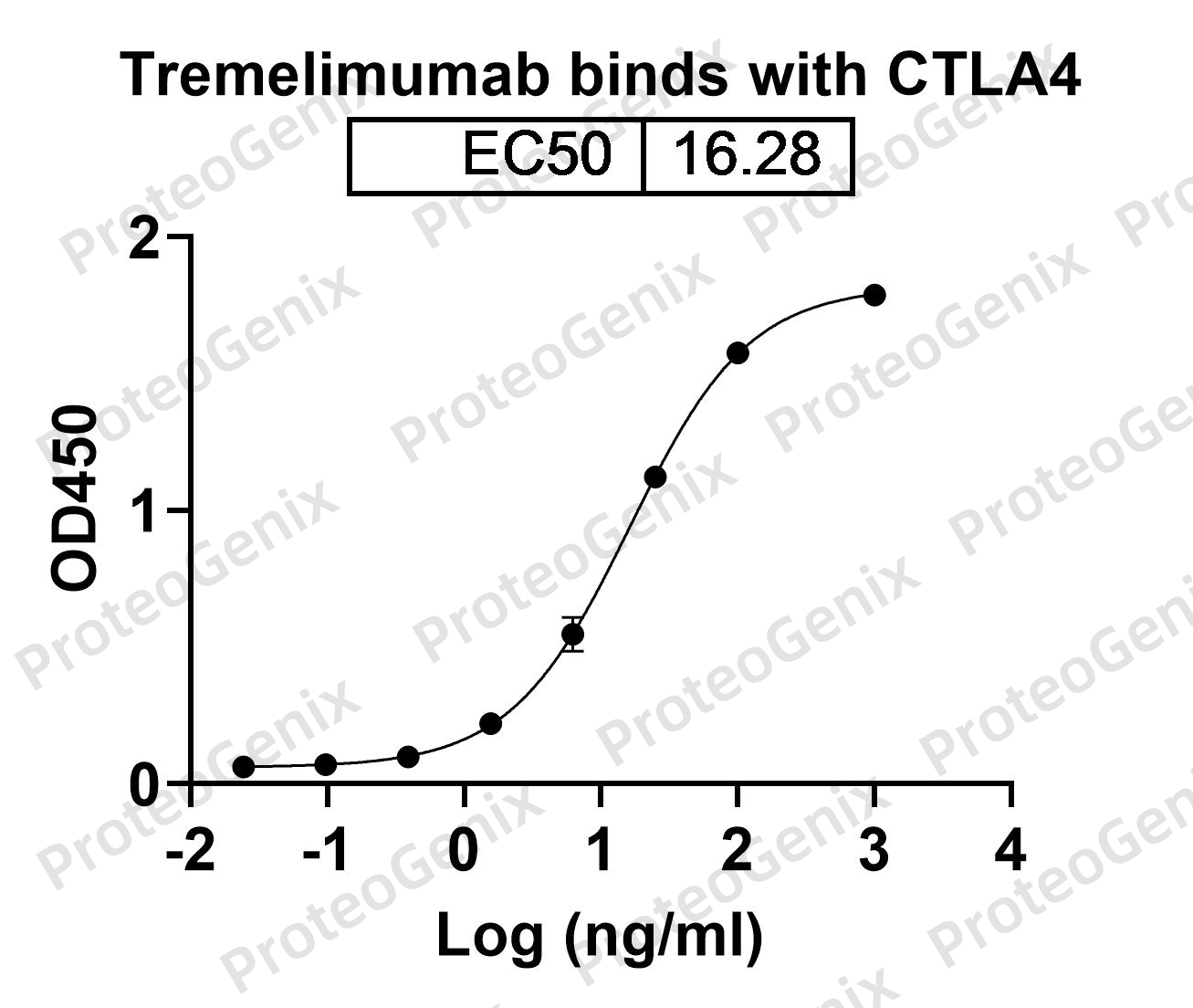
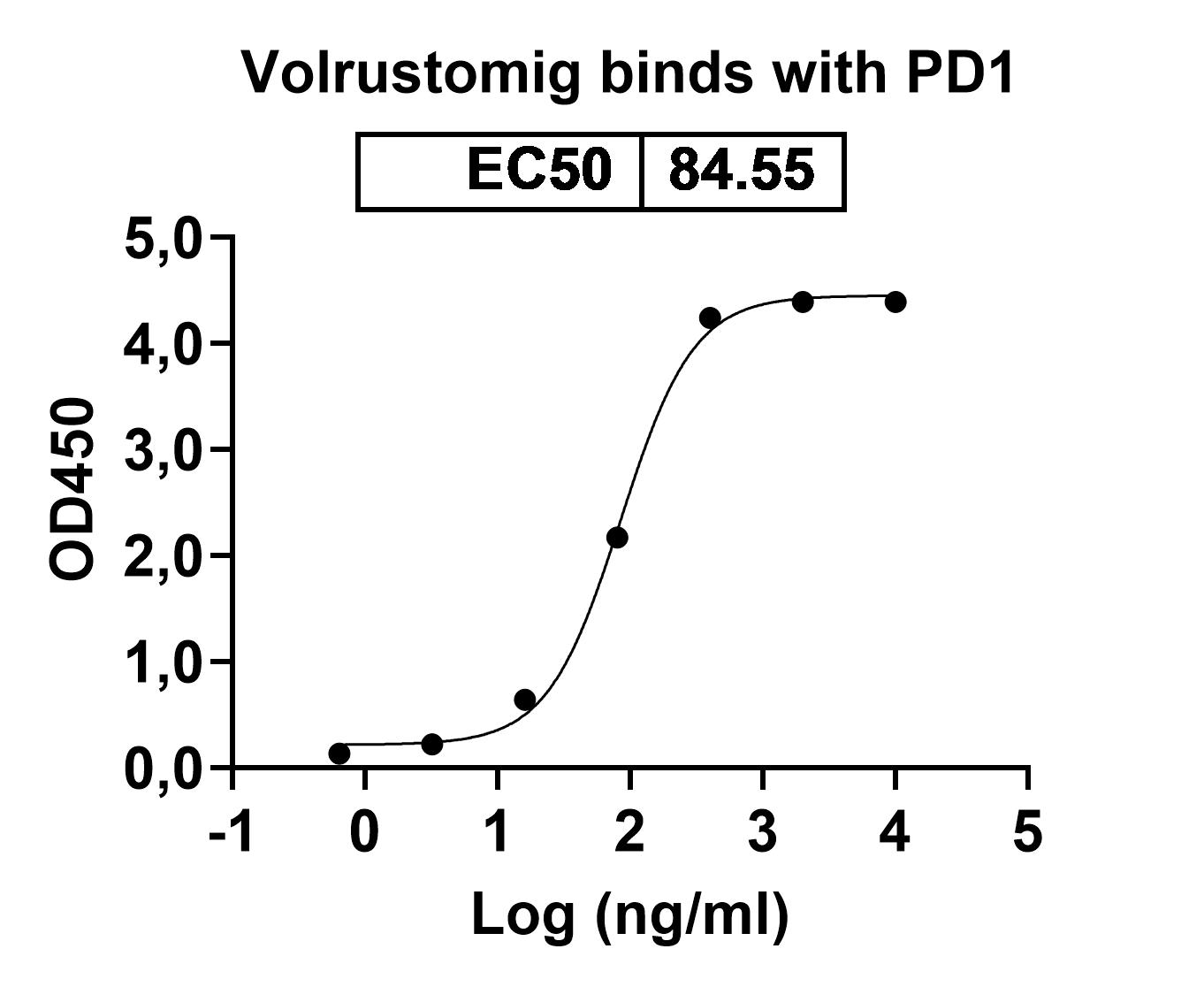
Lorigerlimab Biosimilar works by blocking the interaction of CTLA4 and PD1 with their respective ligands, CD80/86 and PD-L1. These interactions are crucial for regulating the activity of T cells, which play a central role in the immune response. By blocking these checkpoints, Lorigerlimab Biosimilar allows for the activation and proliferation of T cells, leading to a more robust and effective immune response against cancer and other diseases.
In addition to its primary activity of checkpoint inhibition, Lorigerlimab Biosimilar also has other potential mechanisms of action. It has been shown to induce antibody-dependent cellular phagocytosis (ADCP), which involves the destruction of target cells by immune cells such as macrophages. This mechanism can further enhance the efficacy of Lorigerlimab Biosimilar in cancer treatment.
Applications of Lorigerlimab Biosimilar
Lorigerlimab Biosimilar has shown promising results in preclinical studies and is currently being evaluated in clinical trials for the treatment of various cancers, including melanoma, non-small cell lung cancer, and renal cell carcinoma. It is also being investigated for its potential in treating autoimmune diseases such as rheumatoid arthritis and psoriasis.
One of the key advantages of Lorigerlimab Biosimilar is its potential to be used in combination with other therapies. Combination therapy has become a popular approach in cancer treatment, as it can enhance the efficacy of individual treatments and overcome resistance. Lorigerlimab Biosimilar has shown potential in combination with other checkpoint inhibitors, chemotherapy, and targeted therapies.
In addition to its therapeutic potential, Lorigerlimab Biosimilar also has research applications. Its ability to selectively target CTLA4 and PD1 makes it a valuable tool for studying the role of these checkpoints in various diseases. It can also be used in diagnostic assays to detect the expression of CTLA4 and PD1 in patient samples.
Conclusion
In summary, Lorigerlimab Biosimilar – Anti-CTLA4 & PD1 mAb – Research Grade is a promising therapeutic antibody with a unique mechanism of action. Its ability to block CTLA4 and PD1 checkpoints has the potential to enhance the immune response against cancer and other diseases. With ongoing clinical trials and research, Lorigerlimab Biosimilar has the potential to become a valuable addition to the arsenal of immunotherapies.

There are no reviews yet.