Introduction to Lexatumumab Biosimilar – A Promising Anti-TNFRSF10B Antibody
Lexatumumab Biosimilar, also known as CD262 mAb, is a novel therapeutic antibody that targets the TNFRSF10B protein. This biosimilar is a promising addition to the field of cancer treatment, with potential applications in various types of cancers. In this article, we will explore the structure, activity, and potential applications of Lexatumumab Biosimilar in detail.
Structure of Lexatumumab Biosimilar
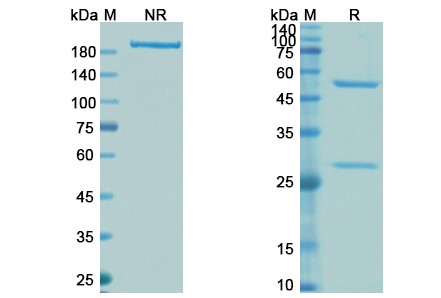
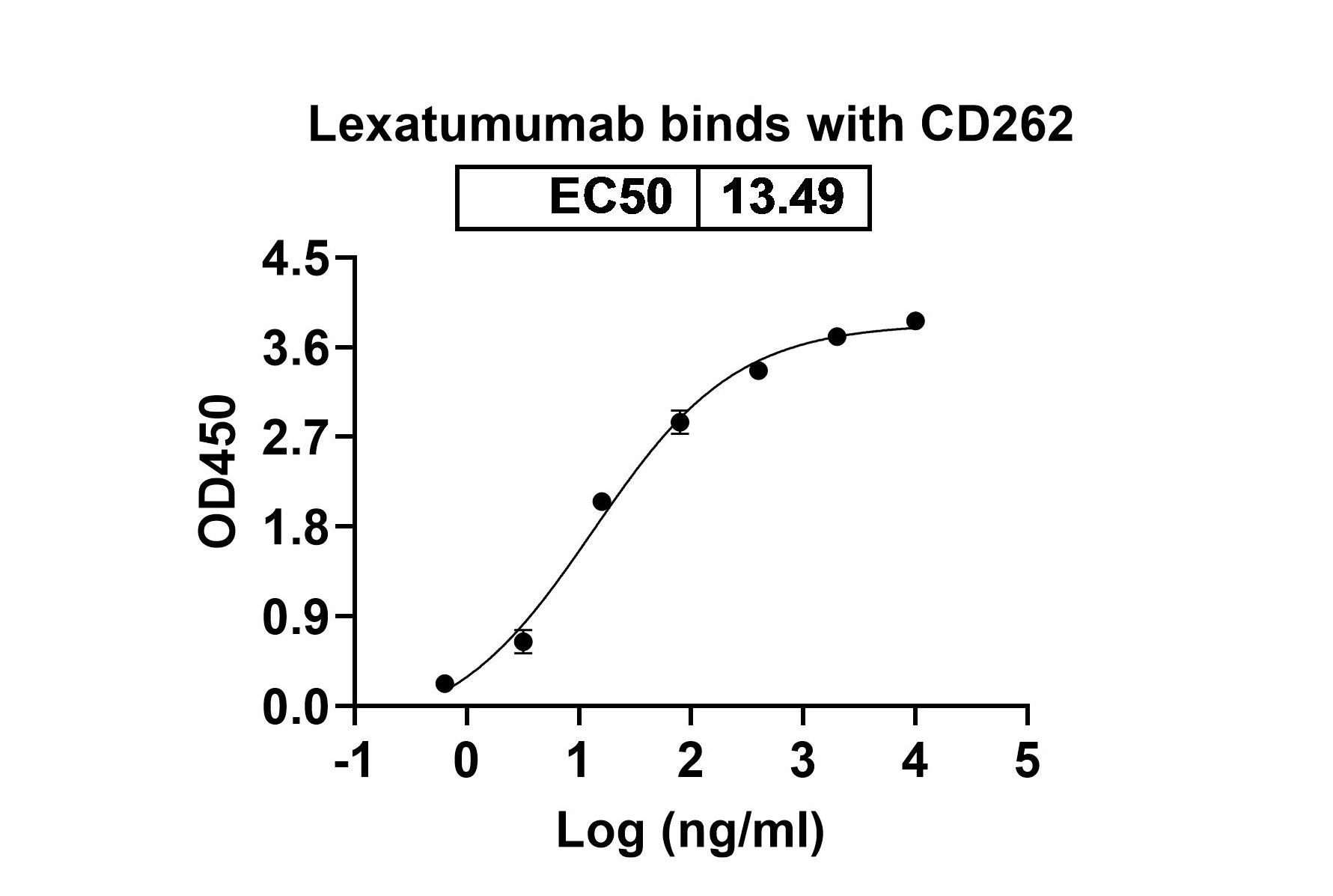
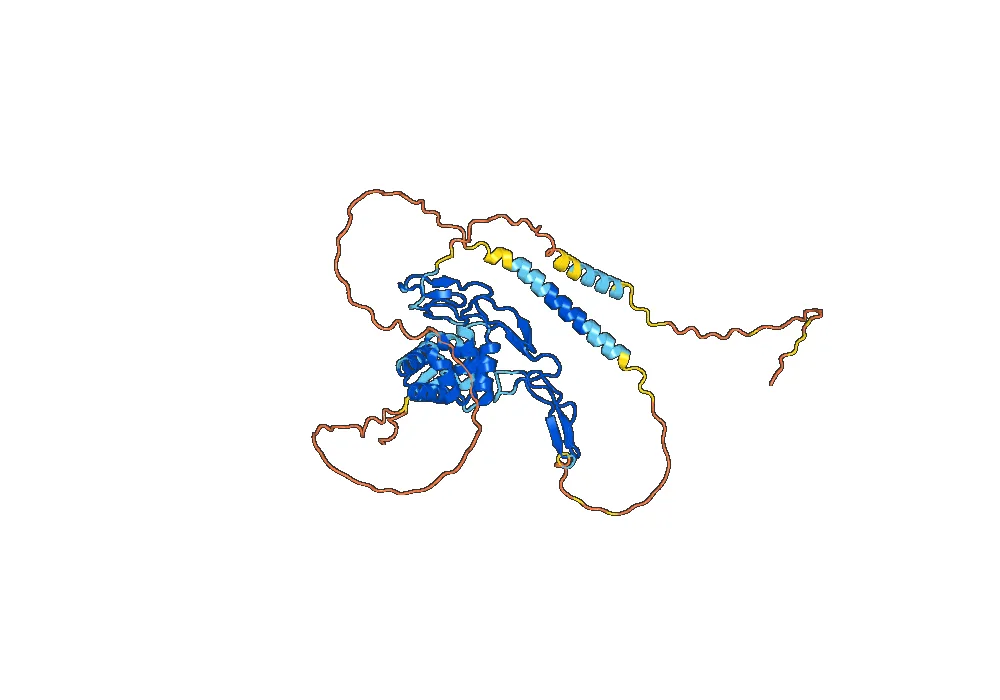
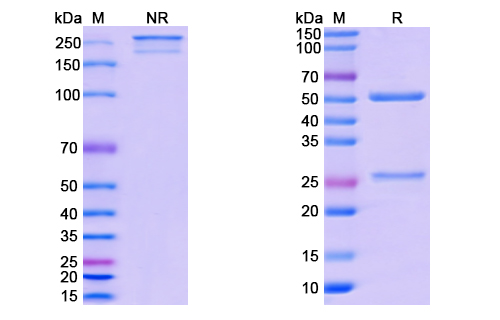
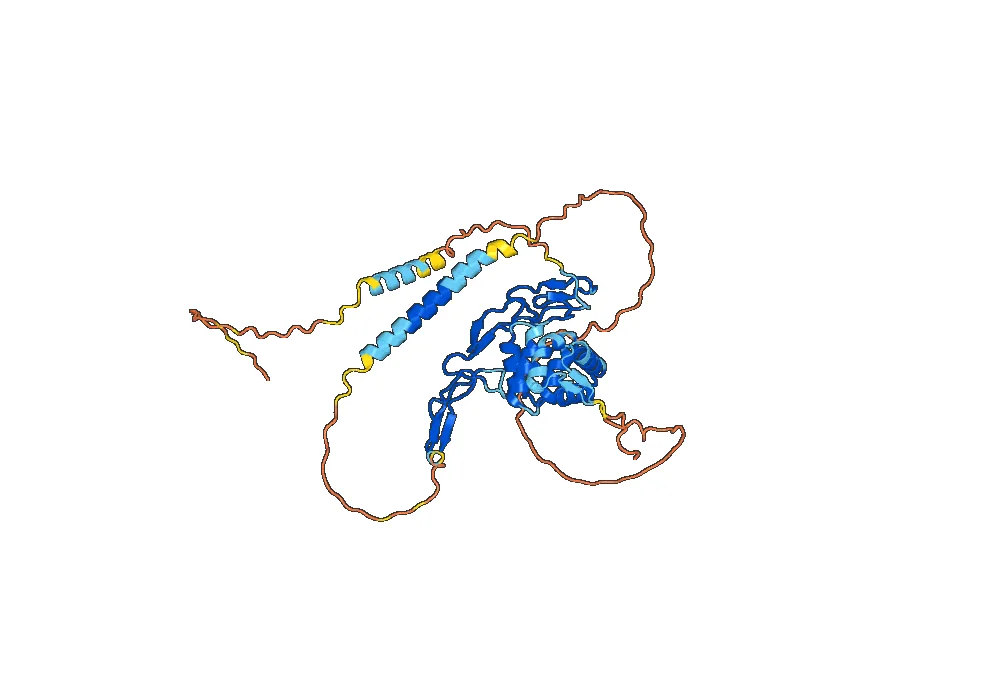
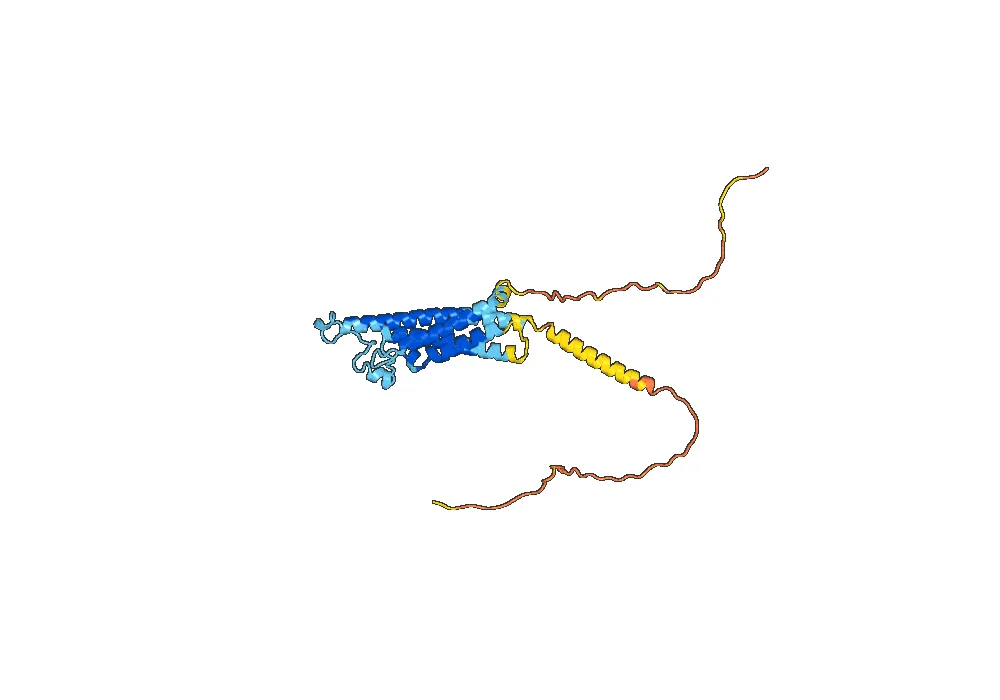
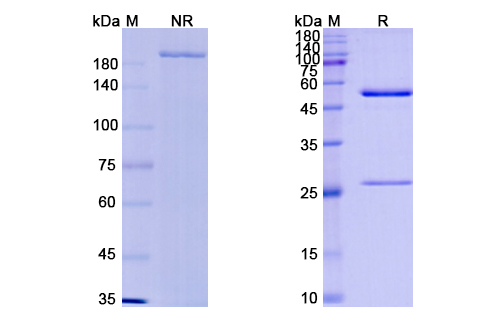
Lexatumumab Biosimilar is a monoclonal antibody that binds to the TNFRSF10B protein, also known as the death receptor 5 (DR5). It is a fully humanized antibody, meaning that it is derived from human cells and has a high affinity and specificity for its target. The antibody is composed of two heavy chains and two light chains, with a molecular weight of approximately 150 kDa.
Activity of Lexatumumab Biosimilar
The primary function of Lexatumumab Biosimilar is to bind to the TNFRSF10B protein and activate the apoptotic pathway in cancer cells. TNFRSF10B is a member of the tumor necrosis factor (TNF) receptor superfamily, which is involved in regulating cell death and survival. When Lexatumumab Biosimilar binds to TNFRSF10B, it triggers a signaling cascade that leads to the activation of caspases, enzymes responsible for inducing programmed cell death (apoptosis).
In addition to its apoptotic activity, Lexatumumab Biosimilar also has the ability to induce antibody-dependent cell-mediated cytotoxicity (ADCC). This means that it can stimulate the immune system to attack cancer cells, further enhancing its anti-tumor effects.
Applications of Lexatumumab Biosimilar
Lexatumumab Biosimilar has shown promising results in preclinical studies and is currently being evaluated in clinical trials for the treatment of various types of cancers, including solid tumors and hematological malignancies. Some of the potential applications of this biosimilar include:
1. Treatment of Solid Tumors: TNFRSF10B is overexpressed in many solid tumors, including lung, breast, and colon cancers. By targeting this protein, Lexatumumab Biosimilar has the potential to induce apoptosis in cancer cells and inhibit tumor growth.
2. Combination Therapy: Lexatumumab Biosimilar can be used in combination with other anti- cancer therapies, such as chemotherapy and radiotherapy, to enhance their efficacy. It has been shown to sensitize cancer cells to these treatments, making them more susceptible to cell death.
3. Hematological Malignancies: In addition to solid tumors, Lexatumumab Biosimilar has also shown promising results in the treatment of hematological malignancies, such as leukemia and lymphoma. It has the potential to induce apoptosis in cancer cells while sparing healthy cells, making it a promising therapy for these types of cancers.
4. Research Grade Applications: Apart from its potential therapeutic use, Lexatumumab Biosimilar is also widely used in research settings. It is commonly used as a tool to study the role of TNFRSF10B in cancer development and as a potential target for new anti- cancer therapies.
Conclusion
In conclusion, Lexatumumab Biosimilar is a promising anti-TNFRSF10B antibody with potential applications in the treatment of various types of cancers. Its unique mechanism of action, combined with its high specificity and affinity for its target, make it a valuable addition to the field of cancer therapy. As research and clinical trials continue, we can expect to see more promising results from this biosimilar in the future.

There are no reviews yet.