Introduction
Lacutamab Biosimilar, also known as Anti-KIR3DL2 mAb, is a promising therapeutic antibody that has gained significant attention in recent years due to its potential in treating various types of cancer. This novel biosimilar is a monoclonal antibody that specifically targets the KIR3DL2 protein, making it a valuable tool in the fight against cancer.
Structure of Lacutamab Biosimilar
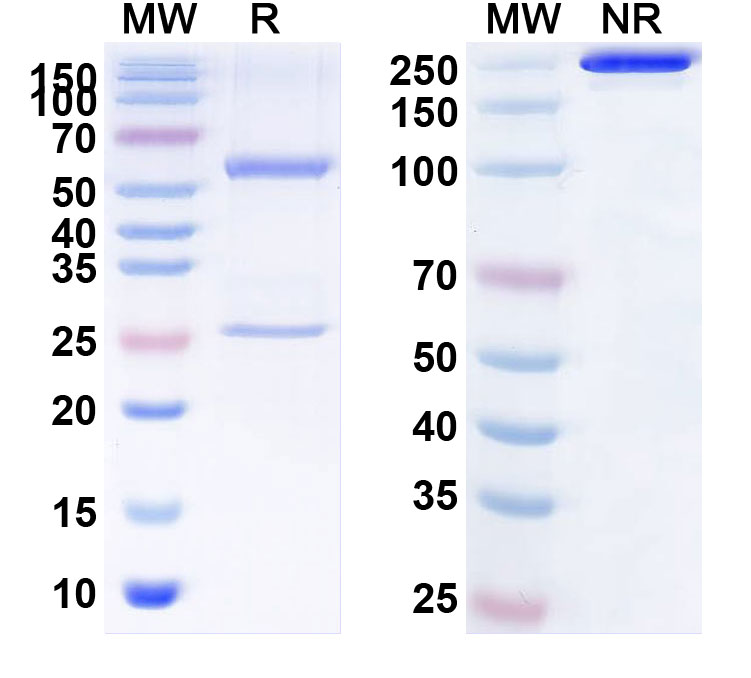
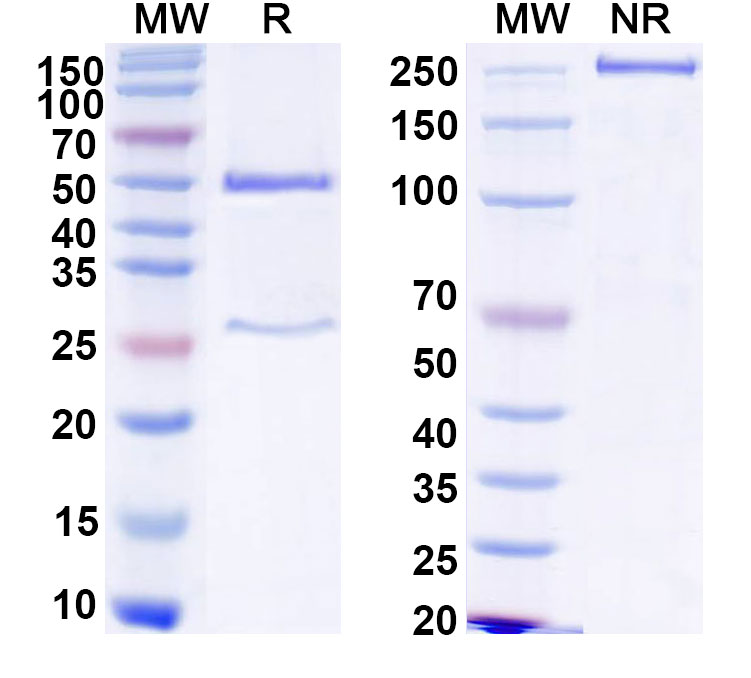
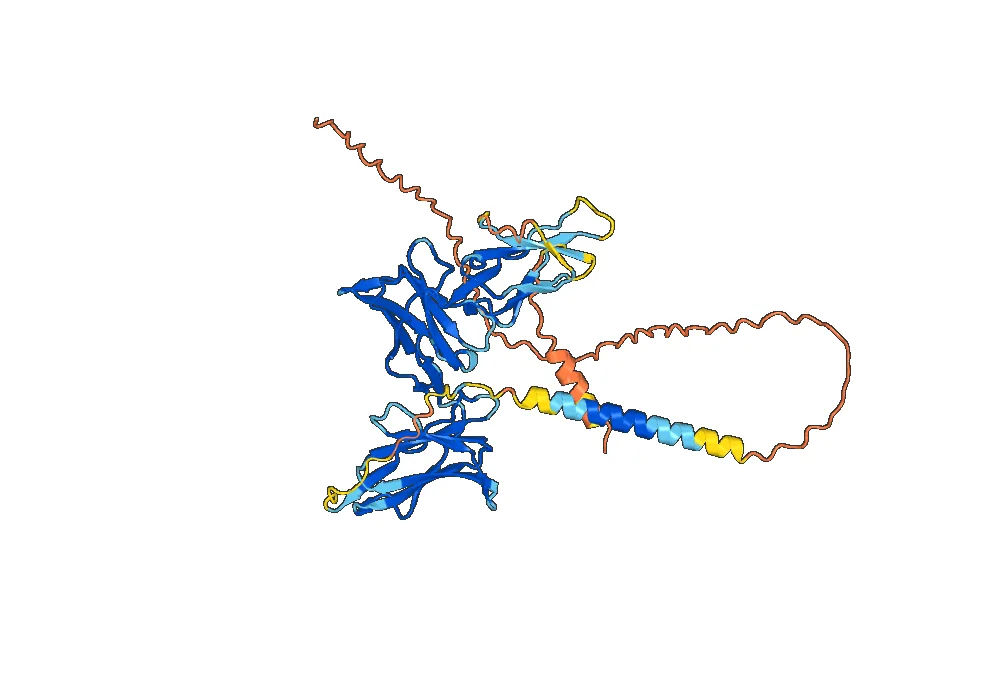
Lacutamab Biosimilar is a humanized monoclonal antibody, meaning it is derived from human cells and has been designed to have a high affinity for its target. It is composed of two heavy chains and two light chains, which are connected by disulfide bonds. The antibody has a molecular weight of approximately 150 kDa and belongs to the IgG1 subclass.
The variable region of Lacutamab Biosimilar is responsible for its specificity towards KIR3DL2. This region contains six complementarity-determining regions (CDRs) that interact with the target protein. The constant region of the antibody is responsible for its effector functions, such as antibody-dependent cellular cytotoxicity (ADCC) and complement-dependent cytotoxicity (CDC).
Activity of Lacutamab Biosimilar
Lacutamab Biosimilar exerts its activity by binding to the KIR3DL2 protein, which is expressed on the surface of certain cancer cells. This binding leads to the activation of immune cells, such as natural killer (NK) cells and macrophages, which then target and destroy the cancer cells. Additionally, the antibody can also directly induce apoptosis (cell death) in cancer cells.
Apart from its direct anti-
cancer activity, Lacutamab Biosimilar also has immunomodulatory effects. It can enhance the function of immune cells and promote the production of cytokines, which are important signaling molecules involved in immune responses. This makes it a valuable tool in combination therapy with other cancer treatments.
Applications of Lacutamab Biosimilar
Lacutamab Biosimilar has shown promising results in preclinical and clinical studies for the treatment of various types of cancer, including cutaneous T-cell lymphoma (CTCL), peripheral T-cell lymphoma (PTCL), and mycosis fungoides (MF). These types of cancer are characterized by the overexpression of KIR3DL2, making them suitable targets for Lacutamab Biosimilar.
In a phase 1 clinical trial, Lacutamab Biosimilar demonstrated a favorable safety profile and showed promising anti-tumor activity in patients with relapsed or refractory CTCL. It has also shown efficacy in combination with other treatments, such as chemotherapy and immunomodulatory agents, in patients with PTCL and MF.
In addition to its potential in cancer treatment, Lacutamab Biosimilar is also being investigated for its role in preventing graft-versus-host disease (GVHD) in stem cell transplant patients. KIR3DL2 is involved in the development of GVHD, and by targeting this protein, Lacutamab Biosimilar may help reduce the risk of this life-threatening complication.
Conclusion
In summary, Lacutamab Biosimilar is a promising therapeutic antibody that specifically targets the KIR3DL2 protein. Its unique structure and mechanism of action make it a valuable tool in the fight against cancer, particularly in CTCL, PTCL, and MF. Further research and clinical trials are needed to fully understand the potential of this biosimilar in cancer treatment and other applications.
There are no reviews yet.