Introduction
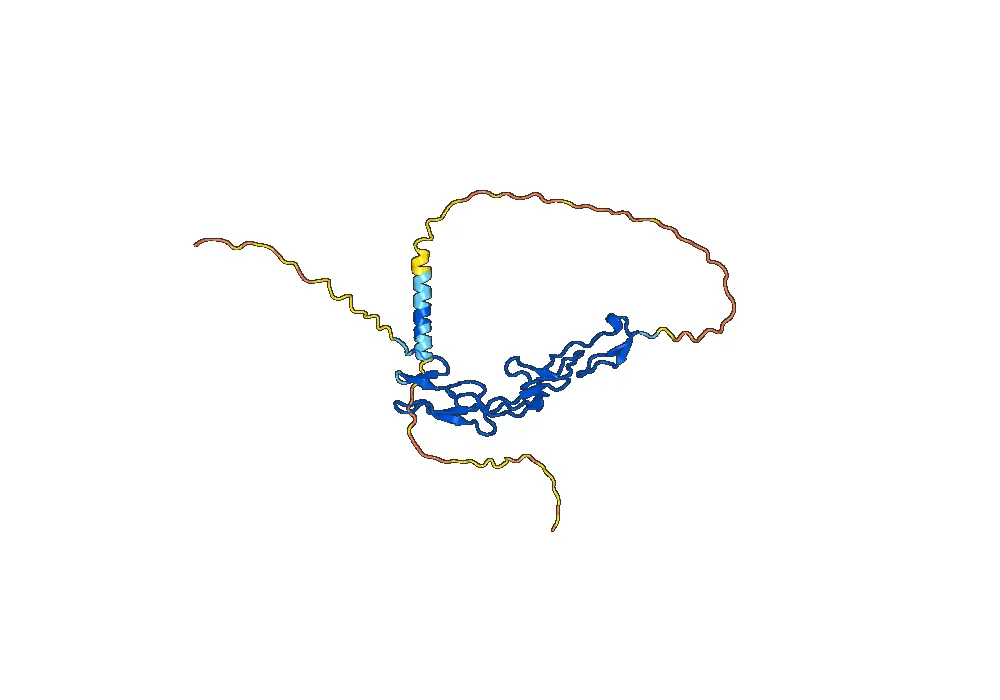
Ivuxolimab Biosimilar, also known as Anti-TNFRSF4 or CD134 monoclonal antibody (mAb), is a promising therapeutic agent currently under development for the treatment of various inflammatory and autoimmune diseases. This biosimilar is designed to target the TNFRSF4/CD134 receptor, which plays a crucial role in regulating immune responses. In this article, we will provide a comprehensive overview of the structure, activity, and potential applications of Ivuxolimab Biosimilar as a research-grade antibody.
Structure of Ivuxolimab Biosimilar
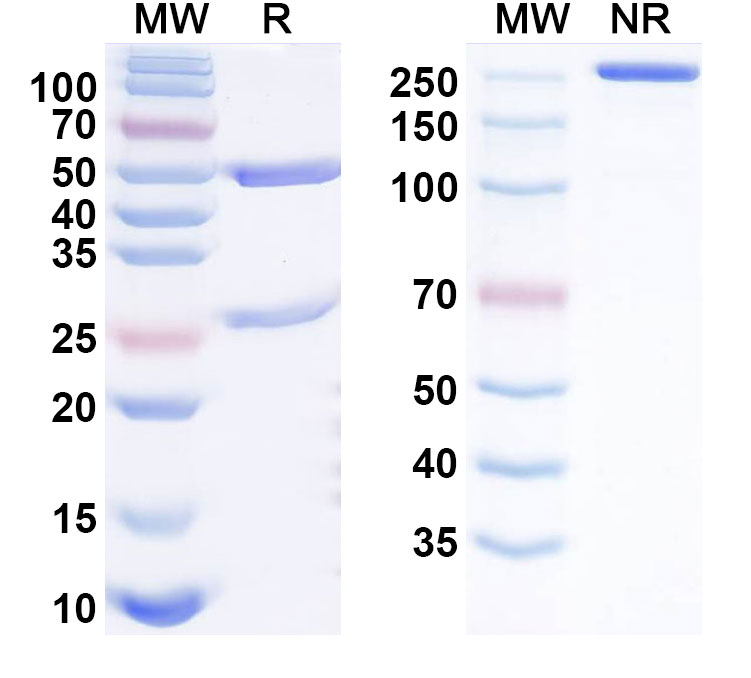
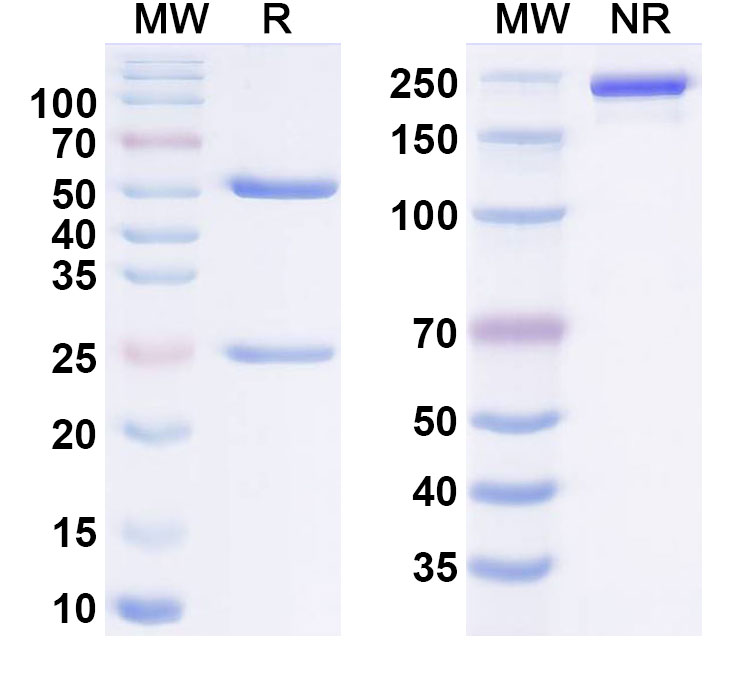
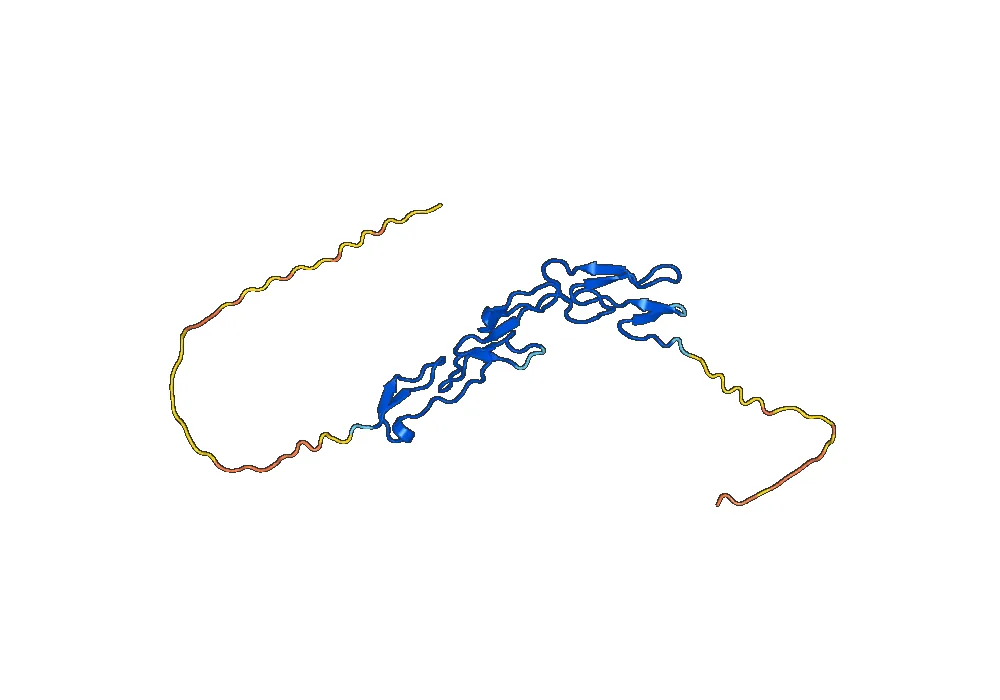
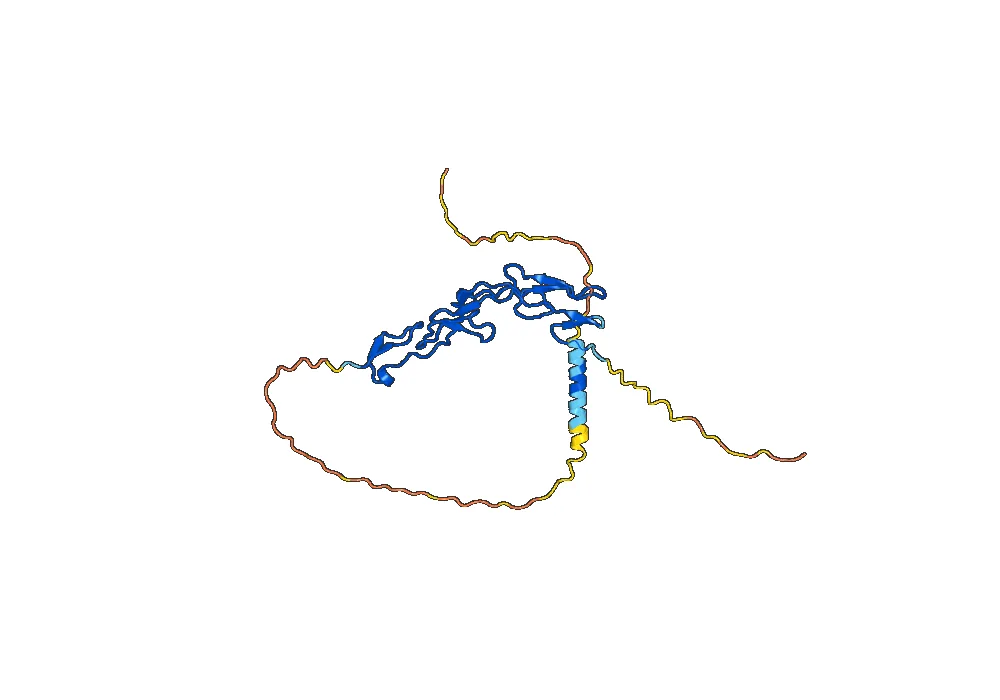
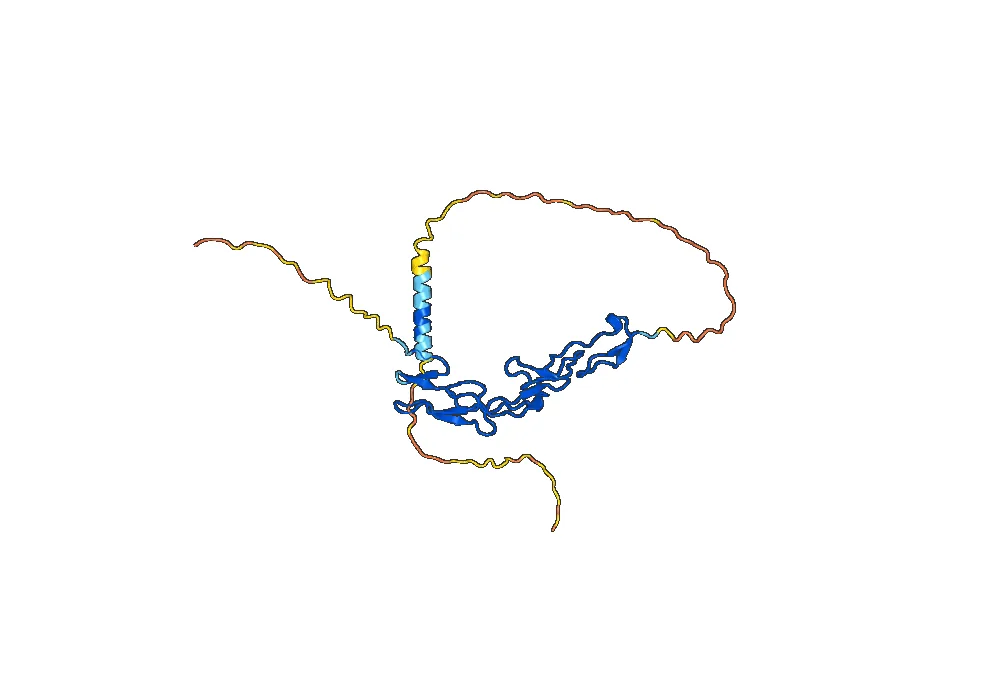
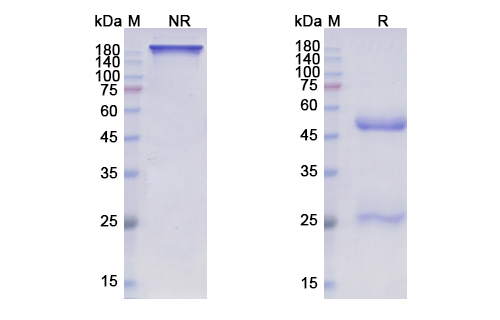
Ivuxolimab Biosimilar is a recombinant humanized monoclonal antibody, meaning it is derived from human genes and has been engineered to have a reduced immunogenicity compared to its parent molecule. The antibody consists of two identical heavy chains and two identical light chains, each containing variable and constant regions. The variable regions of the antibody are responsible for binding to the target receptor, TNFRSF4/CD134, while the constant regions determine the effector functions of the antibody.
Activity of Ivuxolimab Biosimilar
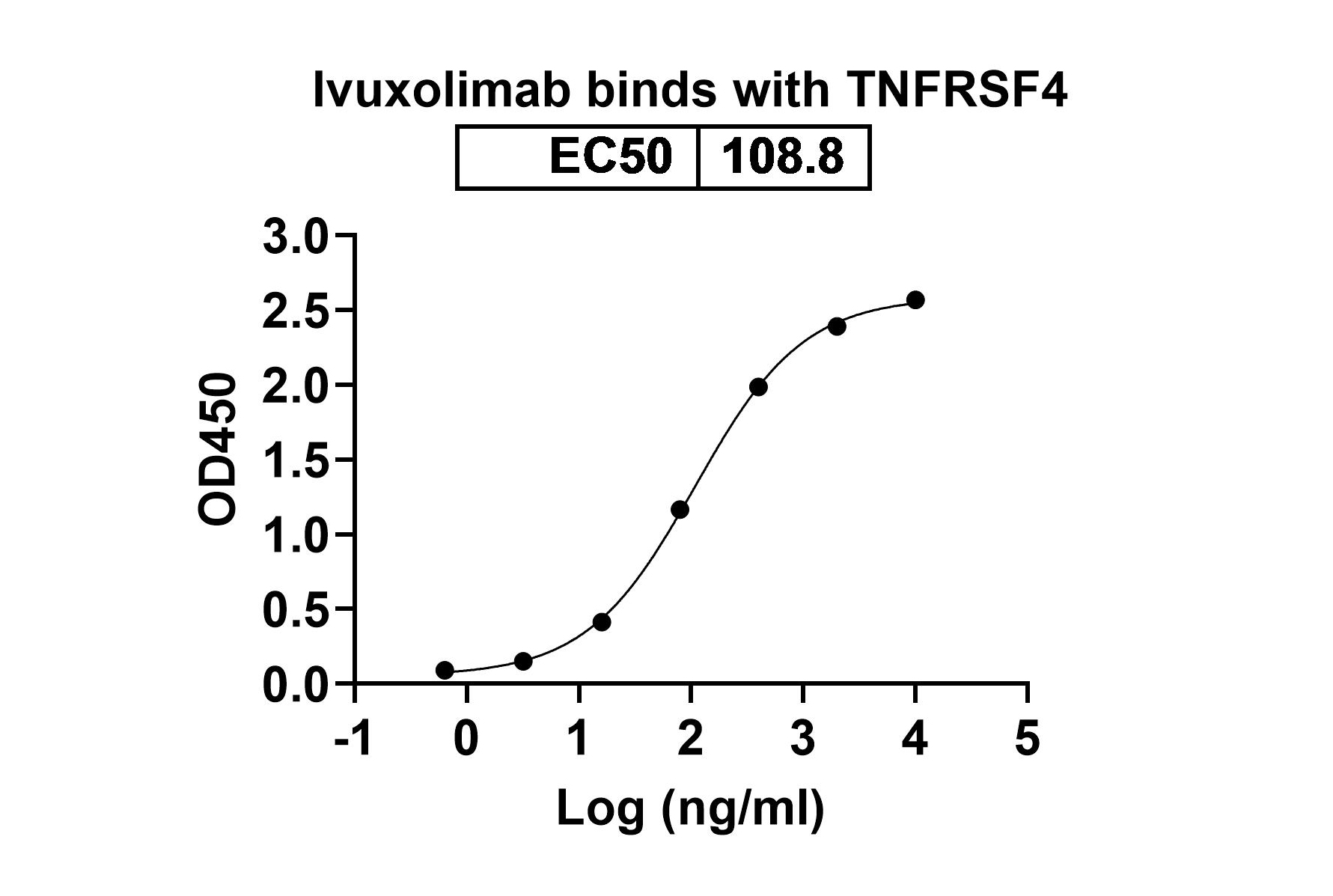
The primary function of Ivuxolimab Biosimilar is to block the interaction between TNFRSF4/CD134 and its ligand, OX40L. This interaction is crucial for the activation and proliferation of T cells, which play a key role in inflammatory and autoimmune diseases. By inhibiting this interaction, Ivuxolimab Biosimilar can modulate the immune response and reduce inflammation. Additionally, the antibody can also induce antibody-dependent cell-mediated cytotoxicity (ADCC) and complement-dependent cytotoxicity (CDC), leading to the elimination of cells expressing TNFRSF4/CD134.
Applications of Ivuxolimab Biosimilar
As a research-grade antibody, Ivuxolimab Biosimilar has shown promising results in pre-clinical studies for a variety of diseases, including rheumatoid arthritis, multiple sclerosis, and psoriasis. In a mouse model of rheumatoid arthritis, treatment with Ivuxolimab Biosimilar significantly reduced joint inflammation and cartilage destruction. Similarly, in a mouse model of multiple sclerosis, the antibody reduced the severity of disease and improved motor function. These results suggest that Ivuxolimab Biosimilar has the potential to be an effective treatment for autoimmune and inflammatory diseases.
Ivuxolimab Biosimilar has also shown promise in combination therapy with other immunomodulatory agents. In a study on psoriasis patients, combination therapy with Ivuxolimab Biosimilar and a TNF inhibitor resulted in a more significant reduction in disease activity compared to treatment with the TNF inhibitor alone. This suggests that Ivuxolimab Biosimilar may have a synergistic effect when used in combination with other therapies.
Future Directions
Currently, Ivuxolimab Biosimilar is in the early stages of clinical development, with ongoing phase 1 and 2 trials in various inflammatory and autoimmune diseases. These studies will provide further insight into the safety, efficacy, and optimal dosing of the antibody. If successful, Ivuxolimab Biosimilar has the potential to become a valuable treatment option for patients with these debilitating conditions.
Conclusion
In summary, Ivuxolimab Biosimilar is a promising research-grade antibody targeting the TNFRSF4/CD134 receptor. Its unique mechanism of action and potential for combination therapy make it a promising candidate for the treatment of inflammatory and autoimmune diseases. Ongoing clinical trials will provide more information on the safety and efficacy of this antibody, and if successful, it may become a valuable addition to the current treatment options for these diseases.

There are no reviews yet.