Introduction
Ipafricept Biosimilar is a novel anti-Wnt fusion protein that has been developed as a potential therapeutic agent for various diseases. This biosimilar is a recombinant protein that mimics the structure and function of the endogenous protein Ipafricept, which plays a crucial role in the Wnt signaling pathway. In this article, we will discuss the structure, activity, and potential applications of Ipafricept Biosimilar in detail.
Structure of Ipafricept Biosimilar
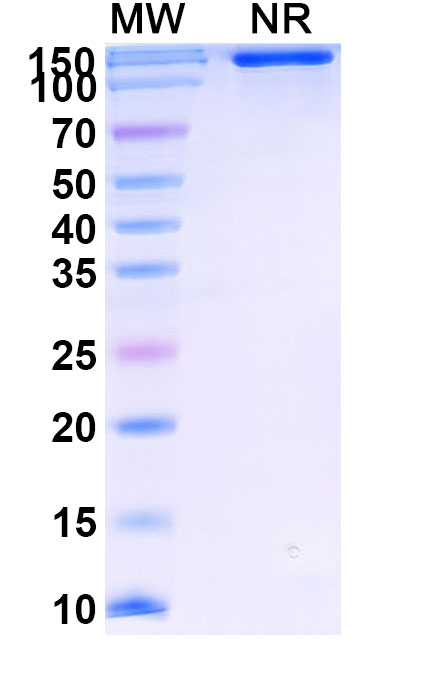
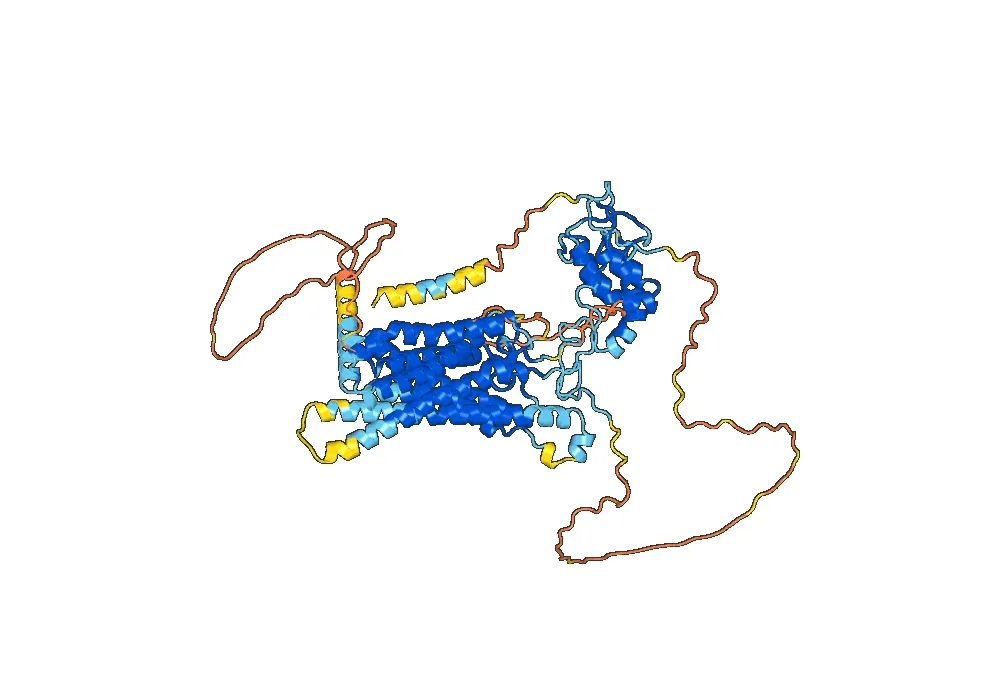
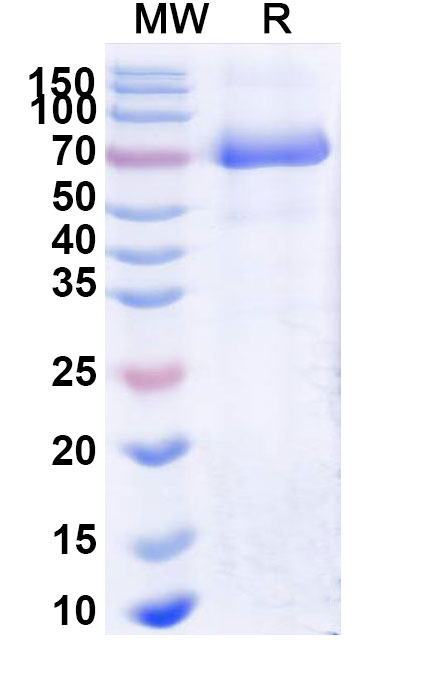
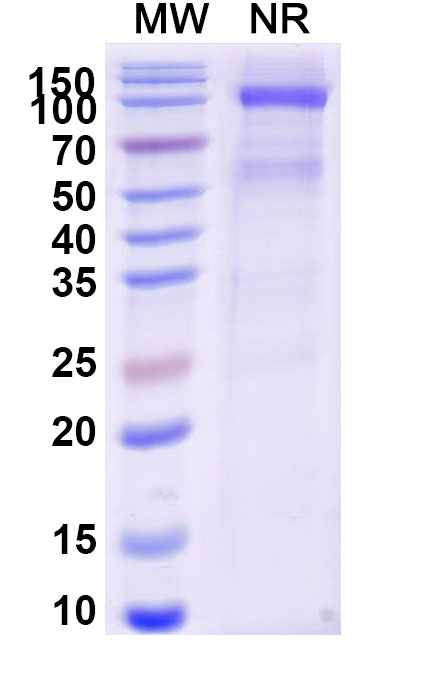
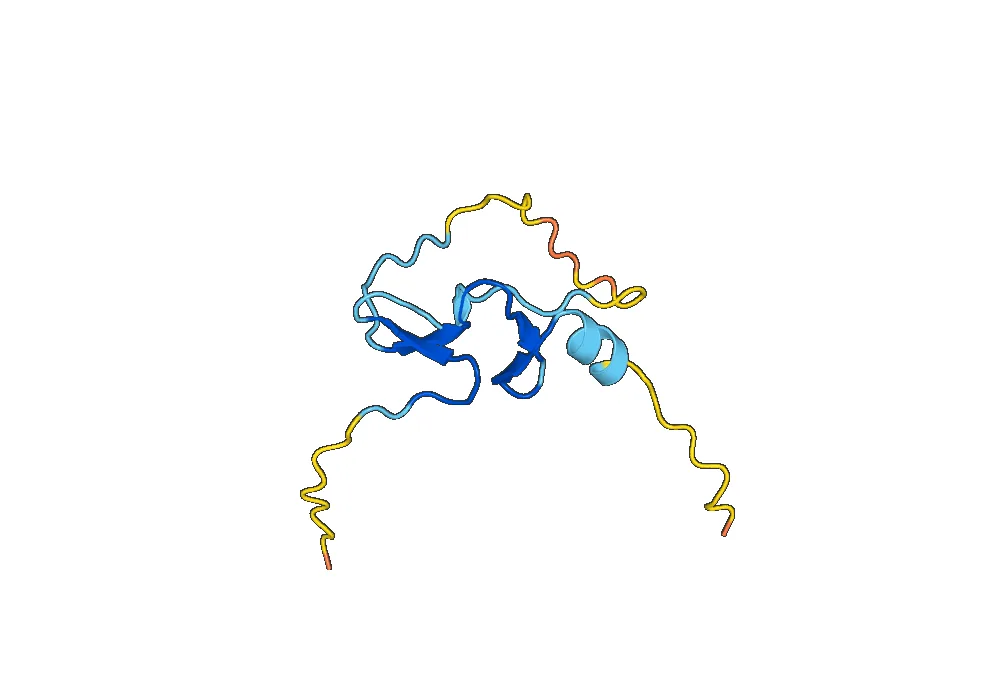
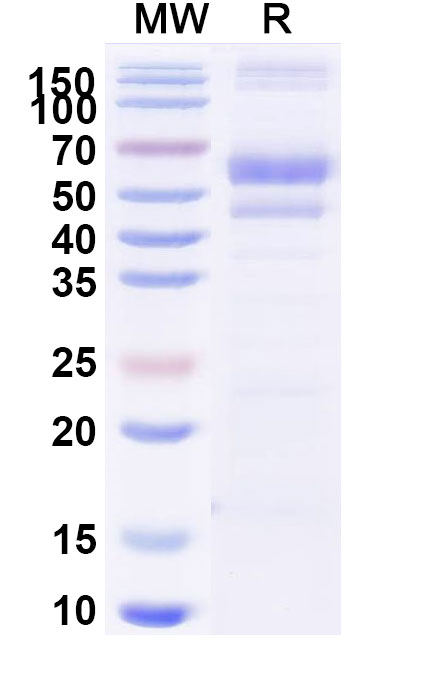
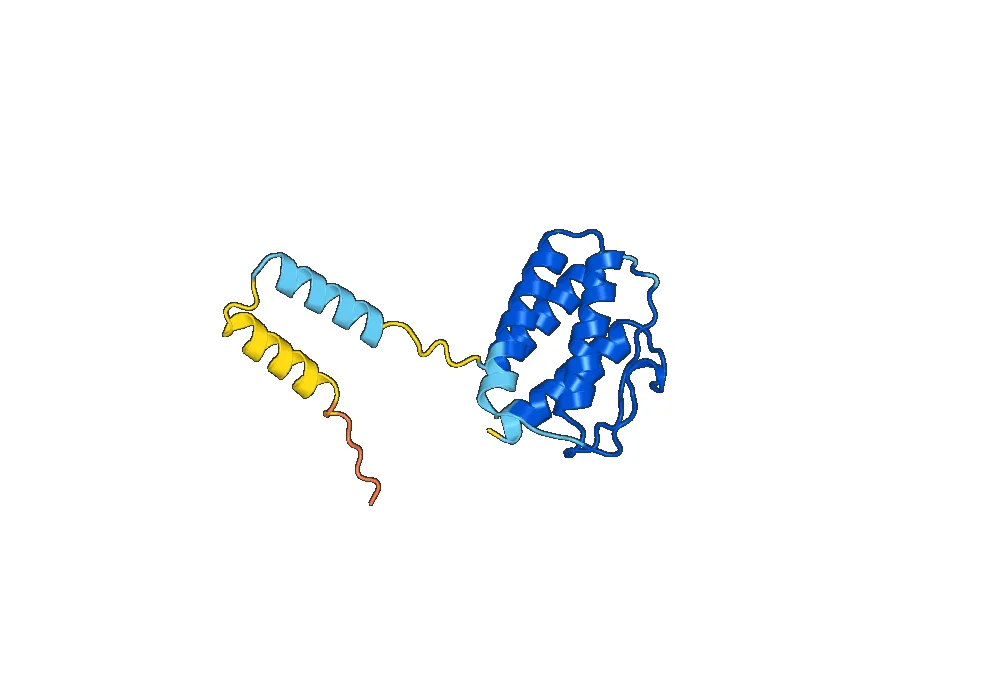
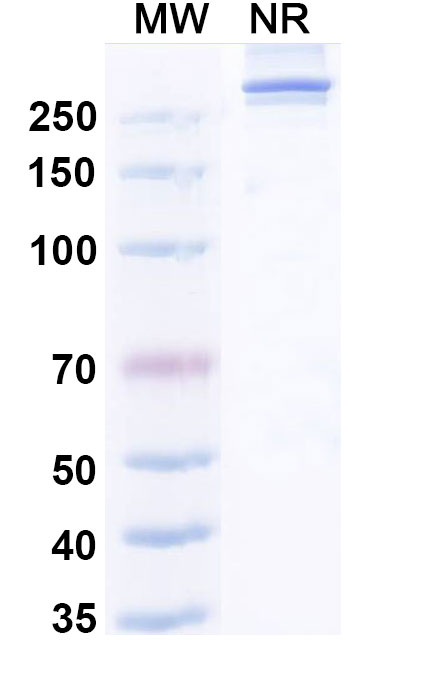
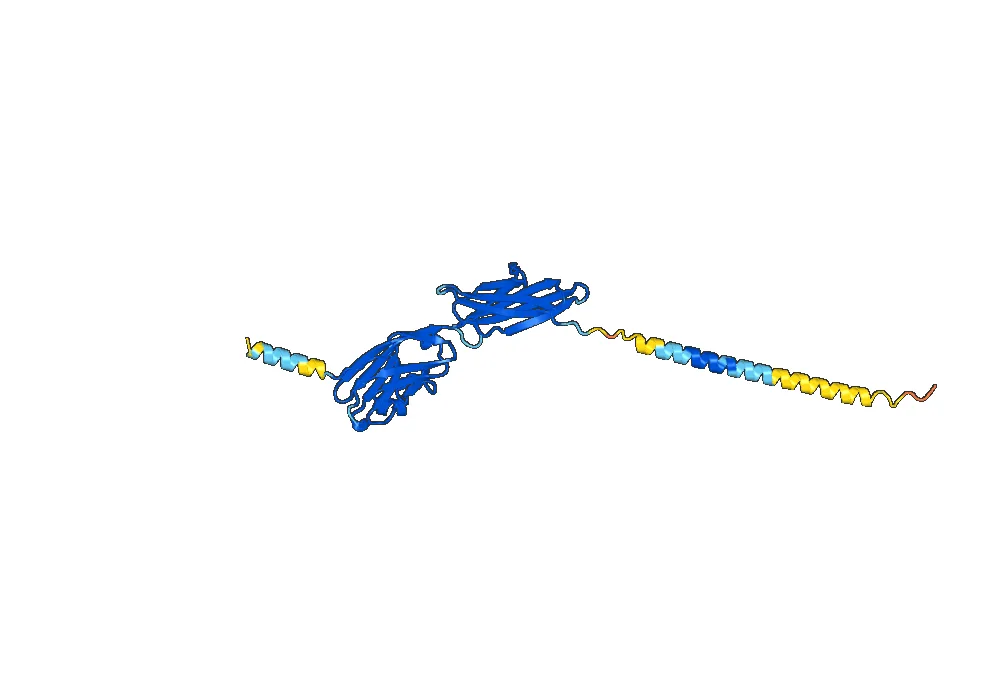
Ipafricept Biosimilar is a fusion protein that consists of the extracellular domain of the human frizzled-8 receptor (FZD8), fused to the Fc region of human immunoglobulin G1 (IgG1). The FZD8 domain is responsible for binding to the Wnt ligands, while the Fc region provides stability and half-life to the protein. The FZD8 domain is made up of 186 amino acids and has a molecular weight of approximately 21 kDa, while the Fc region has a molecular weight of 50 kDa. The overall molecular weight of Ipafricept Biosimilar is approximately 71 kDa.
Activity of Ipafricept Biosimilar
The Wnt signaling pathway plays a crucial role in various cellular processes, including cell proliferation, differentiation, and migration. Dysregulation of this pathway has been linked to the development and progression of various diseases, including cancer, fibrosis, and osteoporosis. Ipafricept Biosimilar acts as a decoy receptor for the Wnt ligands, thereby inhibiting the binding of Wnt ligands to their endogenous receptors. This results in the downregulation of the Wnt signaling pathway, leading to the inhibition of cell proliferation and migration, and induction of apoptosis in cancer cells. In addition, Ipafricept Biosimilar has also been shown to inhibit the activation of fibroblasts, which play a crucial role in the development of fibrosis. Furthermore, Ipafricept Biosimilar has been reported to promote bone formation and inhibit bone resorption, making it a potential therapeutic agent for osteoporosis.
Applications of Ipafricept Biosimilar
Ipafricept Biosimilar has shown promising results in preclinical studies and is currently being evaluated in clinical trials for the treatment of various diseases. Some of the potential applications of Ipafricept Biosimilar are discussed below.
1.
Cancer: The dysregulation of the Wnt signaling pathway has been implicated in the development and progression of various types of cancer. Ipafricept Biosimilar has shown promising results in preclinical studies as a potential therapeutic agent for various types of cancer, including colorectal, breast, and lung cancer. It has been reported to inhibit tumor growth and induce apoptosis in cancer cells. In addition, Ipafricept Biosimilar has also been shown to sensitize cancer cells to chemotherapy, making it a potential combination therapy for cancer treatment.
2. Fibrosis: Fibrosis is a pathological condition characterized by excessive deposition of extracellular matrix proteins, leading to tissue scarring and organ dysfunction. The Wnt signaling pathway has been reported to play a crucial role in the development of fibrosis. Ipafricept Biosimilar has been shown to inhibit the activation of fibroblasts and reduce the deposition of extracellular matrix proteins, making it a potential therapeutic agent for fibrotic diseases, such as idiopathic pulmonary fibrosis and liver fibrosis.
3. Osteoporosis: Osteoporosis is a common bone disorder characterized by decreased bone mass and increased risk of fractures. The Wnt signaling pathway has been shown to play a crucial role in bone metabolism. Ipafricept Biosimilar has been reported to promote bone formation and inhibit bone resorption, making it a potential therapeutic agent for the treatment of osteoporosis.
Conclusion
In conclusion, Ipafricept Biosimilar is a novel anti-Wnt fusion protein that has shown promising results in preclinical studies as a potential therapeutic agent for various diseases. Its unique structure, which mimics the endogenous protein Ipafrice
There are no reviews yet.