Introduction to ICM3 Biosimilar – Anti-CD14, ICAM3 mAb
ICM3 Biosimilar – Anti-CD14, ICAM3 mAb is a novel biosimilar antibody that has been developed for targeting CD14 and ICAM3, two important therapeutic targets in the field of immunology. This biosimilar is a monoclonal antibody (mAb) that is highly specific and has shown promising results in pre-clinical studies. In this article, we will discuss the structure, activity, and potential applications of ICM3 Biosimilar – Anti-CD14, ICAM3 mAb.
Structure of ICM3 Biosimilar – Anti-CD14, ICAM3 mAb
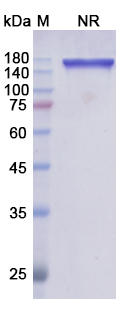
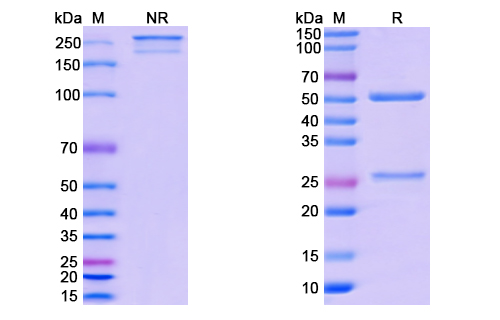
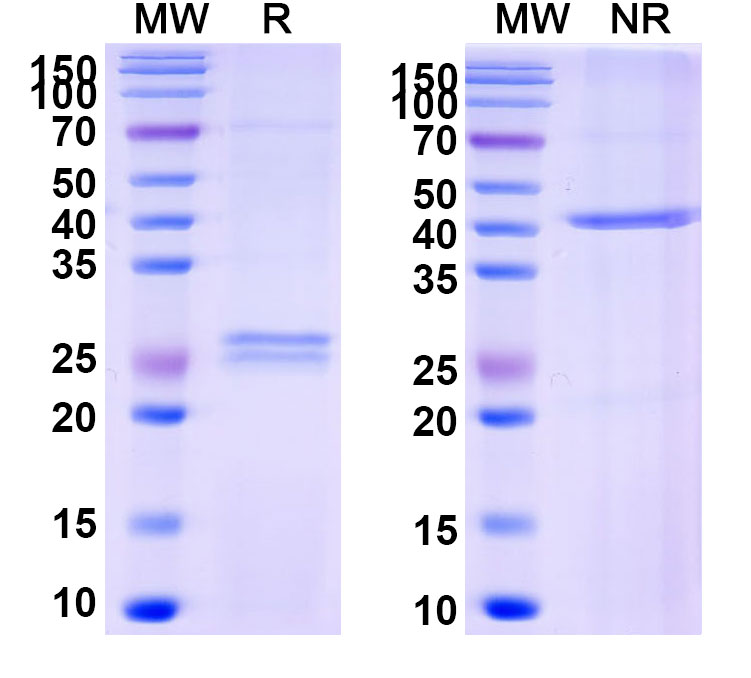
ICM3 Biosimilar – Anti-CD14, ICAM3 mAb is a recombinant humanized monoclonal antibody that is produced using advanced genetic engineering techniques. The antibody is composed of two heavy chains and two light chains, which are connected by disulfide bonds. The heavy chains consist of constant and variable regions, while the light chains only have variable regions. The variable regions are responsible for binding to the target molecules, CD14 and ICAM3.
Activity of ICM3 Biosimilar – Anti-CD14, ICAM3 mAb
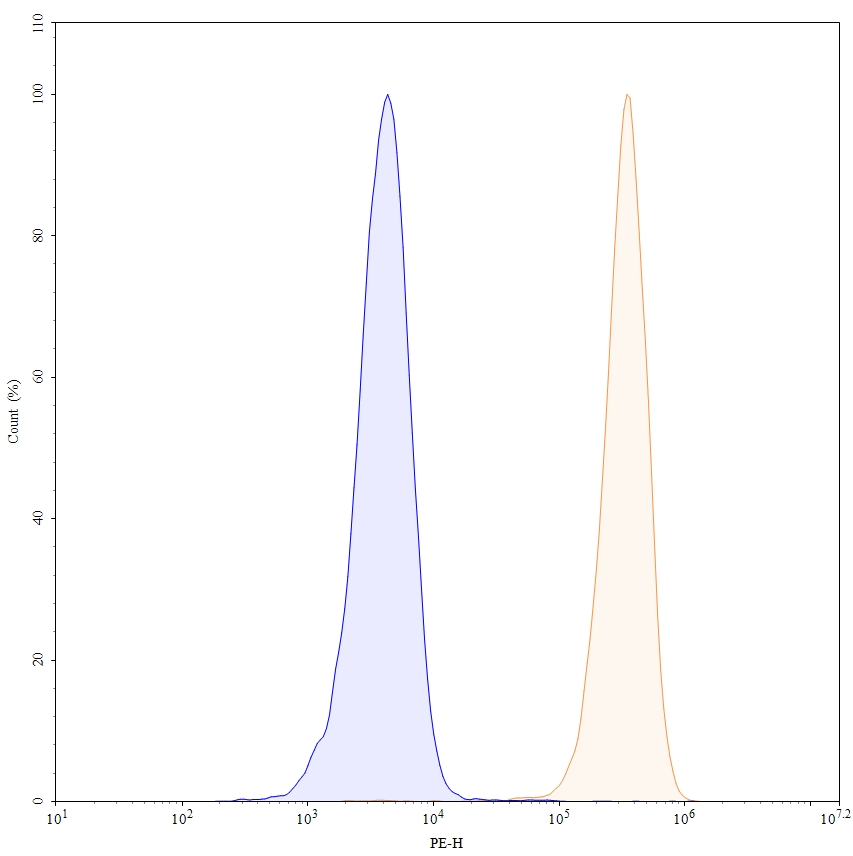
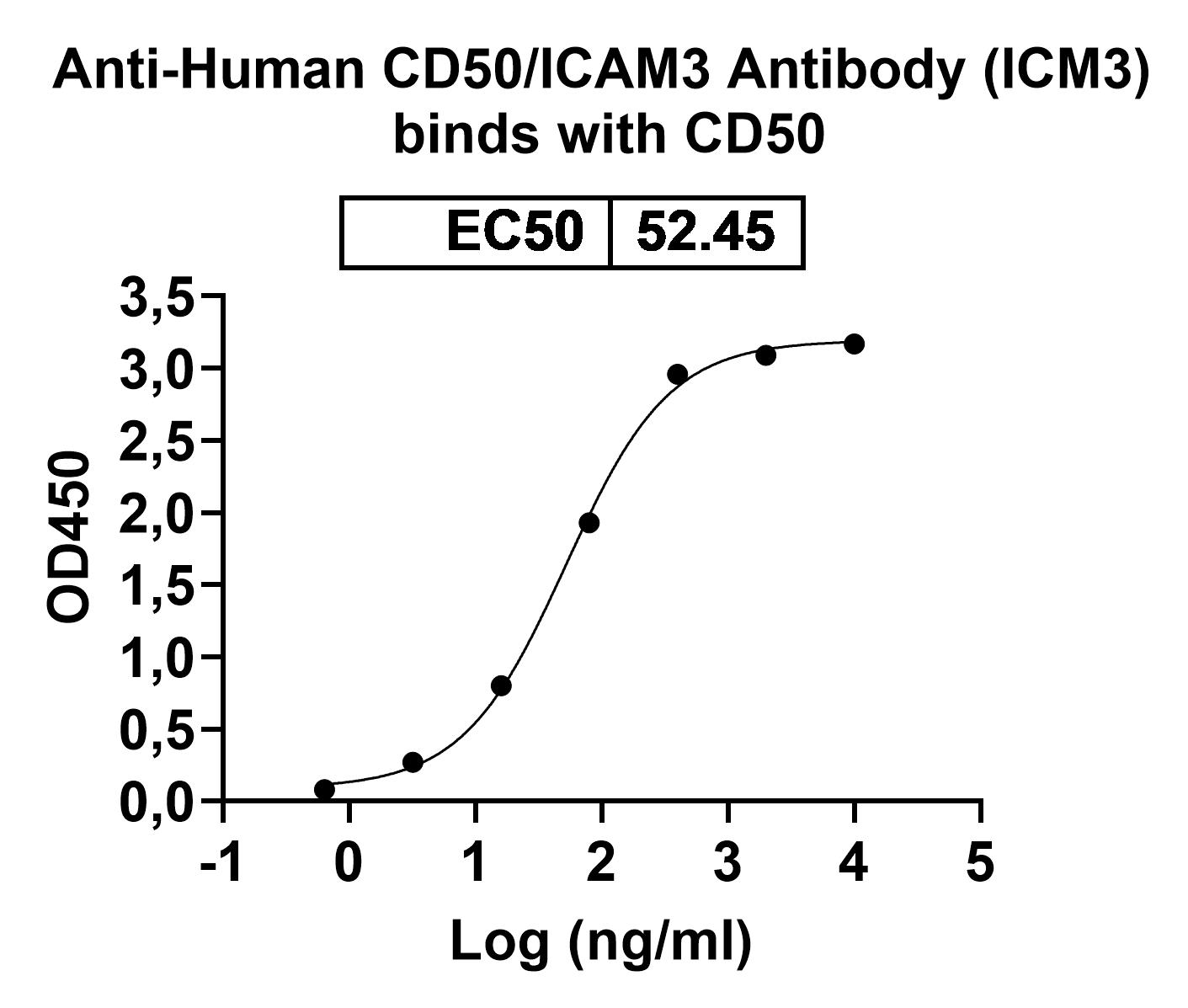
ICM3 Biosimilar – Anti-CD14, ICAM3 mAb has shown potent activity against its two target molecules, CD14 and ICAM3. CD14 is a glycoprotein that is found on the surface of immune cells and is involved in the recognition of bacterial lipopolysaccharides, a major component of the outer membrane of gram-negative bacteria. By targeting CD14, ICM3 Biosimilar – Anti-CD14, ICAM3 mAb can prevent the activation of immune cells and reduce the inflammatory response.
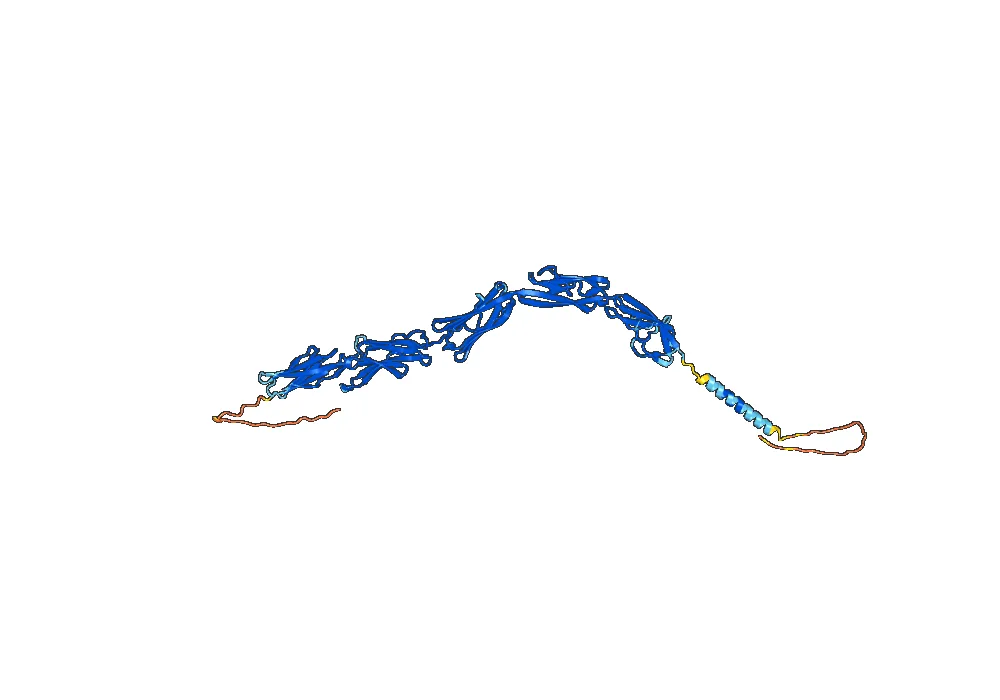
ICAM3, on the other hand, is a cell adhesion molecule that is expressed on the surface of immune cells. It plays a crucial role in the recruitment of immune cells to sites of inflammation. By binding to ICAM3, ICM3 Biosimilar – Anti-CD14, ICAM3 mAb can inhibit the adhesion and migration of immune cells, thereby reducing the inflammatory response.
Title: Potential Applications of ICM3 Biosimilar – Anti-CD14, ICAM3 mAb
Based on its activity against CD14 and ICAM3, ICM3 Biosimilar – Anti-CD14, ICAM3 mAb has potential applications in various inflammatory diseases. It can be used for the treatment of sepsis, a life-threatening condition caused by a dysregulated immune response to infection. By targeting CD14, ICM3 Biosimilar – Anti-CD14, ICAM3 mAb can prevent the overactivation of immune cells and reduce the severity of sepsis.
ICM3 Biosimilar – Anti-CD14, ICAM3 mAb can also be used for the treatment of autoimmune diseases such as rheumatoid arthritis and multiple sclerosis. By inhibiting the adhesion and migration of immune cells, the antibody can reduce the inflammation and tissue damage associated with these diseases.
Furthermore, ICM3 Biosimilar – Anti-CD14, ICAM3 mAb has potential applications in organ transplantation. During transplantation, the body’s immune system recognizes the transplanted organ as foreign and mounts an immune response, leading to rejection. By targeting CD14 and ICAM3, ICM3 Biosimilar – Anti-CD14, ICAM3 mAb can suppress the immune response and improve the success rate of organ transplantation.
Conclusion
In conclusion, ICM3 Biosimilar – Anti-CD14, ICAM3 mAb is a promising biosimilar antibody that targets CD14 and ICAM3, two important therapeutic targets in immunology. Its unique structure and potent activity make it a potential treatment option for various inflammatory diseases, autoimmune diseases, and organ transplantation. Further clinical studies are needed to fully evaluate the efficacy and safety of this biosimilar in human patients.
There are no reviews yet.