Introduction
Human CD52 HEK293T Stable Cell Line is a valuable tool for studying the structure, activity, and potential therapeutic applications of the human CD52 protein. This cell line is derived from the HEK293T cell line, which is a commonly used cell line in biomedical research due to its high transfection efficiency and ability to express exogenous genes. The stable expression of CD52 in these cells allows for the study of this protein in a controlled and consistent manner.
Structure of Human CD52
CD52 is a glycosylphosphatidylinositol (GPI)-anchored protein that is highly expressed on the surface of human lymphocytes. It is a small protein consisting of 12 amino acids and has a molecular weight of approximately 7 kDa. The protein contains a single N-linked glycosylation site and is anchored to the cell membrane by a GPI anchor. The structure of CD52 is highly conserved among different species, with human and mouse CD52 sharing 78% amino acid sequence identity.
Activity of CD52
CD52 is primarily known for its role in immune regulation. It is expressed on the surface of T and B lymphocytes, natural killer cells, and monocytes, and is involved in the regulation of these immune cells. CD52 has been shown to inhibit T cell proliferation and cytokine production, and also plays a role in the induction of regulatory T cells. Additionally, CD52 has been implicated in the regulation of B cell activation and differentiation. These activities make CD52 an important target for research in the fields of immunology and autoimmunity.
Application of Human CD52 HEK293T Stable Cell Line
The stable expression of CD52 in HEK293T cells allows for the production of a consistent and reliable source of this protein for research purposes. This cell line can be used in a variety of applications, including flow cytometry, protein purification, and functional studies.
Flow Cytometry
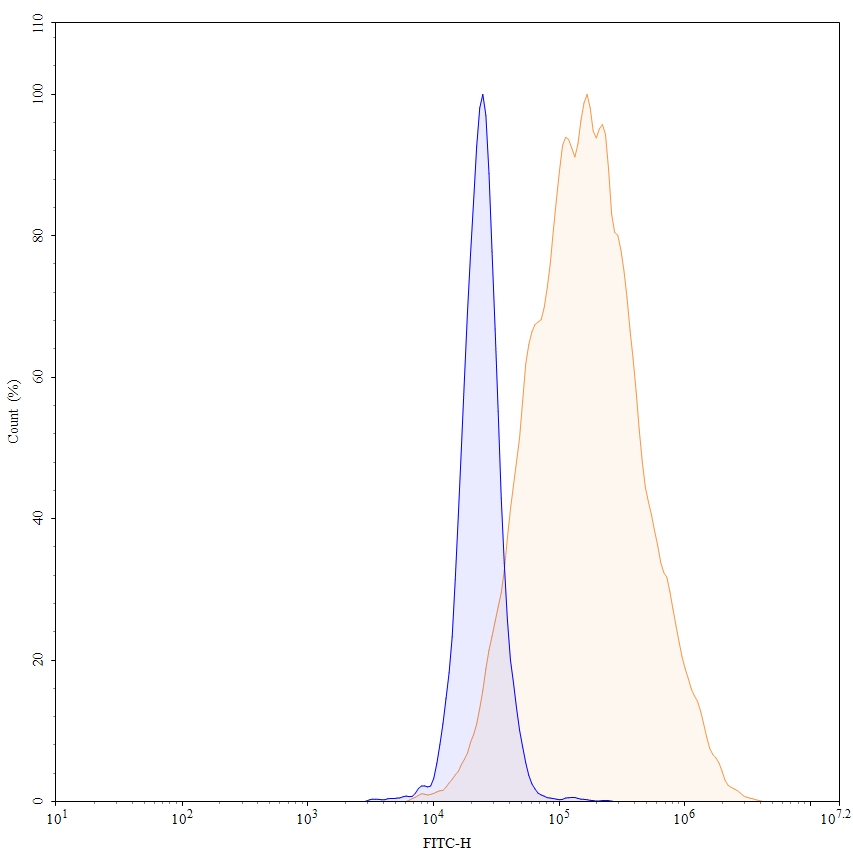
Flow cytometry is a powerful technique that allows for the analysis of individual cells based on their physical and chemical characteristics. The expression of CD52 on the surface of HEK293T cells can be detected using specific antibodies and flow cytometry, providing a quantitative measurement of CD52 expression levels. This allows for the study of CD52 expression in different cell types and under different experimental conditions.
Protein Purification
The stable expression of CD52 in HEK293T cells also allows for the purification of this protein for further study. The cells can be lysed and the CD52 protein can be purified using affinity chromatography, such as using an anti-CD52 antibody column. This purified protein can then be used for downstream applications, such as structural studies or functional assays.
Functional Studies
The stable expression of CD52 in HEK293T cells also allows for the study of the functional role of this protein. The cells can be genetically modified to overexpress or knockdown CD52, and the effects on immune cell activity can be studied. This can provide valuable insights into the role of CD52 in immune regulation and its potential as a therapeutic target.
Therapeutic Target Potential
Given the important role of CD52 in immune regulation, it has been identified as a potential therapeutic target for various diseases. For example, CD52 has been implicated in the pathogenesis of multiple sclerosis, and monoclonal antibodies targeting CD52 have been approved for the treatment of this disease. The use of the Human CD52 HEK293T Stable Cell Line can aid in the development and testing of new therapies targeting CD52 for various immune-related disorders.
Conclusion
In summary, the Human CD52 HEK293T Stable Cell Line provides a valuable tool for studying the structure, activity, and potential therapeutic applications of the human CD52 protein. Its stable expression in HEK293T cells allows for the production of a consistent and reliable source of CD52 for research purposes.


There are no reviews yet.