Introduction:
Huj591-Gsmab Biosimilar is a novel monoclonal antibody (mAb) that targets the prostate-specific membrane antigen (PSMA), also known as FOLH1. This biosimilar is a promising therapeutic option for the treatment of prostate cancer, as well as other PSMA-expressing malignancies. In this article, we will explore the structure, activity, and potential applications of Huj591-Gsmab Biosimilar in the field of cancer research.
Structure:
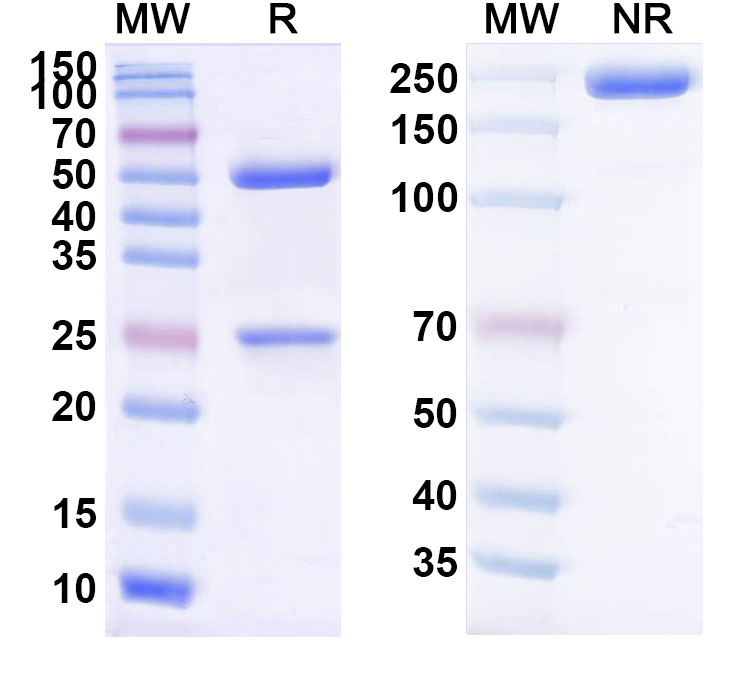
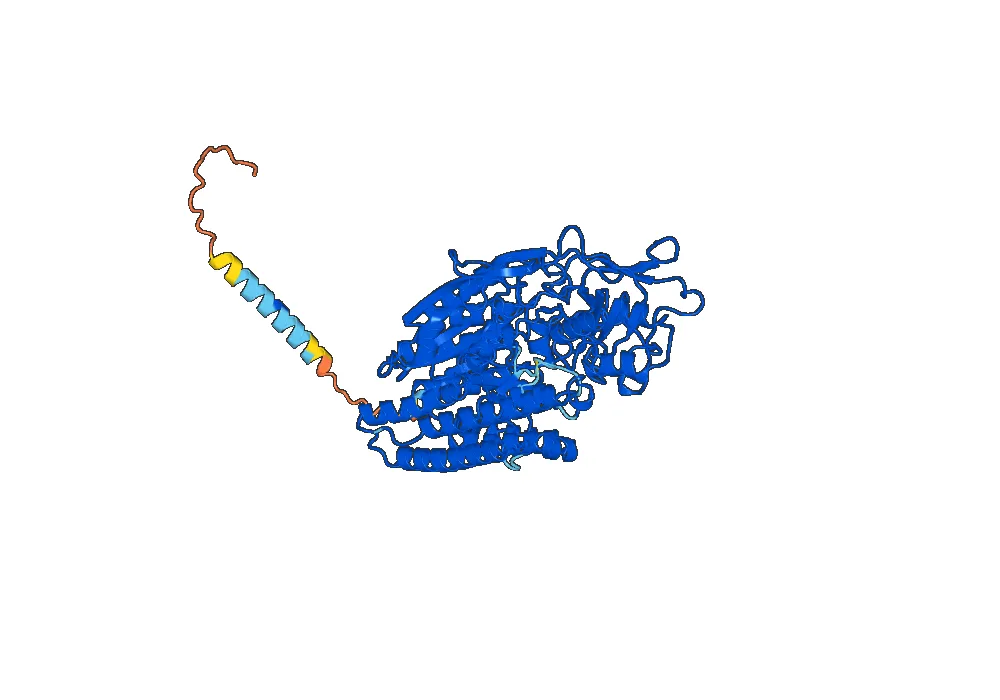
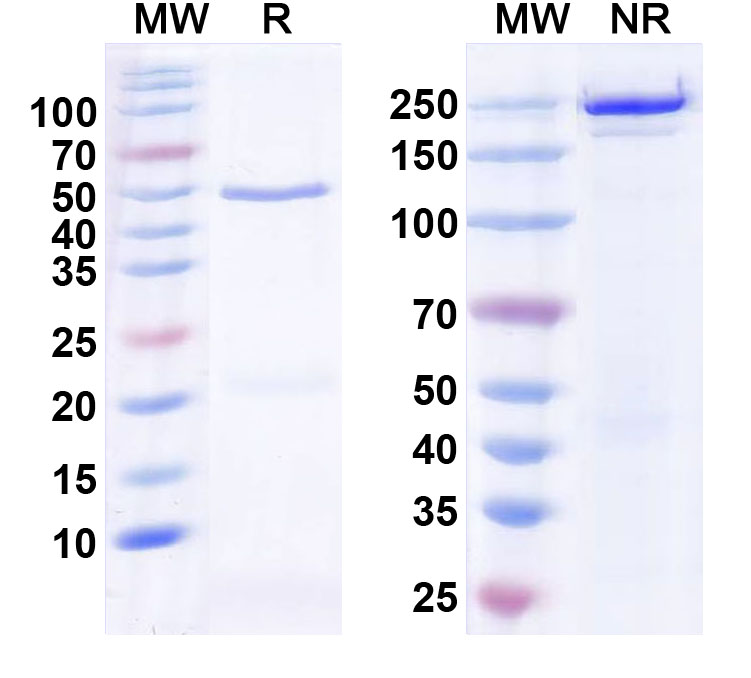
Huj591-Gsmab Biosimilar is a chimeric mAb, meaning it is composed of both human and mouse components. The antibody is composed of two heavy chains and two light chains, each with a variable region that specifically binds to PSMA. The constant regions of the antibody are derived from human IgG1, which provides stability and allows for interaction with immune cells. The variable regions, on the other hand, are derived from mouse IgG, which provides high affinity and specificity for PSMA.
Activity:
Huj591-Gsmab Biosimilar works by binding to the PSMA protein, which is highly expressed on the surface of prostate cancer cells. This binding triggers a series of events that ultimately leads to the destruction of the cancer cells. The antibody can also recruit immune cells, such as natural killer cells and macrophages, to attack the cancer cells. This mechanism of action makes Huj591-Gsmab Biosimilar a potent therapeutic agent for the treatment of PSMA-expressing cancers.
Application:
Huj591-Gsmab Biosimilar has shown promising results in preclinical studies for the treatment of prostate cancer. In a mouse model of prostate cancer, treatment with Huj591-Gsmab Biosimilar resulted in a significant reduction in tumor growth and prolonged survival. The biosimilar has also shown efficacy in combination with other standard treatments, such as chemotherapy and radiation therapy.
In addition to prostate
cancer, Huj591-Gsmab Biosimilar has potential applications in other PSMA-expressing malignancies, such as ovarian, bladder, and renal cell cancers. These cancers have limited treatment options and high mortality rates, making Huj591-Gsmab Biosimilar a valuable addition to the current treatment armamentarium.
Research Grade:
Huj591-Gsmab Biosimilar is currently in the research grade stage, meaning it is being studied in preclinical and early clinical trials. This stage is crucial for establishing the safety and efficacy of the biosimilar before it can be approved for use in patients. The biosimilar is being developed by a team of scientists and researchers who are dedicated to advancing cancer treatment options.
Conclusion:
In summary, Huj591-Gsmab Biosimilar is a promising therapeutic option for the treatment of PSMA-expressing cancers. Its unique structure and mechanism of action make it a potent and targeted treatment for prostate cancer and other malignancies. As it progresses through the research grade stage, Huj591-Gsmab Biosimilar has the potential to significantly improve patient outcomes and contribute to the fight against cancer.

There are no reviews yet.